


Egyptian President El-Sisi Urges Tech Transfer Across Africa
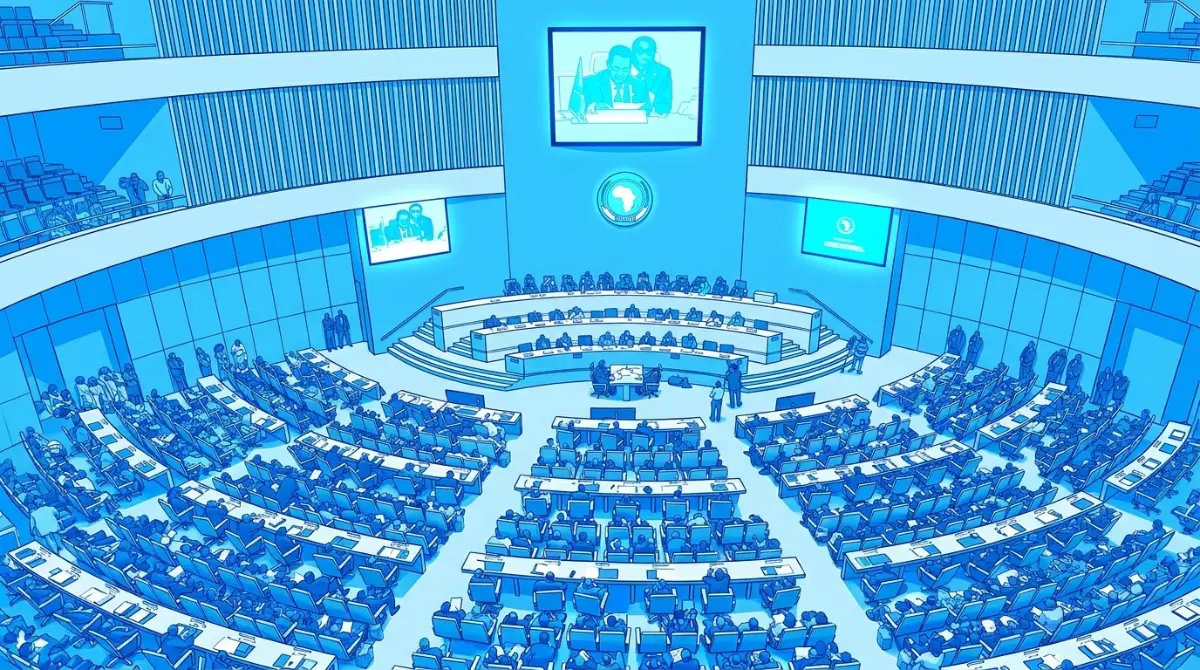
During a high-level regional forum, the Egyptian leader called for multinational technology companies to localize their industries and transfer vital technical knowledge directly into domestic African markets to accelerate economic integration.
Inioluwa Ademidun | 4 Oct. 2026 · 4 min read

African leaders are increasingly demanding that foreign corporations do more than just sell software and hardware to domestic consumers. During a recent high-level business summit, Egyptian President Abdel Fattah El-Sisi delivered a direct appeal to multinational investors, urging them to actively transfer technological expertise into regional markets. The president argued that true economic stability requires localizing production and building domestic engineering capabilities rather than relying exclusively on imported digital solutions.
The push for technological independence is becoming a central requirement for regional governments. El-Sisi stressed that foreign companies operating within the continent must contribute to major infrastructure projects and share their intellectual property with local partners. This collaborative approach allows domestic developers to build upon existing software architectures, reducing the total cost of deployment for critical digital services. We tracked a similar demand for regional tech ownership when regional leaders implemented strict data protection policies to secure digital independence.
Accelerating the African Continental Free Trade Area stands as a major priority for the Egyptian government. The president noted that establishing a unified regional market requires reliable digital supply chains and shared communication standards. If domestic businesses cannot easily process cross-border payments or track regional shipping logistics using modern software, the entire free trade initiative stalls. Upgrading these systems requires heavy financial backing from international venture capital groups and specialized hardware manufacturers.
Reforming Financial Structures
Building the required digital infrastructure is highly expensive, and El-Sisi used the forum to address the severe economic hurdles blocking this progress. He pointed out that African nations currently face unfair international financing conditions, including aggressive borrowing terms and massive debt-servicing costs. The president called for an immediate reform of the global financial architecture to provide affordable funding mechanisms for regional technology initiatives.
The current financial structure forces developing nations to spend their limited budgets paying high interest rates rather than investing in high-speed broadband networks or regional server farms. Securing affordable capital is necessary to deploy modern telecommunications equipment. The sheer scale of required investment is massive, a reality confirmed when Airtel Africa announced an $11B investment for network expansion to satisfy growing internet usage.
Localizing the Manufacturing Process
Beyond software development, the call for technology transfer extends deeply into physical manufacturing. The Egyptian leader wants foreign companies to build their assembly plants and fabrication facilities directly inside African borders. Producing smartphones, solar panels, and server racks locally creates high-paying engineering jobs and drastically reduces import tariffs. The region currently imports nearly all its complex electronics, which drains foreign currency reserves and weakens domestic economies.
Attracting these manufacturing facilities requires stable electricity grids and reliable supply chains. Several African nations are aggressively building the necessary power infrastructure to support these high-tech factories. We observed this exact commitment to physical power expansion when the continent installed a record number of daily solar panels to modernize local energy access. When factories possess guaranteed power, foreign hardware manufacturers are much more willing to build local assembly lines.
Climate Technology and Carbon Rules
The forum discussions also highlighted the heavy burden of environmental compliance. El-Sisi noted that African nations are suffering from a severe climate crisis they did not create. Despite producing a tiny fraction of global emissions, regional businesses frequently face strict international carbon taxes that limit their ability to scale industrial operations. The president requested specific exemptions related to carbon taxes for developing markets, allowing them to industrialize without facing immediate financial penalties.
Transferring green technology into the region offers a practical solution to this environmental tension. If foreign companies share their most efficient solar battery designs and smart grid management software, African cities can leapfrog older, dirtier industrial methods. The demand for localized green technology solutions is climbing rapidly. We noted this exact sector growth when Flowt secured early funding to support climate-focused businesses across the region.
As the summit concluded, the message to international investors was incredibly clear. The continent is open for business, but the terms of engagement are shifting. African governments expect foreign partners to leave behind actual technical skills and manufacturing capacity. The era of simply extracting raw materials or viewing the region strictly as a consumer market is ending. The next phase of regional growth relies entirely on building a self-sufficient domestic technology sector.
Read More on TechRobust:

Inioluwa Ademidun
 LinkedIn
Inioluwa Ademidun
Expertise:African Tech Ecosystem, Early-Stage Startups, Emerging Market Dynamics, Venture Capital & Tech Reporting, Product Management
Award:TechRobust Contributor of the Year 2025
Inioluwa is a Senior Product Manager by day and an investigative technology reporter by night, bridging the gap between scalable software architecture and high-impact journalism. She delivers deep-dive analysis on venture-backed founders, regulatory shifts, and grassroots tech ecosystems across Africa and global emerging markets.