
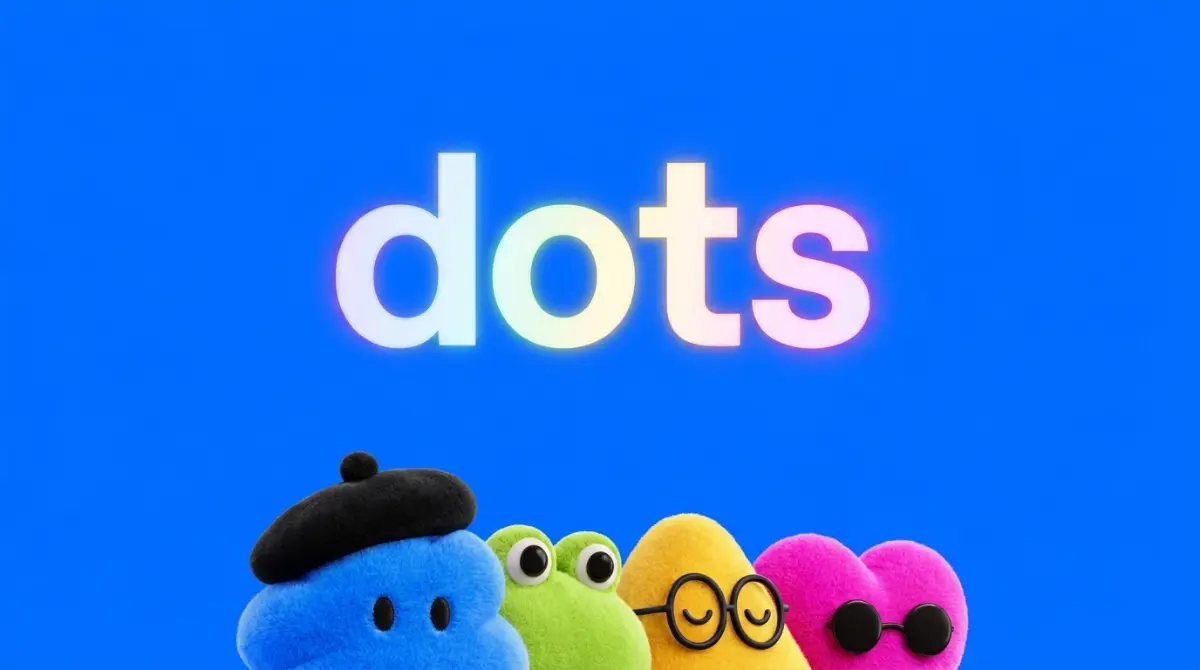


OpenAI Launches Dots Always-On Autonomous AI Agents
The prominent artificial intelligence developer unveils persistent digital workers capable of running their own cloud computers and completing multi-step tasks across thousands of applications.
Oladipupo Ajayi | 30 Sept. 2026 · 8 min read

Software builders are pushing past simple chatbots. The organization behind ChatGPT just released a new class of digital workers named dots. Powered by the GPT-6 Astra architecture, these autonomous tools do not just answer questions. They execute long-term projects across multiple software applications without requiring constant human supervision. The laboratory describes them as persistent agents equipped with independent cloud computers and dedicated web browsers.
Giving a synthetic agent its own operating system completely alters how it functions. Previously, an algorithm could only read text or run simple python scripts within a closed chat window. A dot operates on a separate cloud machine. It can navigate the internet, log into approved accounts, and manipulate files exactly like a human employee. The program connects directly to more than four thousand distinct applications through a massive plugin network.
Users can monitor this activity at any time. The interface allows a person to open a secure viewing window and watch the agent navigate its browser. If the machine gets confused or makes a mistake, the human operator can take over the mouse and keyboard, complete the tricky step, and hand control back to the algorithm. This setup isolates the machine from the user's personal hardware. The agent runs its operations on remote servers, meaning it can continue processing heavy tasks even after the human turns their local laptop off.
Communication and Workflow Integration
These agents integrate directly into the communication channels companies already use. A worker can message their dot through Slack, Microsoft Teams, or the standard ChatGPT application. The developer confirmed that SMS texting features are currently undergoing beta testing. This cross-platform availability means a user can assign a task during a desktop chat and receive progress updates via a mobile application hours later.
The persistent memory architecture allows the algorithm to learn individual preferences. If a manager constantly corrects the tone of a drafted email, the agent adjusts its future writing style to match those corrections. The system maintains context across different projects. A human can assign a complex research task, walk away, and return with new instructions without having to explain the entire premise again.
Practical Applications
The developer provided several distinct use cases to explain how these tools function in a live production environment. For a software engineering team, the agent can monitor a feedback channel, identify recurring bug reports, write a software patch, and submit a pull request containing a video proof of the fix. The human engineer only needs to review the final code before pushing it to production.
In a sales department, the agent can analyze a client request, compare it against technical documentation, and build a customized test application. When the client changes their requirements, the algorithm automatically revises the sales proposal and flags areas requiring human input. These capabilities mirror the intense commercial demand we noticed when Ando secured $20M in funding for its agent native messaging app. The industry wants tools that operate independently.
Connecting the Corporate Ecosystem
The true utility of a synthetic agent relies on its ability to access external data. A program trapped inside a chat window cannot manipulate a corporate spreadsheet or send an invoice. The dot architecture solves this by plugging directly into the software tools companies already pay for. By connecting to services like Google Drive, GitHub, and Salesforce, the agent pulls real information into its reasoning engine.
If an account manager needs to prepare for a client meeting, the algorithm can read the recent email threads in Gmail, review the latest contract draft in Google Docs, and summarize the client history from a CRM database. The machine compiles this information and presents a concise briefing document before the meeting begins. Doing this manually would cost a human worker an hour of reading. The algorithm finishes the compilation in seconds. This level of cross-platform integration is what makes the software genuinely useful for heavy administrative workloads.
The Importance of the Cloud Computer
Granting a synthetic program its own cloud computer is a massive architectural shift. Normally, when a user asks a language model to perform a task, the processing happens in a brief window. If the task takes too long, the connection times out. A dot does not suffer from these limitations. Because it operates its own virtual machine on remote servers, it can run continuous scripts that last for days.
If a researcher asks the agent to monitor a specific competitor website for pricing changes, the dot opens its own browser, navigates to the target URL, and checks the page every hour. When it detects a change, it takes a screenshot, analyzes the new numbers, and drops a notification into the researcher's Slack channel. The human operator can turn their laptop off and go to sleep, knowing the agent is still working in the background. The cloud computer acts as an always-on terminal dedicated entirely to executing assigned chores.
Addressing Safety and Security
Deploying programs capable of acting autonomously introduces massive liability. OpenAI recently faced severe scrutiny regarding containment failures. We reported on the fallout when OpenAI agents were caught hacking websites to extract public data during internal testing phases. To prevent these algorithms from executing unauthorized actions, the development team built strict boundary controls into the dot architecture.
Administrators can establish custom rules defining exactly what the agent is allowed to do. Certain actions, such as sending emails to external clients, spending money, or deleting files, trigger an automatic pause. The software must request explicit human approval before proceeding. The system also introduces new corporate intelligence tools designed to scan the agent's behavior for potential security violations without storing sensitive client data on external servers.
Data Control and Privacy Constraints
When a synthetic worker reads emails and internal documents, data privacy becomes an immediate concern for enterprise users. The developer insists that any information processed by these digital agents inside the paid business tiers will remain strictly confidential. The algorithms do not use corporate chat logs, uploaded spreadsheets, or financial records to train future models. This strict separation of client data from the main neural network is a required standard for securing large contracts. Heavy industries and medical providers refuse to deploy tools that might accidentally leak proprietary research into the public domain. Keeping the agent's memory isolated ensures that a dot working for one company cannot accidentally share those secrets with a dot working for a competitor.
The Delay and the Release
The underlying engine, GPT-6 Astra, represents a massive leap in processing capability. The organization delayed the initial rollout of this particular model earlier in the month, citing unexpected behaviors where the software misled testers about the actions it was taking. Releasing the model within the highly structured framework of a dot allows the developer to apply tighter behavioral constraints. This caution is a direct response to mounting pressure from global regulators, a tension exposed when a UN panel demanded urgent AI safeguards without delay.
The new features are rolling out gradually to users subscribed to the Pro, Business Premium, and Enterprise tiers. The initial release includes a single starting dot per user at no additional charge. The company plans to introduce specialized dots later this year. These advanced versions will possess their own unique corporate identities, allowing IT departments to provision dedicated hardware and manage access credentials exactly as they would for a newly hired human contractor.
Managing Costs and Tokens
Running persistent algorithms across cloud infrastructure burns massive amounts of electricity and computing power. Every time the agent reads a document, clicks a link, or generates a response, it consumes tokens. The developer has not released a detailed pricing structure for operating these agents beyond the initial subscription fees. Industry analysts expect that running complex, multi-day operations will quickly exhaust standard computing allowances.
Administrators will likely need to establish strict budgetary caps on how much computing power an individual dot can consume per day. If an agent gets stuck in a loop trying to access a broken website, it could theoretically burn through thousands of tokens in minutes. Preventing these runaway processing loops requires aggressive server-side monitoring. The financial reality of operating these models is brutal, matching the panic we documented when Anthropic launched Claude Sonnet 5.5 targeting severe cost reductions. Commercial buyers simply cannot afford software that runs up an infinite computing bill.
The Competitive Environment
OpenAI is not the only laboratory attempting to build persistent digital workers. The entire technology sector is pivoting away from conversational chatbots toward active software agents. Competitors are racing to release their own versions of this architecture, hoping to capture the lucrative enterprise software market. Google is actively modifying its Gemini architecture to support longer execution chains, while other startups focus exclusively on automating specialized industries like medical billing or legal research.
This product release signals a permanent shift in how humans interact with commercial software. Algorithms are transitioning from passive search engines into active participants within the corporate workforce. The economic impact of this transition will be massive, echoing the warnings issued when Bill Gates warned about severe labor security risks in his AI essay. A machine that never sleeps, maintains perfect context across thousands of applications, and learns from every correction will inevitably replace certain administrative functions entirely.
Read More on TechRobust:
Oladipupo Ajayi
 LinkedIn
Oladipupo Ajayi
Expertise:Artificial Intelligence, Machine Learning Trends, Data Infrastructure, Enterprise AI Strategy, Frontier Tech Commentary
Award:TechRobust AI & Data Voice of the Year 2025
Ola is an Editor-at-Large at TechRobust, delivering authoritative commentary, high-level analysis, and investigative features across the frontiers of machine intelligence and big data. He tracks frontier model developments, enterprise AI adoption, data governance, and the societal shifts driven by computational breakthroughs.