


Pennsylvania Coal Plants Become AI Compute Mega Centers
Western Pennsylvania is converting abandoned coal sites into massive natural gas computing facilities, trading legacy industrial pollution for the continuous electricity demands of modern artificial intelligence infrastructure.
Oladipupo Ajayi | 30 Sept. 2026 · 7 min read

The physical hunger of reasoning algorithms requires electricity on a scale that public utility grids cannot support. Software builders need gigawatts of power to train their latest models, but regional electrical systems are already operating near maximum capacity. Adding a massive cloud facility to an aging grid threatens to plunge nearby residential neighborhoods into darkness. To bypass this electrical bottleneck, hardware developers are hunting for stranded energy assets. They found their solution in the rusting steel of western Pennsylvania, where the technology sector is quietly purchasing massive, abandoned coal plants and turning them into dedicated compounds of silicon.
Two distinct infrastructure projects in the region highlight exactly how the modern computing industry plans to secure its own private electricity. The first project, managed by Aligned Data Centers, occupies the former Bruce Mansfield site in Shippingport. The second project targets the massive Homer City site. Both locations previously operated as some of the dirtiest coal generation stations in the country. Now, they are being stripped down and rebuilt to burn natural gas purely to keep computer processors running.
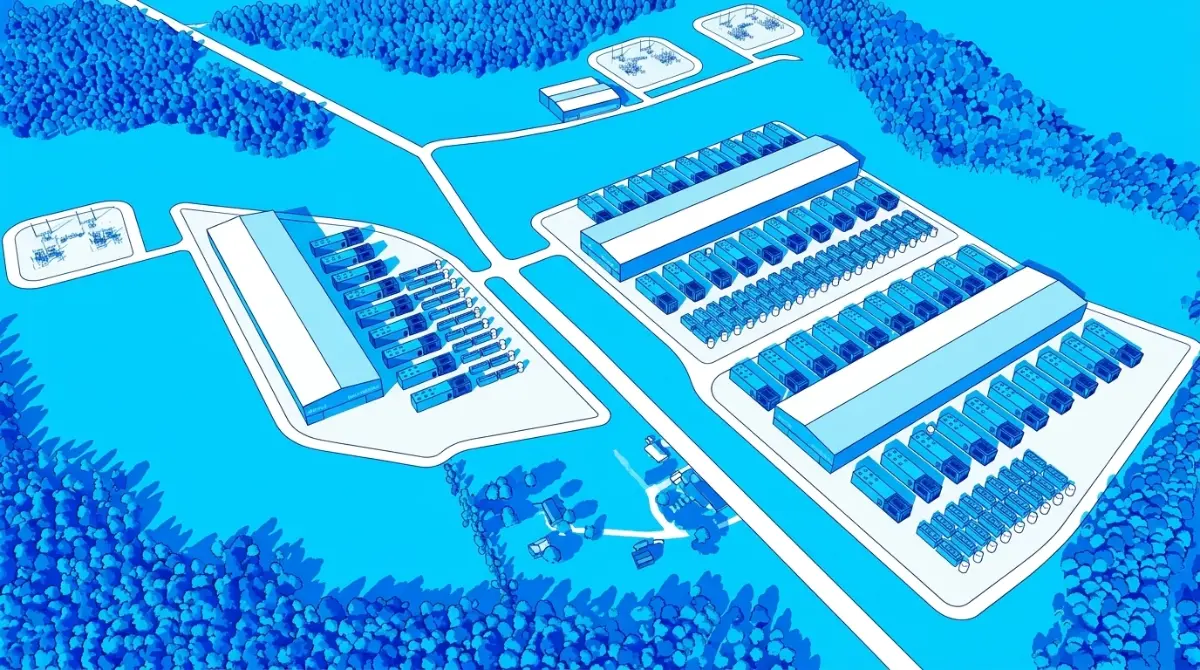
The Aligned development, internally named Project Phoenix, takes a highly unusual engineering approach. The company recently confirmed it will construct a 2-GW campus featuring three separate server facilities. Instead of asking the local utility to provide those two gigawatts, Aligned is building a massive behind-the-meter generation system. The campus will rely entirely on on-site natural gas fuel cells to generate its own electricity. By severing its reliance on the public grid, the facility guarantees its servers will never go offline during a regional brownout. This aggressive move toward independent power generation echoes the desperation we saw when human error threatened energy grids more than rogue AI.
The Physical Reality of Natural Gas
Generating two gigawatts of private electricity requires a massive, continuous fuel supply. The proof of this scale comes directly from the local pipeline operators. National Fuel Gas recently disclosed the construction of its Shippingport Lateral pipeline. This new 7.5-mile steel pipe will deliver exactly 205,000 dekatherms of natural gas per day directly to the new server campus. The pipeline operator confirmed the developer signed a long-term contract securing 100 percent of that capacity.
This is not a speculative request for future planning. The physical trenches are already dug, and the steel pipes are currently going into the ground. A single server farm is commanding enough continuous natural gas to heat a small city. This extreme fuel consumption forces a heavy geopolitical and moral conversation. Technology executives constantly preach about their commitments to carbon neutrality and green energy. Yet, when they need raw processing power immediately, they happily sign contracts that guarantee decades of fossil fuel consumption. The friction between environmental promises and processing demands is escalating, a reality detailed clearly when we warned that the data center backlash must become a climate reckoning.
The situation at the Homer City site follows a slightly different, but equally massive, trajectory. Once the largest coal-fired station in the state, the property is pivoting toward centralized natural gas generation to support a proposed Amazon Web Services campus. The financial incentives to convert these locations are overwhelming. The abandoned coal plants already possess heavy industrial zoning approvals, massive cooling water intakes, and high-voltage transmission lines connecting directly to the broader interstate network. Ripping down the old coal burners and replacing them with clean-burning gas turbines is the fastest way to bring new computation online.
Public Scarcity versus Private Power
PJM Interconnection, the regional transmission organization that coordinates the movement of wholesale electricity across Pennsylvania and twelve other states, currently faces an extreme shortage of available generation. The grid operator has repeatedly warned that the retirement of aging coal and nuclear plants is happening faster than new renewable energy sources can replace them. Adding hyperscale computing campuses to this fragile system threatens to trigger rolling blackouts during peak summer demand.
Because the public grid is so unstable, the developers backing Project Phoenix chose to generate their own power on-site. While this solves the immediate electricity shortage for the cloud provider, it does nothing to help the surrounding communities who rely on the struggling public transmission lines. The technology giants are building a private, flawless energy grid for their computers while leaving human taxpayers to deal with the aging public infrastructure. This stark division between private computing power and public electrical scarcity creates a severe political divide.
The Battle Over Freshwater Access
Beyond the staggering fuel consumption, generating electricity and cooling tens of thousands of graphics processors requires massive volumes of water. Advanced reasoning hardware runs extremely hot, and liquid cooling systems must circulate treated water constantly to prevent the silicon from melting. The proximity of the Bruce Mansfield and Homer City sites to the Ohio River and other major waterways made them perfect targets for data center developers. They can draw millions of gallons of fresh water daily, use it to cool their servers, and then discharge the heated water back into the local river basin.
Environmental groups argue that pumping superheated water back into local rivers will destroy aquatic habitats and trigger massive algae blooms. The technology firms counter these claims by promising closed-loop cooling systems, but the sheer scale of a two-gigawatt facility makes zero-impact cooling nearly impossible. The fight over freshwater access is rapidly becoming the next major hurdle for artificial intelligence expansion, mirroring the exact crisis we documented when water constraints threatened multi-billion AI server campuses out West.
Trading One Form of Pollution for Another
Local residents find themselves trapped in an uncomfortable economic trade. When the coal plants closed, the surrounding communities lost hundreds of stable, high-paying maintenance jobs. The technology developers arrived promising billion-dollar investments to revive the local tax base. The reality is that server facilities require very few permanent human workers once the construction phase ends. A facility that consumes two gigawatts of power might only employ fifty security guards and network technicians.
The community absorbs the environmental cost of burning natural gas and drawing massive amounts of water for cooling, but they do not receive the mass employment benefits that accompanied the old industrial era. The tension between local residents and technology giants is worsening globally, a pattern we exposed when examining how an Equinix Cape Town data center sparked an environmental protest. People are beginning to ask if draining their local aquifers to support an automated chatbot is a fair trade.
Federal regulators are closely monitoring these massive conversions. The government wants the technology sector to expand domestically, ensuring the United States maintains its dominance in reasoning software. To facilitate this expansion, federal agencies are quietly relaxing certain environmental restrictions on dedicated computing facilities. The political desire to beat foreign rivals in software development frequently overrides local environmental concerns. We reported on this regulatory leniency when the White House cleared data centers to pollute local air during emergency peak hours.
The Economics of Independent Infrastructure
Building a private power plant strictly to run a server farm radically alters the financial mathematics of the technology sector. The hardware vendors must purchase the physical graphics processors, construct the concrete warehouse, and now build an entire natural gas generation station just to turn the machines on. This pushes the total capital required to launch a new data center into the tens of billions of dollars.
Only the wealthiest corporations on Earth can afford to play this game. Startups attempting to build competing reasoning models will never possess the cash required to lay 7.5 miles of private gas pipeline. They must rent their computing time from the established giants who own the physical infrastructure. By securing these massive private energy assets, the largest cloud providers are building an impenetrable financial moat around their businesses. They control the servers, and more importantly, they control the private electricity required to run them.
The transition happening in Pennsylvania proves that the modern internet is not a weightless, invisible cloud. It is a heavy industrial machine that runs on steel pipes, massive water chillers, and millions of cubic feet of natural gas. As long as the demand for automated software continues to climb, the technology sector will continue hunting for abandoned industrial sites, ready to burn whatever fuel is necessary to keep the processors calculating.
Read More on TechRobust:

Oladipupo Ajayi
 LinkedIn
Oladipupo Ajayi
Expertise:Artificial Intelligence, Machine Learning Trends, Data Infrastructure, Enterprise AI Strategy, Frontier Tech Commentary
Award:TechRobust AI & Data Voice of the Year 2025
Ola is an Editor-at-Large at TechRobust, delivering authoritative commentary, high-level analysis, and investigative features across the frontiers of machine intelligence and big data. He tracks frontier model developments, enterprise AI adoption, data governance, and the societal shifts driven by computational breakthroughs.