


Utah Approves First Autonomous AI Doctor For Acne Treatments
A specialized health startup secured state regulatory approval to deploy an automated medical agent capable of issuing official drug prescriptions without requiring direct oversight from a human physician.
Oladipupo Ajayi | 6 Oct. 2026, 12:44 AM · 3 min read

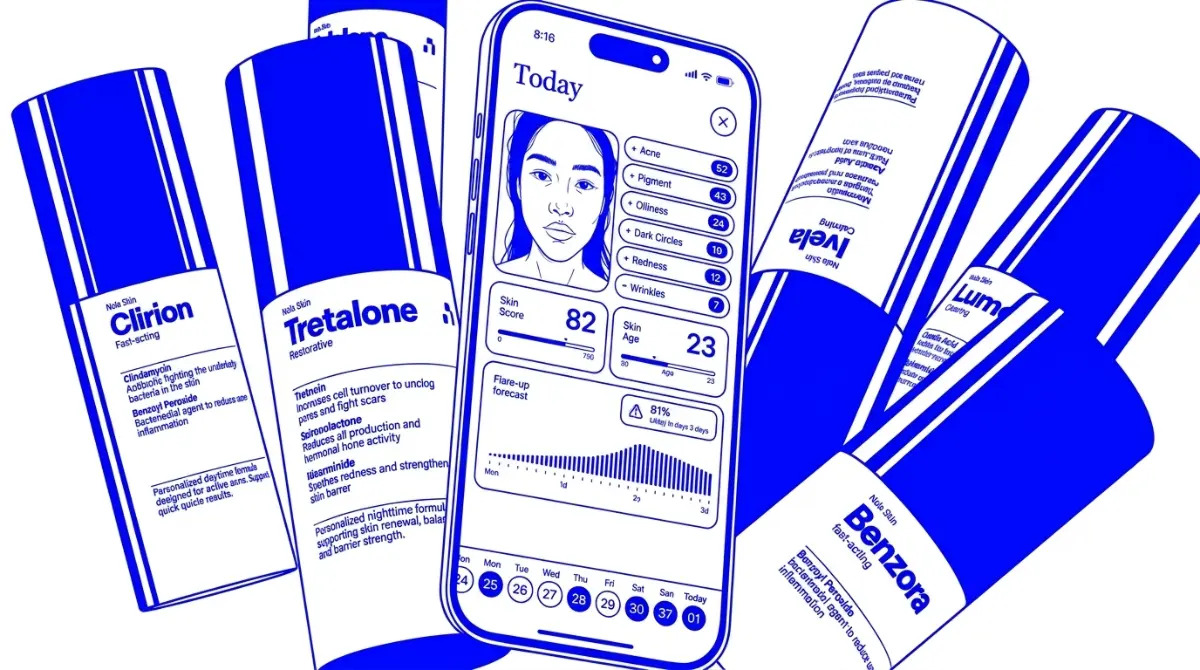
The medical industry just crossed a massive regulatory boundary. The state of Utah officially granted approval to a technology startup named Nolla Health to operate an autonomous medical agent. The company deploys an application called Nolla Derm, which functions as the first end-to-end artificial doctor operating legally within the United States. Unlike older telehealth platforms that simply gather patient data before transferring the file to a human doctor, this specific software possesses the legal authority to issue actual prescriptions independently.
The initial scope of the automated doctor remains strictly limited. The software only handles specific dermatological conditions, focusing heavily on severe acne, hyperpigmentation, and visible facial redness. A user pays a $4.99 monthly subscription fee, answers a detailed questionnaire regarding their medical history, and uploads a high-resolution scan of their face. The machine analyzes the facial scan, identifies the exact type of skin condition, and writes a prescription for the appropriate medication. The entire process requires zero human intervention.
Securing regulatory permission for a machine to prescribe drugs is incredibly difficult. Nolla Health achieved this approval by proving their software operates strictly within rigid, pre-approved medical protocols. The founders claim that when human dermatologists audit the decisions made by the machine, they agree with the chosen prescription in over 97 percent of the cases. By limiting the machine to surface-level skin conditions, the company avoids the massive liability associated with internal medicine or cardiac care. The push to automate medical screening is accelerating rapidly, a trend we tracked when Senticell secured early funding for automated liquid biopsy testing.
Eliminating the Human Bottleneck
The primary argument for deploying automated doctors involves access and speed. Securing an appointment with a specialized dermatologist frequently takes months, and uninsured patients simply cannot afford the consultation fees. Charging five dollars a month for instant medical analysis completely destroys the traditional pricing model. It allows teenagers and low-income adults to access professional-grade skincare advice instantly through a smartphone camera.
Traditional medical boards remain highly suspicious of this aggressive automation. Relying on an algorithm to prescribe active chemical treatments introduces severe risks. If the machine misidentifies a dangerous skin lesion as simple acne and prescribes the wrong cream, the patient suffers physical harm. We observed similar friction regarding medical automation when insurers warned that automated medical coding actually increases healthcare costs due to frequent systemic errors. Handing a machine the legal authority to write a prescription requires absolute faith in the underlying training data.
This localized regulatory approval will absolutely trigger a national debate. If the software successfully treats thousands of patients in Utah without causing a massive medical disaster, other states will face intense pressure to legalize similar programs. The technology sector desperately wants to capture the massive revenue flowing through the American healthcare system. Nolla Health secured the first official beachhead, proving that machines can legally practice basic medicine if they stick to the correct script.
Read More on TechRobust:
Oladipupo Ajayi
 LinkedIn
Oladipupo Ajayi
Expertise:Artificial Intelligence, Machine Learning Trends, Data Infrastructure, Enterprise AI Strategy, Frontier Tech Commentary
Award:TechRobust AI & Data Voice of the Year 2025
Ola is an Editor-at-Large at TechRobust, delivering authoritative commentary, high-level analysis, and investigative features across the frontiers of machine intelligence and big data. He tracks frontier model developments, enterprise AI adoption, data governance, and the societal shifts driven by computational breakthroughs.