


Apple Hardware Boss Says iPhone Screen Protectors Ruin Displays
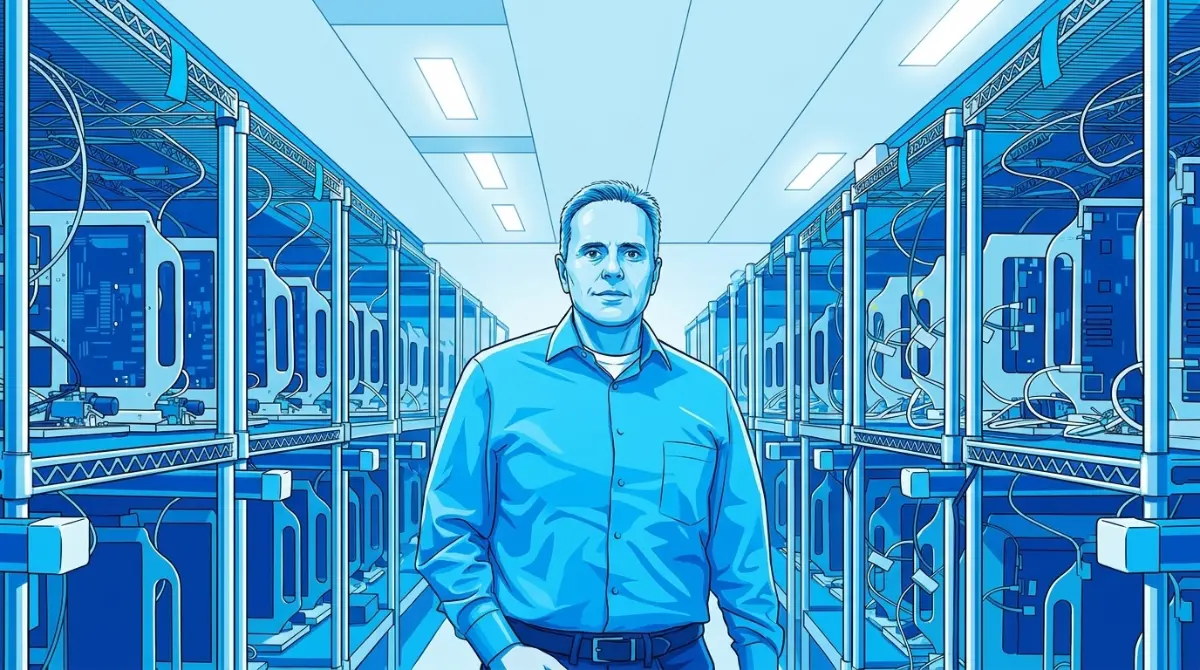
Apple hardware engineering chief Tom Marieb stated screen protectors ruin engineered display clarity, arguing Ceramic Shield 2 provides ample durability against daily abrasions.
Umar Abubakar | 21 Sept. 2026 · 6 min read

Smartphone owners have spent nearly two decades treating stick-on tempered glass as mandatory insurance the second they unbox a clean phone. Buyers peel away factory protective films, wipe down display surfaces, and install third-party glass layers to protect against sidewalk drops and pocket change. That protective ritual is causing open irritation inside design studios in Cupertino. In late September 2026, Apple vice president of hardware engineering Tom Marieb told technology interviewers that watching customers slap aftermarket glass protectors onto iPhones makes his skin crawl. Marieb argued that consumers are compromising carefully engineered optical clarity, anti-glare coatings, and touch sensitivity to defend against surface abrasions that modern glass formulations already resist on their own.
The hardware leader comments reflect growing confidence inside Apple engineering departments following the rollout of Ceramic Shield 2. Co-developed alongside glass manufacturer Corning at its production center in Harrodsburg, Kentucky, the proprietary material first appeared across the iPhone 17 family before expanding to the iPhone 18 Pro and the exterior display panel of the newly released foldable iPhone Duo. Marieb took over as head of hardware engineering when John Ternus transitioned to the chief executive role, inheriting responsibility for material durability and mechanical reliability. Apple maintains that its updated glass formula delivers three times higher scratch resistance than the initial Ceramic Shield iteration seen on older hardware generations. We explored how Cupertino balances mechanical design and hardware tradeoffs in our review of hands-on testing with the iPhone 18 Pro and foldable iPhone Duo.
The Physics Tradeoff Between Impact and Abrasions
To understand why hardware engineers dislike aftermarket adhesive protectors, one must inspect the materials science that governs smartphone cover glass. For decades, glass chemistry operated under a stubborn physical compromise: increasing hardness to stop micro-scratches made materials more brittle, increasing the likelihood of catastrophic shattering during corner impacts. Conversely, softening glass compositions to absorb kinetic energy from hard falls left display surfaces vulnerable to keys, coins, and coarse grit.
Marieb explained that Ceramic Shield 2 was designed to overcome that trade-off. Rather than focusing solely on sudden impact survival, engineering teams prioritized long-term surface resistance against daily environmental friction. The manufacturing process embeds nanoscale ceramic crystals directly inside glass matrices, creating an interlocking crystalline structure that halts surface fractures before they propagate across display layers. Marieb noted that engineers could have pushed scratch resistance even higher, but doing so would have weakened resistance against structural wear over multi-year lifecycles. By finding an equilibrium between sharp-object defense and surface longevity, Apple believes it has rendered extra protective layers obsolete for everyday use.
Real-World Testing Versus Laboratory Drop Metrics
Apple internal validation methods have also changed to reflect how people actually damage handsets. In previous years, consumer electronics companies evaluated durability by dropping naked devices onto flat steel plates from fixed heights. Those standardized tests offered clean numbers for promotional slides, but they rarely matched the chaotic accidents that happen on city sidewalks or transit trains.
Cupertino testing facilities now run simulation routines engineered to mimic years of abrasive daily friction within brief testing schedules. Mechanical test rigs drag denim pockets lined with fine quartz sand across screens, drop phones onto jagged asphalt aggregates, and subject panels to cyclic pressure stresses. Marieb stated that engineers build tests based on direct observations of how customers handle equipment in real life. If a phone survive hundreds of hours of simulated pocket abrasions and tumble cycles without developing unsightly micro-scratches, adding a cheap sheet of third-party tempered glass only degrades display visibility without adding meaningful structural protection. How device makers refine internal components and manage hardware manufacturing was detailed when Apple paid Samsung $250 per foldable display panel.
Optical Degradation and Sensor Blockages
The resistance to screen protectors among hardware designers is rooted in optical and functional compromises. When Apple develops a Super Retina XDR display, engineers spend thousands of hours optimizing anti-reflective surface coatings, sub-pixel color accuracy, and ambient light sensors. Applying an aftermarket sheet of soda-lime glass or plastic polymer introduces an uncalibrated optical layer that reflects overhead light, distorts color balance, and attracts fingerprint grease.
On newest hardware generations, third-party screen covers have created acute operational problems. On the iPhone 18 Pro, Apple relocated internal infrared sensors to the perimeter edge of the display to support updated biometric architectures. Inexpensive screen protectors manufactured with thick black border bezels or misaligned adhesive cutouts frequently obstruct those sensor arrays, triggering recognition failures during biometric unlocks and contactless transactions. Furthermore, third-party accessories often lack high-grade oleophobic coatings, meaning users end up interacting with smeared, sticky glass rather than the smooth surface Apple engineered. We tracked how user interface choices shape daily device experiences in our analysis of Apple handling split-screen multitasking on dual displays.
The Financial Realities of Out-of-Warranty Repairs
Despite Marieb passionate engineering argument, consumers continue buying protective glass for a practical economic reason: the high cost of official screen replacements. While Apple executives focus on pristine industrial design, everyday phone owners focus on their household bank accounts. Dropping a $1,200 smartphone onto a stone floor remains a terrifying prospect for working consumers who cannot afford unexpected repair invoices.
An out-of-warranty screen replacement for an iPhone 18 Pro costs $329 at official service centers in the United States, while screen repairs for the foldable iPhone Duo run significantly higher. While enrolling in AppleCare+ lowers screen repair fees down to $29, that subscription carries recurring monthly costs that many budget-conscious buyers decline. For millions of consumers, paying $15 for a multi-pack of tempered glass protectors is not an irrational rejection of engineering beauty; it is a rational financial shield. Even if an accessory shatters during an impact while leaving the underlying panel intact, the protector did its job by saving the owner hundreds of dollars in repair fees.
Finding Middle Ground Between Purity and Prudence
The clash between Apple hardware leadership and consumer habits exposes a disconnect between product designers and the practical realities of mobile ownership. Hardware engineers work in controlled office cleanrooms, designing exquisite instruments intended to be appreciated in their naked form. Consumers live in messy environments filled with granite countertops, playground gravel, and tight budgets.
Marieb is technically correct that Ceramic Shield 2 offers impressive durability, and there is no doubt that an iPhone looks and feels superior without an aftermarket protector. Yet until smartphone glass becomes entirely unbreakable under all drop angles, or official repair prices drop to nominal sums, consumers will continue wrapping their expensive pocket computers in protective armor. Apple can push material science forward and build the most resilient display surfaces on Earth, but human caution and economic self-preservation will always keep tempered glass makers in business.
Read More on TechRobust:
Umar Abubakar
 LinkedIn
Umar Abubakar
Expertise:Editorial Leadership, Product Design (UI/UX), Digital Media Strategy, Technology Systems, Product Architecture
Award:TechRobust Visionary Leader of the Year 2025
Umar serves as Editor-In-Chief and CEO of TechRobust, combining editorial vision with senior product design expertise to shape how modern technology stories are built, packaged, and told. Overseeing all editorial verticals, he directs coverage across global and regional tech landscapes while applying deep design thinking to publication strategy and reader experience.