
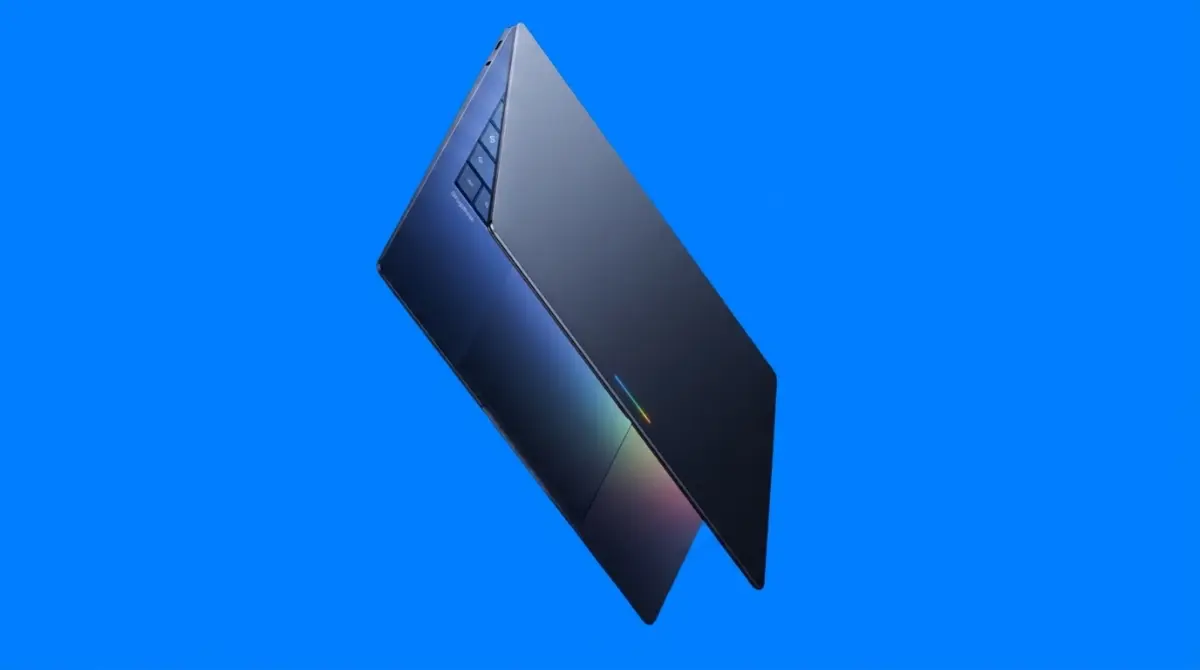


Google Bets on Gemini With the $899 Googlebook Laptop
Alphabet opened pre-orders for the new $899 Googlebook today. The device merges Android and Chrome functionality to push Gemini artificial intelligence into daily computing.
Umar Abubakar | 21 Sept. 2026 · 6 min read

The consumer technology sector reached a fascinating turning point this morning. Google officially opened pre-orders for a completely new hardware category called the Googlebook. Starting at $899, this machine represents a massive financial gamble. The search giant is betting that everyday users will spend nearly a thousand dollars on a brand new computer strictly to access native artificial intelligence features. The company spent the last fifteen years pushing the budget-friendly Chromebook to students and schools. Now, executives want a place on the premium retail shelves right next to expensive competitor laptops.
We must examine what exactly makes this computer different from the hardware sitting on your desk right now. The Googlebook does not simply add a chatbot window to a standard operating system. The software architecture physically merges the application variety of Android with the desktop browsing capability of ChromeOS. This combination allows the device to run mobile apps naturally while maintaining standard web productivity tools. The true focus remains entirely on Gemini. Google integrated its artificial intelligence directly into the mouse cursor. They call this tool the Magic Pointer. When you wiggle your mouse over a specific text block or an image, the system instantly reads the context and offers relevant actions. If you point at a date inside an email, the software asks if you want to create a calendar appointment. If you select two product images, the tool can display them side by side.
This level of software integration raises immediate questions about consumer privacy and local processing power. We recently covered how companies are racing to launch advanced multimodal artificial intelligence models, and hardware must evolve rapidly to support them. Google states that these new laptops use powerful internal components to handle the heavy computational load natively. The exterior design also features a unique physical indicator called the Glowbar. This light strip sits on the back of the computer and visually confirms when the Gemini software is actively reading your screen or processing a request.
Automating the Desktop Experience
The device introduces a feature called Create your Widget. Users can speak or type a natural sentence asking the computer to organize specific information into a personalized dashboard. A user planning a vacation can ask the computer to gather flight details, hotel reservations, and local restaurant recommendations into one single block on the desktop. The system searches through connected email accounts and web browsers to assemble the data without any manual sorting required. This automation represents a complete departure from traditional folder structures.
The hardware manufacturing strategy also deserves careful attention. Google relies entirely on established partners to physically build the machines. Asus, HP, Dell, and Lenovo are eager to participate because the traditional laptop market has remained flat for years. These manufacturers hope the heavy focus on artificial intelligence will convince hesitant shoppers to finally open their wallets. They are installing biometric sensors and high resolution touch screens to justify the premium price tag. The success of this partnership depends entirely on whether the software actually works properly during daily use. Early hardware often struggles with software bugs, and buyers spending nearly a thousand dollars will not tolerate constant crashing or poor battery life.
The strategy behind the $899 entry price is highly calculated. Google is abandoning the race to the bottom that defined the early notebook era. Partner manufacturers must meet strict performance requirements set by Alphabet. The pricing places the device in direct competition with standard Apple hardware. Buyers who are already considering devices like the latest premium smartphone hardware releases might easily justify spending a similar amount on a laptop that promises to automate their daily scheduling and file organization.
Merging Mobile and Desktop Environments
Another major selling point revolves around phone synchronization. The company understands that modern workers constantly switch between mobile devices and desktop computers. The new operating system includes a file browser that accesses your Android phone storage instantly without requiring manual transfers or cloud uploads. If you order food on a mobile delivery app, you can monitor the driver directly from the laptop screen without picking up your phone.
Fifteen years ago, the original Chromebook launched with a very simple premise. The entire computer operated inside a web browser, relying entirely on cloud storage rather than local hard drives. That strategy worked perfectly for schools looking for cheap, disposable hardware. The Googlebook flips that strategy completely upside down. Artificial intelligence requires serious local processing power to avoid frustrating lag times. When the Magic Pointer analyzes an image on your screen, it cannot wait ten seconds for a distant server to respond. The response must be instantaneous. This requirement forces the hardware partners to install expensive, high speed memory chips and specialized neural processors. The $899 starting price directly reflects the cost of these components.
We must also consider how this launch impacts the broader developer community. Software engineers now face a fractured market. For years, they built web applications for Chrome and mobile applications for Android. Google now demands that these applications work perfectly across a hybrid interface. When a user opens a mobile video game on their new Googlebook, the interface must scale smoothly to fit a wide laptop display. If the mobile app looks stretched or distorted on the larger screen, the premium illusion shatters instantly. The company promises that their underlying software architecture will force these apps to behave correctly, but historical attempts to merge mobile and desktop software have always faced severe technical hurdles.
The geopolitical implications of this hardware push cannot be ignored either. Building millions of these specialized laptops requires a massive supply chain operation extending across Asia. The processors required to run local artificial intelligence tasks rely heavily on foundries in Taiwan, while the final assembly largely takes place in China and Vietnam. As global trade tensions continue to complicate consumer electronics manufacturing, Google is taking a massive risk by introducing an entirely new product category that requires uninterrupted access to premium silicon. A single disruption in the semiconductor market could delay shipments and ruin the momentum they hope to build during this initial pre-order phase. Buyers who reserve their units today expect timely delivery, and any logistical failure will immediately damage the reputation of the new brand before it even has a chance to succeed.
The industry will watch these sales figures closely over the coming months. Consumers generally upgrade their laptops only when the battery fails or the screen breaks. Convincing the public to replace perfectly functional computers simply to gain a smarter mouse pointer will require an aggressive marketing campaign. If the Googlebook succeeds, it will validate the theory that artificial intelligence can drive a massive hardware replacement cycle. If it fails to find an audience, executives in Mountain View will have to accept that most people prefer their current operating systems exactly the way they are.
Read More on TechRobust:
Umar Abubakar
 LinkedIn
Umar Abubakar
Expertise:Editorial Leadership, Product Design (UI/UX), Digital Media Strategy, Technology Systems, Product Architecture
Award:TechRobust Visionary Leader of the Year 2025
Umar serves as Editor-In-Chief and CEO of TechRobust, combining editorial vision with senior product design expertise to shape how modern technology stories are built, packaged, and told. Overseeing all editorial verticals, he directs coverage across global and regional tech landscapes while applying deep design thinking to publication strategy and reader experience.