
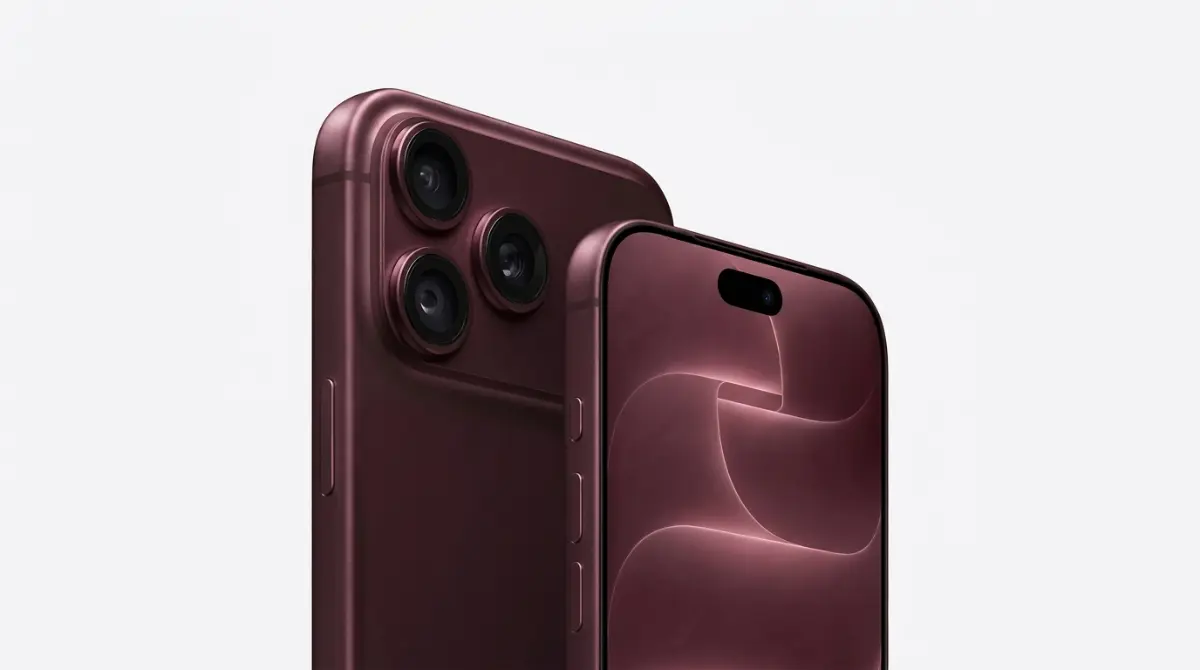


Nobody Wants the iPhone 18 Pro: Pre-Orders Crater
Wait times for the iPhone 18 Pro sit flat as buyers recoil from higher prices and pause their upgrades for the upcoming two-thousand dollar foldable.
Umar Abubakar | 15 Sept. 2026

Refresh the digital checkout queue on Apple's online storefront on a pre-order morning, and you usually encounter a familiar scene of consumer frenzy. Delivery dates slip from days into weeks, server gateways buckle under traffic spikes, and credit card authorizations queue up across banking networks. For fifteen years, tracking this retail spectacle revealed an iron law of consumer tech: no matter how incremental the hardware changes appeared, millions of buyers lined up to swipe their cards for Cupertino's newest glass slab. That retail tradition hit a visible stumbling block on Tuesday, September 15, 2026. Initial pre-order wait times for the iPhone 18 Pro and Pro Max are running lukewarm, forcing market analysts to trim hardware production forecasts while consumers reconsider paying premium prices for minor upgrades.
The warning comes directly from GF Securities equity analyst Jeff Pu, who issued a research advisory cutting build projections for the iPhone 18 Pro lineup down to 72 million units. When pre-orders opened on September 12, delivery calendars failed to stretch across the board. In the domestic American market, wait times for the iPhone 18 Pro Max sit at three to four weeks for 256GB and 512GB tiers, alongside the Burgundy 1TB option. By comparison, Black and Glacier 1TB units show brief one-to-two-week buffers, while the Silver 1TB variant, multiple 2TB tiers, and almost every standard iPhone 18 Pro model remain available for launch-day pickup this Friday. Consumers are voting with their wallets, pushing back against higher retail prices while casting an eye toward the foldable horizon. We examined how price increases and hardware tradeoffs shape consumer sentiment in our hands-on review of the iPhone 18 Pro and $2,000 iPhone Duo.
Sticker Shock and Flat Hardware Upgrades
To understand why checkout traffic slowed, look at the arithmetic facing shoppers at checkout. The base iPhone 18 Pro starts at $1,199, while the Pro Max climbs to $1,299. For power users seeking maximum storage, the 2TB configurations climb to $2,399 and $2,499. Squeezing higher pricing out of consumers during an era of cautious household spending requires offering radical new utility. Yet the physical differences separating this generation from earlier models remain subtle.
The headline hardware change centers on a mechanical variable aperture camera system, designed to give photographers physical control over depth of field and low-light intake. While optical enthusiasts appreciate adjustable physical blades, everyday smartphone users rely on algorithmic portrait modes and automated image processing to snap photos of their children or restaurant dinners. Asking buyers to hand over twelve hundred dollars for minor sensor refinements feels steep when existing phones run daily software without hesitation. This price-to-upgrade mismatch is stalling consumer desire, echoing broader industry friction we detailed when reporting on how Apple nailed iPhone Duo split screen while iPad multitasking struggles.
The Shadow of the Foldable Duo
The primary factor holding back iPhone 18 Pro sales is sitting inside Apple's own product catalog. In previous release cycles, the Pro Max stood alone as the undisputed luxury king of the lineup. If a customer wanted to spend two thousand dollars on mobile hardware, the largest Pro model was the only game in town. That hierarchy vanished when Tim Cook's team revealed the iPhone Duo.
The foldable device, opening for pre-orders on October 16 with store arrivals on October 23, starts at $1,999 for 256GB and stretches to $3,199 for 2TB. Even with that high price floor, the dual-screen foldable represents the first genuine form-factor revolution from Cupertino in nearly a decade. Affluent consumers and technology enthusiasts who purchase high-tier iPhones every autumn are pausing their orders, keeping their capital in reserve until the foldable arrives on retail counters next month. Why spend $1,300 on a conventional metal rectangle when an extra several hundred dollars buys a transforming dual-screen workstation? Supply chain production costs are already high for these complex folding components, an economic balance we broke down when Apple paid Samsung $250 per foldable iPhone Duo screen.
Component Bottlenecks and Trimmed Forecasts
The softer demand narrative intersects with severe mechanical bottlenecks behind factory walls. Fabricating micro-mechanical aperture blades that survive repeated pocket drops has created production snags for camera module suppliers. Those yield issues contributed to Pu reducing total iPhone 18 Pro and Pro Max build estimates to 72 million units.
The manufacturing friction is even more pronounced for the foldable flagship. Pu cut projected 2026 build volume for the iPhone Duo from 7 million units down to 6 million, citing mechanical yield hurdles surrounding the zero-crease titanium hinge mechanism. Maintaining strict quality control on precision gears, optical coatings, and flexible OLED panels limits how fast Foxconn assembly lines can churn out hardware. Apple faces a delicate commercial squeeze: demand for traditional slates is flattening, yet manufacturing hurdles prevent the company from flooding stores with high-margin foldables to pick up the slack. We tracked similar industrial hurdles when analyzing how Huawei challenged mobile photography boundaries with advanced multi-lens glass.
The Consumer Verdict on the Upgrade Cycle
Across social platforms and enthusiast forums, consumer sentiment tells an unambiguous story. Outside of diehard tech adopters who replace their pocket devices every twelve months, mainstream smartphone owners are keeping their existing hardware for three, four, or five years. Mobile processors reached desktop-level computing speeds years ago, battery chemistries hold their charge longer, and annual operating system updates keep older phones feeling fresh. Without an undeniable physical incentive to trade up, consumers are choosing to let their current hardware ride.
As retail boxes reach front porches this Friday, early checkout queues will show whether retail store traffic can overcome online hesitance. If wait times remain stagnant into October, pressure will mount on the iPhone Duo to carry Apple's holiday hardware revenue. In the maturing hardware era, even the world's most valuable consumer enterprise cannot escape economic gravity. When upgrades feel incremental and prices reach record heights, consumers are content to keep their money in their pockets and wait.
To examine the original reporting on early pre-order wait times and analyst forecast revisions, you can visit MacRumors.
Read More on TechRobust:

Umar Abubakar
 LinkedIn
Umar Abubakar
Expertise:Editorial Leadership, Product Design (UI/UX), Digital Media Strategy, Technology Systems, Product Architecture
Award:TechRobust Visionary Leader of the Year 2025
Umar serves as Editor-In-Chief and CEO of TechRobust, combining editorial vision with senior product design expertise to shape how modern technology stories are built, packaged, and told. Overseeing all editorial verticals, he directs coverage across global and regional tech landscapes while applying deep design thinking to publication strategy and reader experience.