
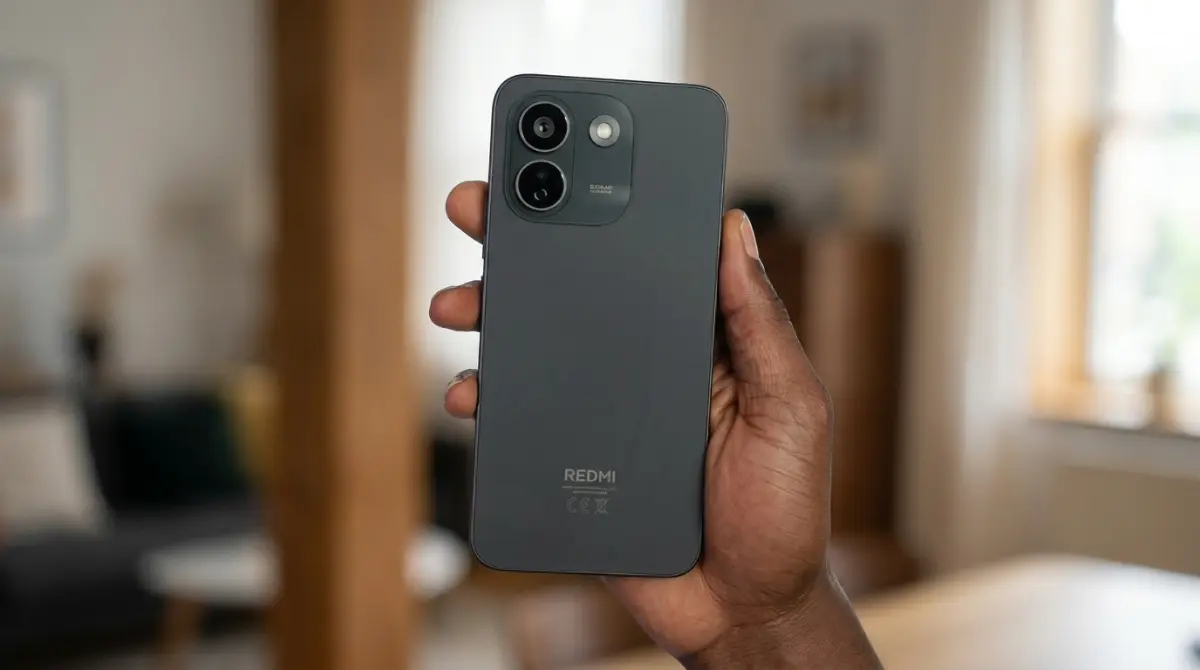


Redmi Note 17 Pro Max 5G Review: 10000mAh Battery King
The latest mid-range smartphone from Xiaomi prioritizes massive battery capacity over incremental processing gains, delivering a highly practical device designed for users who want to stop worrying about constantly searching for a charging cable during their daily commute.
Umar Abubakar | 3 Oct. 2026 · 6 min read

Smartphone updates frequently feel repetitive. Recent devices rarely show massive differences in processing speed, memory allocation, or physical storage compared with their immediate predecessors. Buyers often struggle to justify purchasing a new device when the improvements remain barely visible during daily usage. Xiaomi attempts to break this cycle with the Redmi Note 17 Pro Max 5G. Instead of chasing marginal benchmark victories, the manufacturer focused entirely on extreme physical endurance. The resulting device combines a massive power cell, a bright AMOLED display, and reliable daily operation into a highly practical package.
The defining hardware feature of this smartphone is the internal battery. The company installed a 10,000mAh power cell, which is nearly double the capacity found in standard competing models. This exact hardware choice completely alters how an owner uses the device. Normal battery anxiety disappears entirely. A user can stream high-resolution video content or run the device as a wireless hotspot for a laptop without constantly calculating remaining usage time. The psychological relief of knowing the phone will easily survive a full day of heavy usage is a strong selling point for power users.
Charging a battery of this physical size usually requires hours connected to a wall outlet. To counteract this delay, the manufacturer included 100W fast charging support. While it still takes longer to reach maximum capacity compared with smaller batteries, the fast charging technology ensures the device recovers hours of usage time in just a few minutes. Buyers do not have to abandon their device for an entire afternoon just to replenish the massive internal cell. We tracked similar hardware tradeoffs when engineers tore down the iPhone 18 Pro Max, proving that balancing battery size and charging speed remains a strict physical challenge for hardware developers.
Design and Display Features
Despite housing a massive battery, the physical chassis remains surprisingly manageable. Our testing unit arrived in the Cloud Blush color option. The visual finish avoids flashy, aggressive styling in favor of a muted, sophisticated appearance. It provides the hardware with distinct character without drawing unnecessary attention in a professional environment. The engineering team successfully disguised the heavy internal components inside a visually balanced exterior shell.
The front of the phone features a large, bright AMOLED display. Building a phone focused on long usage sessions requires a high-quality screen. If an owner spends less time worrying about battery drain, they spend more time consuming media and reading text. The display delivers deep contrast levels and fluid motion, making media consumption highly enjoyable. Xiaomi also implemented specialized software functions for physical durability. The operating system includes a dedicated underwater camera mode, proving the device can handle temporary submersion without suffering permanent liquid damage.
These specific display upgrades ensure that buyers receive a premium viewing experience despite the mid-range pricing category. Standard panels often suffer from poor visibility under direct sunlight, but the brightness levels on this screen maintain absolute clarity outdoors. For a device built strictly to survive long days of travel and outdoor usage, having a screen that fights through heavy glare is a mandatory requirement.
Processing Capability and Storage Constraints
Internal processing relies on the Snapdragon 6 Gen 5 chipset. On a specification sheet, this processor might seem underwhelming when compared against premium flagship silicon. Daily operation tells a different story. The operating software remains highly responsive when jumping between active applications, scrolling through social feeds, or managing standard office tasks. The hardware handles casual mobile gaming without dropping frames or generating excessive heat. The silicon manages background applications smoothly, refusing to prematurely close active tasks just to save memory.
There is one technical limitation regarding internal memory speeds. The marketing materials advertise UFS 4.0 storage components. While the physical memory chips might meet that standard, the Snapdragon processor itself creates a bottleneck. The chipset limits the actual data transfer rates to UFS 3.1 speeds. Most buyers will never notice this cap during normal file transfers, but buyers expecting peak memory performance should understand this exact hardware limitation. This type of component compromise is common in the mid-range sector, a reality we noted when evaluating the Qualcomm Snapdragon 8 Elite Gen 6 extreme launch parameters.
Camera Equipment and Connectivity
The camera system delivers acceptable results for casual photography. The main sensor captures clean, sharp images in bright lighting conditions. The color processing leans toward natural saturation, avoiding the extreme artificial enhancements seen on competing smartphones. The hardware lacks a dedicated optical zoom lens. Users who frequently photograph distant subjects will notice a drop in image quality when relying strictly on digital magnification. Adding a physical telephoto lens would have made the camera array considerably more competitive against rival devices in this exact price category.
Beyond photography, the device performs exceptionally well at cross-platform communication. The software allows smooth file sharing and screen mirroring with both Windows computers and Apple hardware. This broad compatibility makes the smartphone an excellent companion for remote workers who constantly move data between their mobile device and their primary workstation. The software refuses to lock users into a single operating environment, a consumer-friendly approach that contrasts heavily with the strict restrictions frequently imposed by Apple iOS environments.
The software experience relies heavily on the latest iteration of HyperOS, replacing the older MIUI interface. This transition brings a cleaner aesthetic and fewer pre-installed applications, which previously cluttered the home screen. The system animations feel highly refined, masking the limitations of the mid-range silicon by forcing the interface to glide naturally between menus. The manufacturer also promises a respectable software support cycle, committing to multiple years of security updates. Buying a device with a massive battery means very little if the operating software becomes obsolete after twelve months. This extended support cycle guarantees the hardware remains secure and functional for a much longer timeframe.
Retail availability and pricing models also play a major role in the appeal of this device. By keeping the price tag strictly within the mid-range bracket, Xiaomi undercuts the flagship competition aggressively. Consumers who refuse to spend a thousand dollars on a smartphone now have a viable alternative that delivers flagship-level screen quality and unmatched battery life. While it will not beat premium devices in raw computational testing, it easily wins the battle of daily practicality. The global release rollout ensures this exact model will reach emerging markets where reliable battery life is frequently more valuable than extreme processing speeds.
The Redmi Note 17 Pro Max 5G targets a very distinct consumer demographic. It ignores the race for the fastest processor and focuses entirely on keeping the screen turned on for as long as physically possible. By pairing a 10,000mAh battery with a capable mid-range chipset and a beautiful display, the manufacturer built a highly functional tool for heavy daily usage. The lack of optical zoom and the storage speed bottleneck are minor complaints against a device that successfully eliminates battery anxiety.
Read More on TechRobust:

Umar Abubakar
 LinkedIn
Umar Abubakar
Expertise:Editorial Leadership, Product Design (UI/UX), Digital Media Strategy, Technology Systems, Product Architecture
Award:TechRobust Visionary Leader of the Year 2025
Umar serves as Editor-In-Chief and CEO of TechRobust, combining editorial vision with senior product design expertise to shape how modern technology stories are built, packaged, and told. Overseeing all editorial verticals, he directs coverage across global and regional tech landscapes while applying deep design thinking to publication strategy and reader experience.