
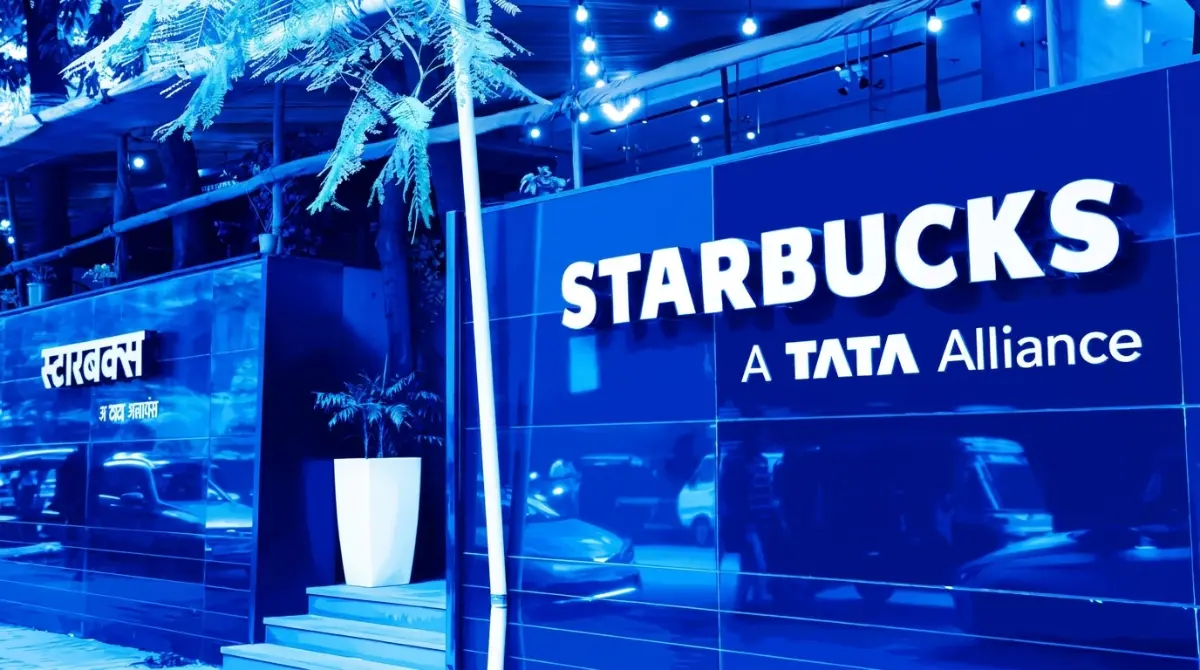


Starbucks Builds Chennai Tech Hub to Hire 800 Workers
Starbucks, Global Capability Centre, Chennai, India tech hub, retail technology, Tata Consumer Products, software development, enterprise tech
Umar Thariwat | 21 Sept. 2026 · 3 min read

Major multinational corporations continue expanding technical operations across southern India, moving far beyond simple customer support hubs. On Monday, September 21, 2026, Seattle-headquartered coffee giant Starbucks signed a formal agreement with state authorities in Tamil Nadu to establish a global capability centre in Chennai. The facility will house approximately 800 software engineers and technical specialists during its initial operating phase. Starbucks operates roughly 500 coffeehouses throughout the country through a joint venture with Tata Consumer Products. Setting up a dedicated engineering base reflects a broader corporate push to build proprietary digital infrastructure for inventory management, mobile ordering applications, and supply chain tracking. We recently analyzed how major corporations manage large-scale technology shifts in our report on Sam Altman calling OpenAI 2026 IPO plan ill-advised.
The decision by the coffee chain follows a familiar pattern among Western enterprises seeking technical talent in South Asia. Just days prior, American pharmacy operator Walgreens finalized an agreement to open a technical facility in the same city. Chennai has evolved into a major destination for international businesses, hosting regional headquarters and engineering hubs for institutions such as Citigroup, Barclays, and American Express. According to regional government figures, the city accounts for roughly ten percent of all specialized corporate technology operations established across the country. Lower personnel turnover, strong academic pipelines, and established telecommunications infrastructure make the region an attractive destination for foreign companies seeking to build proprietary software without relying entirely on third-party contractors.
Industry observers point out that modern corporate technology centers bear little resemblance to the traditional cost-saving call centers of past decades. Modern facilities focus on high-value software architecture, data analytics, cybersecurity, and artificial intelligence development. Starbucks technology chief Anand Varadarajan noted that local talent availability and operational stability support the company long-term software goals. Rather than answering routine customer complaints, engineers stationed in Chennai will write code that powers mobile transactions, refines loyalty programs, and manages complex inventory logistics across thousands of retail locations worldwide. This transition toward high-end technical operations mirrors manufacturing shifts we examined when reporting on Apple paying Samsung $250 per foldable display panel.
India has cemented its status as the world largest destination for corporate technical hubs, hosting more than 2,100 operational centers that employ approximately 2.36 million workers. These facilities generate nearly $100 billion in annual economic value, according to market data compiled by Nasscom and Zinnov. For retail chains operating thousands of storefronts across multiple continents, maintaining internal control over software development prevents reliance on external software vendors and accelerates feature updates for mobile applications. As consumer expectations shift toward instant digital ordering and personalized rewards, traditional restaurant chains are effectively transforming into software-driven organizations.
The establishment of the Chennai office also strengthens the regional footprint of the joint venture between Starbucks and Tata Consumer Products. Since entering the South Asian market, the partnership has steadily expanded its physical footprint across major urban centers, catering to a rising urban middle class with disposable income for premium cafe experiences. Integrating local software engineering teams directly into the corporate ecosystem allows the company to tailor digital promotions, payment integrations, and delivery partnerships specifically for regional consumer habits while feeding software insights back to global headquarters.
Financing and staffing a technical hub of this magnitude requires careful coordination between regional economic development boards and corporate executives. While state officials did not disclose total monetary figures for the agreement, establishing a facility capable of housing 800 professionals demands substantial real estate leases and compute infrastructure investments. As international brands continue shifting their software development operations to South Asia, Chennai remains positioned at the center of this corporate migration. For Starbucks, the success of the new facility will depend on its ability to retain top engineering talent and integrate local codebases smoothly into its global retail network.
Read More on TechRobust:
Umar Thariwat
 LinkedIn
Umar Thariwat
Expertise:Tech News Reporting, Tech Business Analysis, Economic Foundations, Market Trends, Digital Economy
Award:Rising Voice of the Year 2025
Thariwat is a Staff Writer and Reporter covering tech news and enterprise trends at TechRobust. Blending daily reporting with her ongoing academic background in economics, she analyzes earnings, digital market, and the commercial strategies powering the global tech sector.