
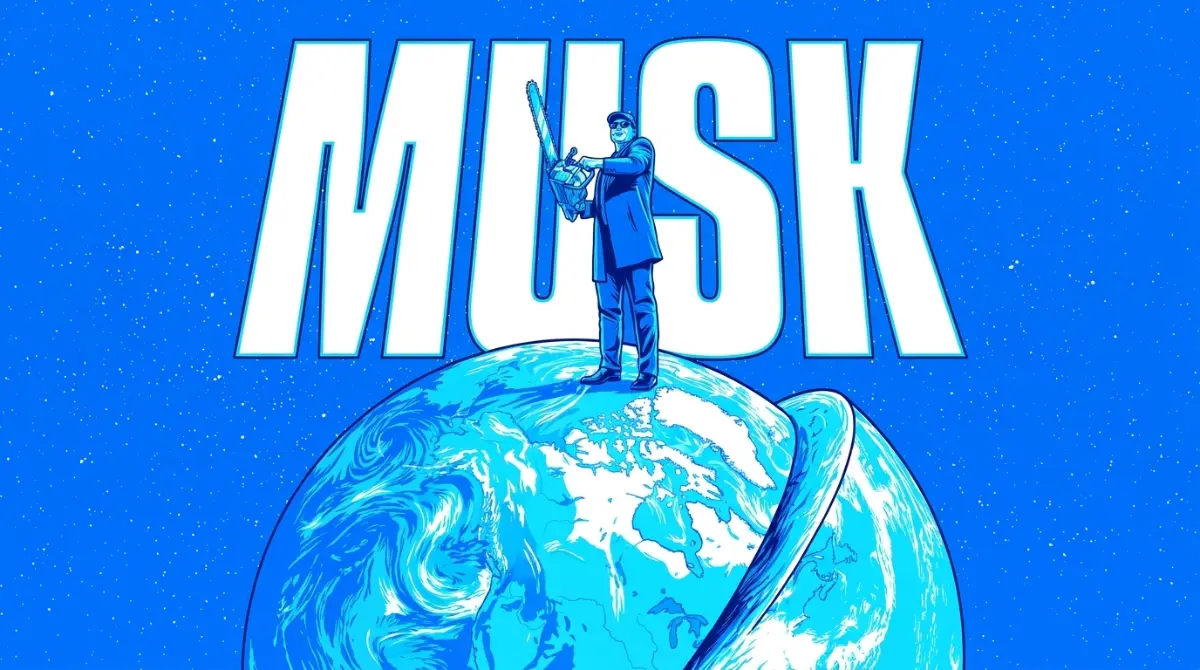


Meta and YouTube Restore Ads for Elon Musk Documentary
Following intense public backlash, massive social media platforms abruptly reversed course and restored advertising campaigns for a harshly negative documentary about Elon Musk.
Inioluwa Ademidun | 27 Sept. 2026 · 4 min read

Massive social media platforms occasionally find themselves caught between enforcing automated advertising rules and appeasing powerful billionaires. Meta and YouTube recently demonstrated this exact tension by abruptly reversing their decisions to block advertisements for Musk, an upcoming documentary directed by Alex Gibney. The three hour film, scheduled for release on October 9, takes a harshly negative look at the business practices and personal conduct of the Tesla and SpaceX chief executive. Initially, the studio responsible for distributing the film, Bleecker Street, faced a complete advertising blackout. The major digital networks rejected the promotional trailers, citing violations regarding political content.
Automated Rejections and Public Appeals
When a film distributor tries to buy advertising space, the material usually passes through an automated scanning system. If the system flags the content as political, the platform often demands extra verification or simply denies the request entirely to avoid controversy. Meta previously announced strict limitations on political advertising in certain regions, while TikTok claims to ban it completely. Yet, categorizing a biographical documentary about a technology executive as a political campaign advertisement struck many industry observers as a convenient excuse. As automated web requests overtake human browsing across these networks, relying entirely on machines to filter context often leads to absurd blockages. The situation escalated when Bleecker Street appealed the rejection through official channels, only to watch Meta deny the initial appeal without a detailed explanation. The studio then took the issue directly to the technology press, seeking public support. Once the story gained public traction across multiple news outlets, the technology companies suddenly changed their position, realizing the negative press was causing massive brand damage.
The Corporate Defense
The corporate explanations for the reversal felt highly rehearsed. A spokesperson for Meta told reporters that blocking the promotional material was simply an error, confirming that the company is actively restoring the advertising campaign across Facebook and Instagram. YouTube offered a similar technical defense, stating that its internal systems temporarily restricted the submission. The Google owned video network claimed that a manual review cleared the trailer for public distribution. These rapid apologies illustrate exactly how major internet companies handle public relations disasters. They blame the automated software for making a mistake, issue a manual override, and attempt to move past the controversy quietly. We frequently observe this exact pattern of sudden corporate reversals when observing how Apple manages public disputes regarding its own application store policies.
While Meta and Google eventually accepted the advertising dollars, two other major networks remain completely silent. TikTok has not commented on its original rejection. More predictably, the social media platform X also refused to run the advertisements. Because Elon Musk personally owns X, the refusal to market a documentary highly negative regarding his leadership makes perfect logical sense. The billionaire previously expressed intense hostility toward the project. The refusal by X to accept money from a legitimate film studio simply because the subject matter offends the owner highlights the danger of consolidating communication networks under single ownership. When a single individual controls the distribution of information, they can easily suppress media they dislike. We recently covered the consequences of centralized control when discussing how digital platforms can dictate exactly what media consumers are allowed to access.
The Danger of Centralized Gatekeepers
This advertising dispute exposes a much larger vulnerability within the modern media business. Independent filmmakers and smaller studios rely entirely on Facebook, Instagram, and YouTube to reach audiences effectively. Traditional television advertising is far too expensive for independent budgets, and physical billboards offer very little measurable return on investment. If a few technology executives decide to block a promotional campaign, the film will likely fail at the box office because the intended audience never sees the trailer. The platforms act as absolute gatekeepers for cultural consumption across the internet. When these gatekeepers hide behind opaque automated rules to justify their rejections, it creates an incredibly hostile environment for investigative reporting and independent media. Companies are constantly adjusting their algorithms to protect their own interests, a reality clearly visible when search engines test new methods to keep users trapped within their own walled gardens rather than sending them to external websites.
The fast reversal by Meta and YouTube proves that public pressure still occasionally works against massive technology monopolies. When the media outlets began reporting on the coordinated rejection, the platforms realized that suppressing the documentary looked far worse than simply letting the advertisements run. Bleecker Street successfully used the negative publicity to force a manual review. The advertisements will now appear on screens leading up to the October release date. The entire episode serves as a heavy reminder that the rules governing digital communication are never permanently fixed. They change rapidly depending on exactly who is watching and how much negative attention a platform is willing to endure.
Read More on TechRobust:
Inioluwa Ademidun
 LinkedIn
Inioluwa Ademidun
Expertise:African Tech Ecosystem, Early-Stage Startups, Emerging Market Dynamics, Venture Capital & Tech Reporting, Product Management
Award:TechRobust Contributor of the Year 2025
Inioluwa is a Senior Product Manager by day and an investigative technology reporter by night, bridging the gap between scalable software architecture and high-impact journalism. She delivers deep-dive analysis on venture-backed founders, regulatory shifts, and grassroots tech ecosystems across Africa and global emerging markets.