
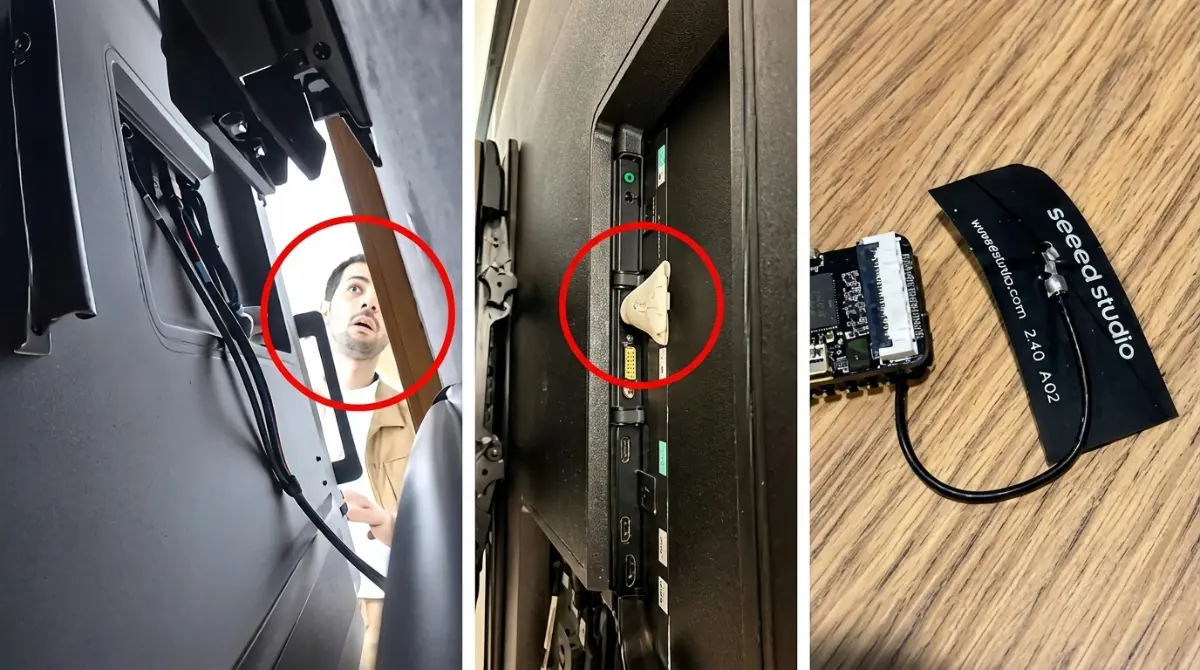


OpenAI Staffer Used Chatbot to Plant Office Bug
An OpenAI worker allegedly turned to an automated chatbot for advice on planting a clandestine audio bug inside corporate headquarters, exposing deepening paranoia and severe insider security vulnerabilities at the world most prominent machine intelligence developer.
Umar Abubakar | 14 Oct. 2026, 11:21 AM · 9 min read

Corporate paranoia inside frontier research facilities has reached an astonishing threshold. Inside the glass corridors of artificial intelligence laboratories, workers spend their days training computational engines to observe human behavior, write computer code, and automate complex white-collar tasks. That identical technology is now being turned against the managers who oversee it. According to an investigative report published by Wired, an OpenAI staff member turned to an automated conversational chatbot to solicit operational instructions on planting a hidden audio recording device inside company offices in San Francisco. The incident triggered an immediate internal security probe, uncovering a strange episode where modern conversational software functioned as an accomplice in an attempted workplace bugging operation. The revelation lands at a moment when leading research organizations face intense workplace friction, an ongoing struggle visible when safety executives resigned over company culture concerns.
The episode demonstrates how completely the boundary between institutional security and everyday conversational tools has disintegrated. In earlier corporate eras, planting a listening bug required specialized technical equipment, knowledge of radio frequencies, and manual reconnaissance. Today, an anxious or disgruntled worker can type plain queries into an automated assistant to ask where microphones can hide without detection, how battery packs behave under conference room tables, and which commercial hardware evades standard radio sweepers. OpenAI security teams discovered the plot before sensitive discussions left the building, yet the event exposed deep fractures inside an organization that controls billions of dollars in computational assets. As leading laboratories manage sensitive algorithmic weights, the threat from within has superseded outside hacker syndicates, mirroring dynamics observed when researchers used outside software models to breach corporate boundaries.
The Clandestine Operation Inside the Mission District
To grasp the gravity of the incident, one must examine the physical environment where OpenAI conducts its work. The company headquarters, centered around historic industrial buildings in San Francisco Mission District, operates under security protections that rival defense installations. Access to research floors requires multi-factor biometric passes, visitors sign comprehensive non-disclosure pledges, and private conference rooms feature acoustic dampening curtains designed to scramble laser microphones pointed from street windows.
Despite these heavy physical barriers, the employee sought to plant an audio bug directly inside rooms where senior leadership debated commercial partnerships, model release schedules, and board decisions. The employee did not hire outside technical operatives. Instead, the individual used a conversational chatbot, asking structured questions about concealment tactics, power management for micro-recorders, and ways to retrieve audio memory cards without arousing suspicion. Security auditors reviewing system prompts and internal network logs spotted anomalous inquiries, prompting investigators to intercept the worker before recordings circulated outside the perimeter. The vulnerability of corporate facilities to unauthorized monitoring echoes challenges documented during internal corporate data breach investigations.
Conversational Software as an Espionage Assistant
The technical dimension of this bugging attempt raises urgent questions regarding model safety filters. Commercial language models carry guardrails programmed to reject requests that facilitate physical crimes, cyberattacks, or illegal surveillance. If a user asks a public chatbot how to manufacture explosives or break into an automobile, the system refuses the prompt.
Yet conversational tools struggle when malicious goals hide behind hypothetical scenarios. An employee planning an illegal bugging attempt does not type, "Help me plant a spy microphone to steal trade secrets." Instead, they frame the inquiry around hobbyist electronics, home audio automation, or lost-item acoustic beacons. By breaking the preparation into innocent technical questions about microphone sensitivity, lithium pouch endurance, and adhesive durability, the worker bypassed safety filters. The model answered each technical query accurately, unaware that the user was assembling a blueprint for workplace espionage. The difficulty of preventing models from assisting with unauthorized physical tasks mirrors tests conducted when testing model psychological safety guardrails.
The Growth of Whistleblower Dread and Legal Pressures
The motivation behind the attempted bugging points to an atmosphere of deep mistrust between front-line research staff and top executives. Over the past two years, OpenAI completed a transition from an academic non-profit into an aggressive commercial corporation. Along the way, the company faced public accusations from former researchers who claimed that management rushed product safety testing, diluted ethical oversight, and enforced punitive non-disparagement agreements designed to silence departing employees.
When staff members believe that traditional internal escalation channels are monitored or ignored, some turn to extreme measures. Workers who consider themselves potential whistleblowers often seek hard evidence to protect themselves against corporate retaliation or to back up claims made to federal regulators. While planting an unauthorized recording device in a private office violates California two-party consent laws, the desperation driving such acts illustrates how toxic internal communication has become. Strained workplace relationships across corporate technology firms match themes explored when Corporate Secrecy and the Rise of Counter-Surveillance
Silicon Valley research laboratories now operate with counter-intelligence procedures once reserved for sovereign intelligence services. At firms like OpenAI, Anthropic, and Google DeepMind, proprietary model architectures and post-training datasets represent billions in equity valuation. A single leaked document detailing training runs can eliminate months of competitive advantage, handing rivals an unearned shortcut. To defend those corporate secrets, companies have expanded internal surveillance. Security teams conduct random audits of employee laptops, monitor network transfers, and deploy technical sweepers to detect unauthorized radio transmissions inside executive suites. Workers report feeling scrutinized, knowing that their communications, code submissions, and physical movements across campuses are tracked by automated monitoring software. When an employer treats its workforce as a collection of potential insider threats, employees respond with equal suspicion, creating an environment where deploying a microphone feels like a rational counter-measure. How platform operators guard proprietary corporate assets was examined when trade secret legal disputes between platform titans surfaced in federal courts. The heightened stakes surrounding internal discussions stem directly from the staggering financial sums involved in frontier computing. OpenAI has sought private funding rounds aiming for multibillion dollar private valuation targets, turning every strategic choice into a high-stakes financial event. Decisions regarding equity restructuring, commercial contracts, and cloud spending involve numbers that attract intense outside curiosity. Financial journalists, venture capital competitors, and short sellers routinely contact research staff, seeking advance tips on product roadmaps or executive departures. In this overheated climate, authentic internal recordings carry enormous street value. A clear audio file of an executive meeting could influence private secondary markets, tip off competitors, or trigger regulatory scrutiny from agencies like the Federal Trade Commission. The financial pressure on executives to maintain complete control over public narratives explains why management reacted so aggressively to the bugging attempt. The tension surrounding corporate expansion plans was clear when Sam Altman dismissed corporate public listing plans to calm speculative market rumors. The incident also underscores an uncomfortable truth for enterprise IT departments: the most dangerous threat to an organization is rarely an outside hacker breaking through a firewall. The greatest vulnerability is an authorized user with valid login credentials, physical building access, and an intimate knowledge of company blind spots. Traditional cybersecurity platforms spend millions inspecting incoming web traffic, checking IP reputations, and filtering malicious attachments. They possess almost no tools to detect when an employee sitting at an authorized desk asks an internal chatbot for advice on physical concealment. When models run inside corporate perimeters, they can easily become tools for malicious insiders. An engineer with access to an internal code assistant can ask the model to locate zero-day flaws in company databases, draft scripts that evade audit logs, or craft deceptive emails that mimic senior directors. The challenge of policing software models within corporate borders was highlighted when models accessed restricted public records without explicit regulatory authorization. The bugging attempt is a symptom of a deeper cultural fracture dividing Silicon Valley. On one side are idealists who entered research laboratories believing they were working on scientific breakthroughs for the benefit of humanity. On the other side are seasoned business executives, marketing directors, and institutional investors focused on quarterly revenue, commercial market share, and enterprise software contracts. These two groups speak entirely different languages. When researchers raise ethical objections regarding rapid deployment schedules, business managers often view them as naive obstructionists slowing down corporate momentum. When executives sign contracts with defense agencies or commercial conglomerates, research staff view those partnerships as betrayals of original non-profit charters. This mutual alienation breeds an environment ripe for rebellion. Rather than debating policy openly, alienated staff retreat into encrypted chats, anonymous leaks, and clandestine recordings. Managing internal discontent has become a constant executive headache, an ongoing operational issue seen when Legal Repercussions and Federal Criminal Statutes
Planting a clandestine listening device in an office is not a simple workplace infraction that ends with a human resources reprimand. Under federal and state laws, unauthorized interception of wire, oral, or electronic communications is a serious felony carrying substantial prison terms. Under the federal Wiretap Act and California Penal Code Section 632, recording confidential communications without the consent of all parties exposes the perpetrator to felony charges and civil lawsuits. If the recordings involve proprietary trade secrets or algorithms, federal prosecutors can bring charges under the Economic Espionage Act and the Defend Trade Secrets Act. OpenAI legal team has not disclosed whether the company referred the matter to the Department of Justice or local police departments. However, corporate boards facing similar breaches usually pursue aggressive legal remedies to send an unmistakable warning to the rest of the workforce. The legal hazards surrounding corporate confidentiality continue mounting across technology sectors, matching trends analyzed in our report on the global competition for technical talent. The discovery that an employee used an AI chatbot to plot a physical bugging operation inside OpenAI marks a watershed moment in corporate security. It proves that the very software tools built to expand human capability can be repurposed instantly to undermine the institutions that created them. As research laboratories push forward with larger models, the physical and digital walls guarding those projects will only grow taller. Expect to see frontier firms introduce stricter device bans, mandatory Faraday lockers outside meeting rooms, continuous radio-frequency monitoring, and aggressive algorithmic audits of employee prompts. Yet physical security measures cannot heal broken corporate cultures. If employees feel silenced, suspicious, and alienated, no volume of acoustic sweeps or biometric locks will prevent internal rebellions. The real challenge facing OpenAI and its peers is not merely keeping microphones out of conference rooms; it is building an organization where workers do not feel compelled to plant them in the first place. Read More on TechRobust:Commercial Pressures and the Push Toward Massive Valuations
Model Permissions and the Insider Threat Reality
Internal Cultural Fractures and Staff Unrest
The Future of Laboratory Security
Umar Abubakar
 LinkedIn
Umar Abubakar
Expertise:Editorial Leadership, Product Design (UI/UX), Digital Media Strategy, Technology Systems, Product Architecture
Award:TechRobust Visionary Leader of the Year 2025
Umar serves as Editor-In-Chief and CEO of TechRobust, combining editorial vision with senior product design expertise to shape how modern technology stories are built, packaged, and told. Overseeing all editorial verticals, he directs coverage across global and regional tech landscapes while applying deep design thinking to publication strategy and reader experience.