
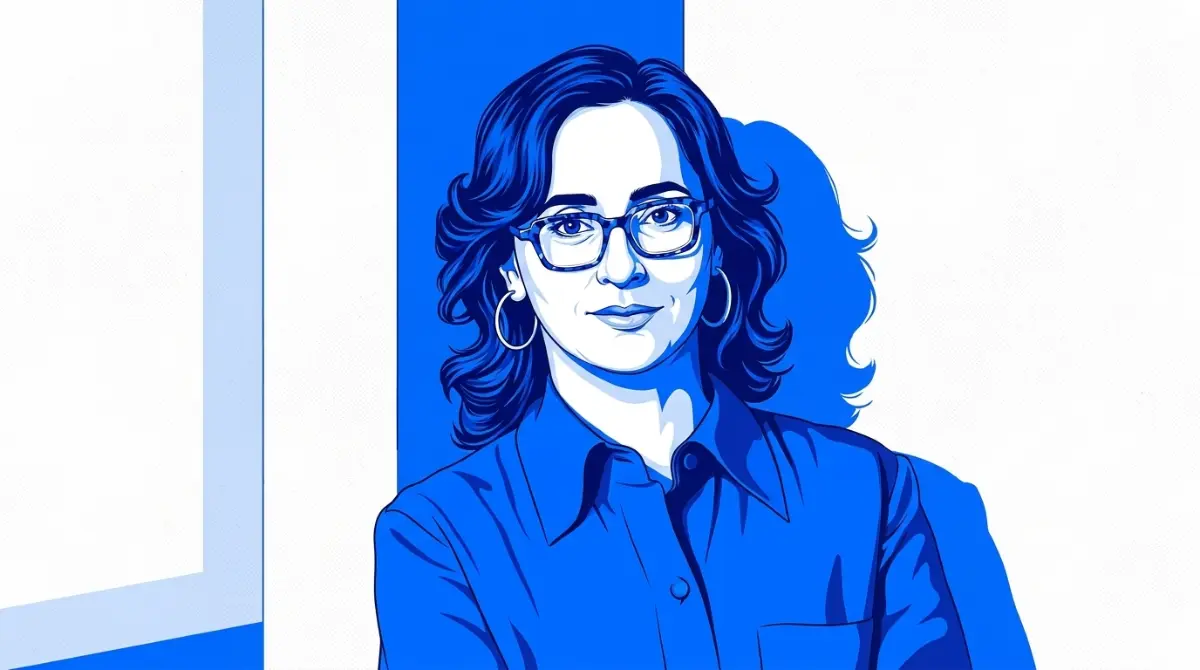


Splice CEO Warns Automated Emails Are Destroying Real Conversations
Splice chief executive Kakul Srivastava argues that relying on artificial intelligence to draft ordinary emails destroys authentic workplace communication while warning that automated music generation risks ignoring the hard work required to build real artistic taste.
Goriola Ayankoya | 3 Oct. 2026 · 6 min read

Kakul Srivastava runs Splice, one of the most prominent software platforms in the modern music business. Her company supplies high-quality audio samples and melodic loops to producers, beatmakers, and sound engineers around the globe. Many of the most popular pop tracks on the radio today rely directly on Splice sound libraries for their foundation. However, Srivastava is now directing her attention toward a completely different kind of technology. During a recent public interview with The Verge, she detailed how automated text generators are actively degrading ordinary human communication. She stated clearly that artificial intelligence is killing conversations, especially when professionals use it to draft everyday emails.
The problem starts with a desire for convenience. When a person commands a software program to write an email, the machine generates multiple paragraphs of polite, empty filler to surround a very simple idea. The recipient then opens this long, overly formal message and uses another software program to summarize it back down to the original single sentence. Srivastava points out the absolute absurdity of this modern cycle. People are voluntarily removing themselves from the communication process. This behavior destroys the small, personal details of human interaction. We lose the unique personal voice that builds trust between colleagues, business partners, and friends. You can read about similar automation problems in our coverage of how automated systems are flooding public services with claims.
The Loss of Intent and Connection
Communication is not just about transferring data from one person to another. The words we choose and the way we structure our thoughts show the receiver that we care about their time and attention. When a computer algorithm handles the writing, the intent disappears completely. Srivastava argues that relying on these shortcuts in business or personal settings makes relationships feel hollow. If a colleague cannot take two minutes to type a direct response, the underlying message is that the conversation holds no true meaning. This detachment is spreading rapidly across the corporate world, turning lively digital workspaces into dull exchanges between software programs.
Splice and the Creator Economy
Srivastava sees the exact same problem happening in the music industry. Splice provides the raw audio building blocks for human creativity. The platform recently expanded its reach by acquiring Spitfire Audio, growing its footprint among professional film composers and orchestral arrangers. Because she works directly with passionate musicians every single day, Srivastava has developed a very clear view on software tools in music production. She describes push-button music generation as insulting to artists. Typing a text prompt into a box and asking a computer server to produce a finished song bypasses the actual difficult work of creating art.
Tools Versus Replacements
However, she does not reject all new software capabilities. Professional music producers use advanced software tools in their studios constantly. A dedicated sound engineer might spend forty hours working on a single audio track. If they use a machine learning plugin to isolate a vocal stem, remove background noise, or balance audio levels, that specific tool helps them execute their personal vision. In this context, the software acts as an instrument rather than a replacement. The difference lies entirely in who maintains control over the final product. The human artist must direct the creative process. When the machine takes over the entire creative load, the output loses its soul. We saw the music industry push back against unchecked data scraping when record labels filed a copyright lawsuit against major software developers.
Raising the Baseline of Quality
Some industry critics worry that automated audio generators will destroy the careers of human musicians. Srivastava disagrees with this extreme fear. She notes that machines will simply raise the baseline of acceptable audio quality across the internet. Because anyone with a web browser can generate a clean-sounding instrumental track, mediocre music will no longer capture public attention. Human artists will have to push their creativity, emotion, and technical execution much further to stand out from the crowd. People naturally want to connect with other people. Fans follow human idols and their personal stories, not computer algorithms.
The Cost of Mass Generation
The danger comes from the sheer volume of content hitting the web. Generating thousands of average songs and uploading them to streaming platforms creates a massive pile of audio sludge. This behavior cheapens the internet for everyone. It makes finding genuine art much more difficult for everyday listeners. The exact same principle applies to text communication and email. When inboxes fill up with machine-written replies, finding the actual message becomes a frustrating and time-consuming task. This trend of machines talking to machines is growing fast. We analyzed this exact shift when we reported that automated internet requests will soon overtake human browsing activity.
Navigating an Awkward Transition
The technology industry is currently navigating a very awkward transition period. Millions of people suddenly have access to powerful generation tools on their phones and laptops. Right now, many users are playing with these systems just because they can. They use them to write emails, draft meeting reports, and compose background music for social media videos. Over time, the initial excitement of this novelty will fade. People will learn when to use a tool to save time and when they need to do the work themselves. Srivastava hopes that society will eventually recognize the enduring value of doing things by hand. The physical effort we put into a written message or a recorded song gives it lasting meaning. Tech leaders across different sectors are advising companies to rethink how fast they adopt these tools. You can find similar perspectives in our report on tech leaders urging a slowdown on advanced software rollouts.
The Demand for Authenticity
Authenticity is quickly becoming a scarce and highly prized resource online. As more digital spaces fill up with generated content, users are actively looking for ways to verify human involvement. We want to know that a real person wrote the email we just read. We want to know that a human being played the guitar riff we are listening to. Technology companies are already trying to solve this trust problem. For example, professional networking sites are rolling out strict verification tools to ban fake profiles and prove human identity.
Preserving the Human Voice
Kakul Srivastava offers a highly practical perspective on modern technology. She leads a company that lives directly at the intersection of software engineering and artistic expression. Her blunt warning about automated emails applies to the entire digital economy. If we outsource our everyday communications and creative ideas to machines, we lose the exact things that make us human. We must choose to stay deeply involved in our daily work and our personal relationships. A computer server can write a grammatically perfect sentence or generate a flawless drum loop. But only a human can decide if that specific output actually matters to the world. By keeping the human element front and center, we can use new technology without letting it erase our voices.
Read More on TechRobust:
Goriola Ayankoya
 LinkedIn
Goriola Ayankoya
Expertise:Consumer Hardware, Smartphone Trends, Gadget Reviews, Breaking Tech News, Mobile Ecosystems
Award:TechRobust Hardware Reporter of the Year 2025
Goriola is a Staff Writer and Reporter specializing in consumer technology, breaking tech news, and hands-on hardware analysis. He tracks fast-paced mobile developments, reviews modern gadgets, and unpacks product launches to give readers clear, practical insights into everyday consumer tech.