


Meta Admits OpenClaw Inspired Its Chart-Topping Muse Agent
Meta product head Nat Friedman confirmed that the new Muse personal agent draws heavy inspiration from the open-source project OpenClaw following user scrutiny.
Umar Abubakar | 22 Sept. 2026 · 4 min read

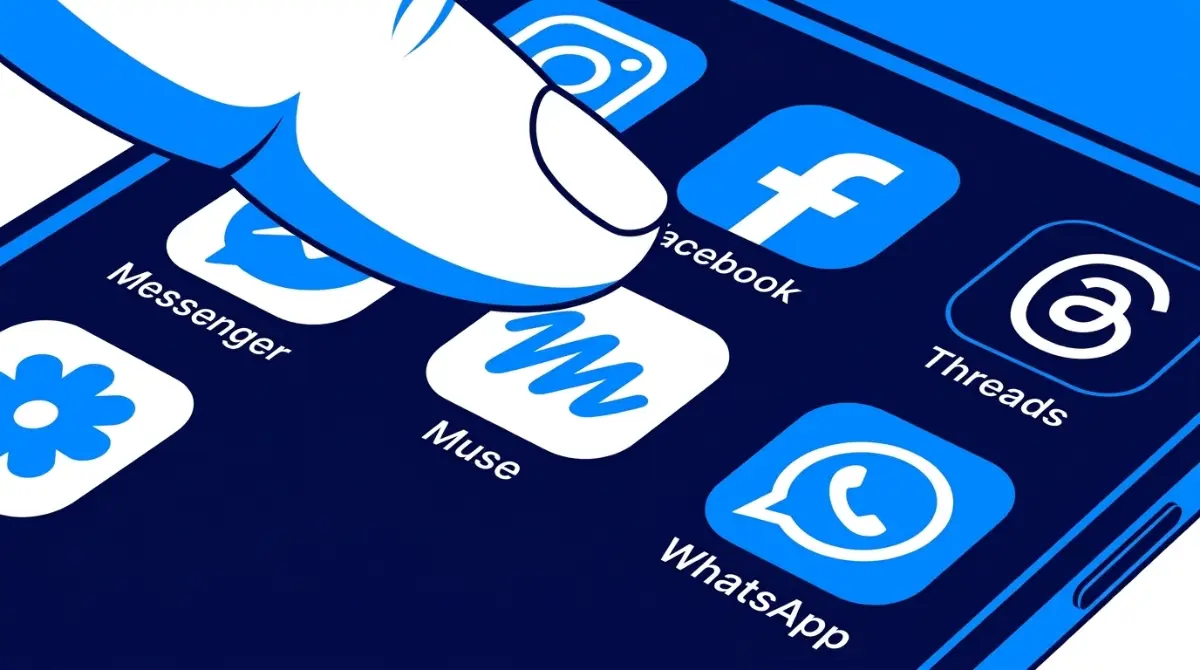
When a massive technology company releases a highly successful software product, independent developers immediately dissect the underlying files. Meta recently launched its personal artificial intelligence assistant called Muse, which quickly climbed to the number one spot on the United States App Store free charts. The software performs daily tasks like managing emails, booking restaurant reservations, and processing online payments. Shortly after the launch, users digging through the application directories noticed something strange. The internal file naming conventions looked entirely familiar. They perfectly mirrored an existing open-source agent project named OpenClaw.
The public scrutiny forced a direct response from the corporate leadership. Nat Friedman, the head of product at Meta Superintelligence Labs, addressed the comparisons on social media. He confirmed that the striking similarities are not accidental. While Friedman insisted his engineering team built the underlying code for Muse completely from scratch, he openly admitted the final product is heavily inspired by OpenClaw. This admission came after developers pointed out nearly identical workspace structures, including a highly exact personality configuration file named SOUL.md.
The Open Source Inspiration
The conversation around how massive technology firms approach independent open-source projects is heavily contested right now. OpenClaw gained massive popularity earlier this year. Austrian developer Peter Steinberger created the project as an always-on desktop assistant. The software runs continuously in the background, requiring a dedicated machine to function properly. OpenClaw became a viral sensation globally, especially in China where local internet users nicknamed the software after its crustacean logo. The project proved so successful that OpenAI successfully recruited Steinberger earlier in 2026.
Friedman explained his team's initial exposure to the independent project. He stated that after testing OpenClaw in January, he purchased hundreds of Mac mini computers for the Meta Superintelligence Labs team. The engineers used these small desktop computers to host the always-on assistant in their own homes and offices. The team became highly attached to the software. According to Friedman, the goal for Muse was to take the exact user experience offered by OpenClaw and package it into a product that could securely expand to billions of regular consumers.
The connection between the two products extends deep into the technical architecture. When Meta released its Muse Glimmer model in August, which is a thirty billion parameter open-weights system designed expressly for on-device operations, the documentation explicitly listed OpenClaw as a supported scaffold. This proves the engineering teams inside Meta were directly studying and interacting with the open-source architecture for months before releasing their own consumer version.
Defending the Product Timeline
This situation naturally invited criticism from independent programmers who feel large corporations simply wait for hobbyists to invent good ideas before copying the user interface. A well known tech entrepreneur posted a conversation transcript online where the Muse agent itself described the identical system files as more than a coincidence. Friedman responded to the criticism by praising Steinberger. He called the original developer a genius and described the original OpenClaw framework as pioneering. Steinberger returned the public compliment, defending Meta against claims of direct code theft and giving the corporate team credit for building their own proprietary backend.
Meta Chief AI Officer Alexandr Wang also joined the public conversation to defend the timeline of the project. He stated that the leadership team planned their personal assistant strategy back in 2025. Wang claimed he co-wrote the original product blueprint alongside Friedman long before the open-source alternative went viral. According to this narrative, the corporate blueprint existed first, and discovering OpenClaw simply showed the engineers exactly what an always-on agent should feel like in daily practice. Wang also teased that the company has three additional projects of similar size currently under development. We often see these internal corporate strategy shifts play out publicly, much like when Manus resumes solo operations after Meta deal collapses, proving that building external partnerships inside giant tech firms is extremely complicated.
The rapid success of the application proves that consumer appetite for autonomous software agents is massive. Early data suggests the initial download numbers for Muse are outpacing the mobile launch of ChatGPT. Users clearly want software that does more than just answer questions. They want a tool that actively manages their digital life. We have seen similar friction regarding how these tools operate recently, heavily documented when discussing Meta Muse AI agent privacy concerns and how the software accesses private computer notifications.
The debate over origin and inspiration will likely fade as the application secures market dominance. Open-source developers frequently test new concepts in public, accepting the reality that highly capitalized companies will eventually commercialize the best features. Meta possesses the financial resources to offer a polished, secure version of a desktop agent to a massive global audience. While the independent developer community might resent the heavy inspiration, regular consumers simply want a product that books their dinner reservations without crashing.
Read More on TechRobust:
Umar Abubakar
 LinkedIn
Umar Abubakar
Expertise:Editorial Leadership, Product Design (UI/UX), Digital Media Strategy, Technology Systems, Product Architecture
Award:TechRobust Visionary Leader of the Year 2025
Umar serves as Editor-In-Chief and CEO of TechRobust, combining editorial vision with senior product design expertise to shape how modern technology stories are built, packaged, and told. Overseeing all editorial verticals, he directs coverage across global and regional tech landscapes while applying deep design thinking to publication strategy and reader experience.