


Oppo Find X10 Series Global Launch Set for October 21
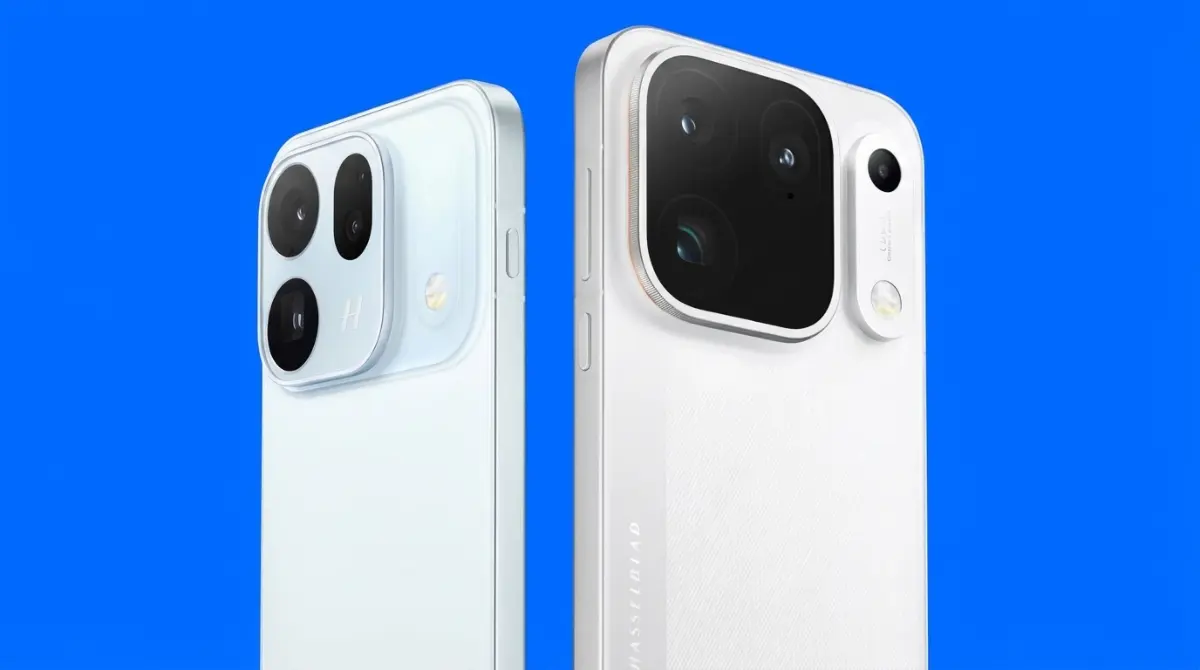
Oppo scheduled its global hardware showcase for October 21 in Mallorca, unveiling the Find X10 and Find X10 Pro Max with silicon-carbon batteries and an unprecedented triple 200MP Hasselblad camera array.
Goriola Ayankoya | 8 Oct. 2026, 2:56 PM · 8 min read

Mobile camera hardware has reached an inflection point where software tricks can no longer disguise physical sensor limits. For years, smartphone brands relied on aggressive computational algorithms to sharpen blurry pictures captured by tiny auxiliary lenses. While the primary wide-angle camera received high-end glass, secondary telephoto and ultra-wide sensors remained afterthoughts with low resolutions and muddy night performance. Oppo is setting out to destroy that hardware compromise. The Chinese consumer electronics manufacturer confirmed that its flagship Find X10 series will launch globally on October 21, 2026, at an in-person media presentation in Mallorca, Spain. Leading the lineup is the Find X10 Pro Max, an uncompromising mobile computer featuring the industry first triple 200MP rear camera system, custom MediaTek Dimensity 9600 Pro silicon, and an 8,000mAh silicon-carbon battery pack. We examined how mobile manufacturers push mobile camera boundaries in our review of the Oppo Find X10 hardware specifications and camera architecture.
The Physics of an All-200MP Optical System
To grasp why the Find X10 Pro Max camera array represents a genuine leap in mobile imaging, one must inspect how multi-camera phones normally function. On traditional flagship handsets, manufacturers install a large 50MP or 200MP sensor behind the primary lens, but pair it with modest 12MP or 48MP sensors for wide and zoom perspectives. When a user zooms in or switches to landscape framing, the image quality, color tone, and low-light sensitivity shift jarringly because the underlying silicon sensors capture light differently.
Oppo eliminated that optical disconnect by installing massive 200MP sensors across every single rear camera position. The ultra-wide camera, the primary wide lens, and the periscope telephoto unit all utilize 200MP silicon co-developed with Swedish camera icon Hasselblad. This uniform sensor array means that whether a photographer captures an expansive mountain view, a street portrait, or a distant architectural detail, the resolving power and color profile remain identical. Supported by the proprietary LUMO True Image Engine and a dedicated True Color spectral sensor, the phone captures accurate skin tones and natural shadow gradations without the radioactive digital sharpening that ruins images on rival devices. The technical race to refine mobile camera systems mirrors hardware developments we explored when Huawei unveiled advanced optical configurations in foldable hardware.
Silicon-Carbon Batteries and the 8,000mAh Milestone
While the camera hardware will capture photography headlines, the most important daily upgrade sits beneath the rear glass. Both the standard Find X10 and the premium Find X10 Pro Max carry an enormous 8,000mAh battery cell. Historically, fitting an 8,000mAh battery into a handheld phone would have produced an unmanageable brick measuring fifteen millimeters thick and weighing over three hundred grams.
Oppo achieved this battery capacity by deploying fourth-generation silicon-carbon anode chemistry. By replacing traditional graphite anodes with silicon-doped composite materials, battery engineers increased energy density by more than thirty percent without expanding the physical dimensions of the cell. The Find X10 Pro Max maintains a slender profile under nine millimeters while delivering up to two full days of heavy usage on a single charge. Furthermore, the company engineered the power cell to retain over eighty percent of its original chemical capacity after five years of daily recharge cycles, directly addressing consumer worries over premature battery degradation. Managing physical battery chemistry and device safety has become an industry priority, a challenge we analyzed in our coverage of Samsung implementing dedicated security chips for battery systems.
MediaTek Dimensity 9600 Pro and Processing Performance
Driving the Find X10 Pro Max is the MediaTek Dimensity 9600 Pro system-on-chip, manufactured on TSMC advanced three-nanometer fabrication node. The processor utilizes an all-big-core architecture designed to chew through heavy computational loads without generating excessive surface heat. Paired with high-speed LPDDR5X memory and UFS 4.1 storage, the silicon ensures that processing 200MP raw files and rendering 4K high-frame-rate video streams occurs without stutter.
The choice of MediaTek flagship silicon demonstrates how the Taiwanese chip designer has successfully challenged Qualcomm historical dominance in the premium tier. The Dimensity 9600 Pro includes a dedicated neural processing unit tuned specifically for generative photography tasks, enabling features like on-device object removal, real-time audio isolation, and contextual scene adjustments without uploading user photos to remote cloud servers. This local processing capability keeps user files private while reducing mobile battery consumption during multi-shot bursts. Shifting semiconductor performance benchmarks across mobile computing were detailed when we covered Qualcomm launching flagship mobile processing platforms.
Display Engineering and Industrial Refinements
The visual experience on the Find X10 Pro Max is centered on a 6.78-inch low-temperature polycrystalline oxide OLED display. The panel supports dynamic refresh rates scaling smoothly from 1Hz up to 120Hz, conserving battery power when reading static text while delivering fluid animations during fast gaming sessions. Peak brightness reaches up to 4,500 nits in high-ambient sunlight, ensuring that framing outdoor photography in bright desert conditions presents no glare problems.
Oppo refined the physical chassis by utilizing aerospace-grade aluminum edges and micro-curved glass that wraps gently into the palm. Unlike aggressive waterfall displays that suffer from accidental palm touches, the subtle curvature protects the phone from dropped impacts while keeping navigation gestures effortless. The device carries IP68 and IP69 dust and water resistance ratings, meaning it can survive submersion in water tanks and withstand high-pressure, high-temperature industrial water jets. Consumer reactions to high-end display engineering match trends we evaluated in our hands-on review of the Nothing Phone 4a and mid-tier design strategies.
Charging Speeds and Peripheral Versatility
Fast wired and wireless charging remains a cornerstone of the Oppo brand identity. The Find X10 series supports 100W SuperVOOC wired charging alongside 50W AirVOOC wireless charging protocols. Using the included high-wattage charging brick, the massive 8,000mAh battery charges from zero to one hundred percent in under thirty-five minutes, eliminating overnight charging anxiety.
The company also introduced an optional magnetic accessory ecosystem, allowing owners to snap slim power banks, car mounts, and specialized photography grips directly to the rear glass. For mobile creators, Oppo is releasing an exclusive Hasselblad teleconverter accessory kit that mounts over the periscope lens, boosting optical magnification for wildlife and sports photography. The move toward modular mobile hardware reflects broader industry efforts to enhance consumer phone versatility, similar to accessories we examined when analyzing open wireless charging standards across modern handsets.
Software Experience and International Availability
The Find X10 series will arrive running ColorOS 16 built on top of Android 15. The operating system includes deep system optimizations designed to keep background applications cached in memory without triggering aggressive battery kills. Oppo is committing to five years of major operating system upgrades and six years of monthly security patches, aligning with top-tier software support timelines across the global Android ecosystem.
The launch event in Mallorca marks an aggressive push back into European markets following the resolution of global patent licensing disputes. Oppo spent two years navigating intellectual property disputes in European courts, which temporarily restricted hardware sales in key markets like Germany and the United Kingdom. With those legal hurdles cleared through global cross-licensing pacts, the company is positioning the Find X10 series to compete directly against Samsung Galaxy S26 Ultra and Apple iPhone 18 Pro Max for premium market share. How corporate patent settlements clear the way for hardware launches was highlighted in our report on Qualcomm renewing global patent licensing agreements.
Pricing Realities in a Saturated Market
Delivering an 8,000mAh silicon-carbon battery, custom three-nanometer silicon, and three 200MP camera sensors comes at an undeniable financial cost. Leaked European retail pricing suggests the Find X10 Pro Max will start at approximately €1,299 ($1,420), placing it squarely in the luxury consumer bracket. The standard Find X10, which swaps the triple 200MP setup for a dual 200MP configuration, is expected to retail near €999 ($1,090).
Convincing mainstream consumers to spend over a thousand dollars on an Oppo handset rather than an Apple or Samsung device will test the brand marketing execution. While photography enthusiasts will recognize the clear superiority of the camera hardware, general consumers frequently default to familiar brands when spending four figures on personal electronics. Oppo must convince buyers that the combination of two-day battery life and uncompromised camera sensors justifies switching mobile ecosystems. The financial friction surrounding premium smartphone pricing matches market trends we evaluated when flagship smartphone pre-orders cratered across retail channels.
The Verdict on Oppo Flagship Ambition
The Oppo Find X10 series demonstrates that meaningful hardware innovation in smartphones is far from dead. By addressing the two biggest complaints voiced by modern phone users: inconsistent secondary cameras and decaying daily battery endurance, Oppo has constructed a flagship device that solves real practical pain points rather than relying on gimmicks.
When the devices take the stage in Mallorca on October 21, the tech industry will get its closest look yet at the next era of mobile computing. If the real-world performance of the triple 200MP Hasselblad system and the 8,000mAh battery matches the technical claims, the Find X10 Pro Max could emerge as one of the most accomplished Android smartphones of the year, raising the bar for every competitor that follows.
Read More on TechRobust:

Goriola Ayankoya
 LinkedIn
Goriola Ayankoya
Expertise:Consumer Hardware, Smartphone Trends, Gadget Reviews, Breaking Tech News, Mobile Ecosystems
Award:TechRobust Hardware Reporter of the Year 2025
Goriola is a Staff Writer and Reporter specializing in consumer technology, breaking tech news, and hands-on hardware analysis. He tracks fast-paced mobile developments, reviews modern gadgets, and unpacks product launches to give readers clear, practical insights into everyday consumer tech.