


OpenAI Unveils College Planner and Teen Study Tools in ChatGPT
OpenAI launched a college planning assistant and study tools for teenagers inside ChatGPT, introducing structured timeline management and parental controls for high school students navigating university admissions and financial aid applications.
Goriola Ayankoya | 7 Oct. 2026, 12:10 AM · 7 min read

High school students preparing for university face a maze of administrative forms, test schedules, and financial paperwork. For decades, navigating college admissions meant drowning in paper brochures, managing spreadsheet trackers, and decoding confusing financial aid forms like the FAFSA. Wealthy families paid private admissions consultants thousands of dollars to guide teenagers through deadlines, while students in underfunded public schools shared a single guidance counselor with hundreds of peers. OpenAI is stepping into that inequality gap. On Wednesday, October 7, 2026, the San Francisco company previewed ChatGPT College Planner, an administrative assistant built inside a dedicated environment dubbed ChatGPT for Teens. The software organizes application deadlines, outlines scholarship requirements, and simplifies financial aid options for high schoolers across the United States. We examined how consumer technology platforms balance youth safety and educational utility in our report on social platforms agreeing to settlements over teen safety features.
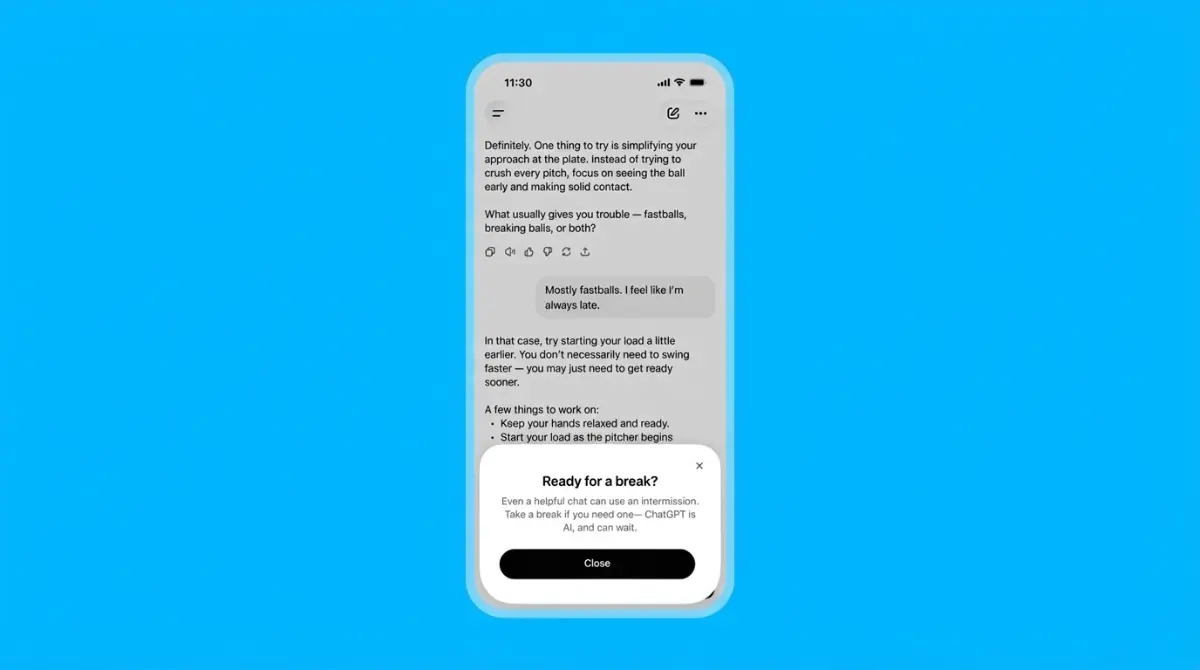
The release marks an intentional shift in how conversational software handles adolescent users. ChatGPT for Teens activates automatically when an account holder is identified as under eighteen years of age through age prediction models or verified account details. Alongside the admissions planner, OpenAI introduced interactive academic study tools, including automated flashcard generators, practice quizzes with step-by-step feedback, and multi-page document scanning through smartphone cameras. Rather than serving as an open-ended conversational engine, the interface implements age-appropriate safety guardrails, quiet hours to limit late-night usage, and optional parental connection dashboards. The company stressed that the platform operates strictly as an organizational assistant rather than an admissions decider, leaving school selections to students, parents, and licensed school staff. How major platforms structure consumer interfaces for specialized tasks was detailed when Google updated interface frameworks across mobile applications.
Automating Admissions Logistics Without Dictating Choices
The core objective of ChatGPT College Planner is eliminating logistical confusion without overstepping into personal decision-making. High school seniors often apply to eight or ten distinct institutions, each demanding different standardized test scores, letters of recommendation, supplemental essays, and application deadlines. Missing a single cutoff date can ruin a student admission chances.
The tool allows students to input their prospective college lists and receive structured timeline calendars. The system maps out early decision deadlines, regular application cutoffs, and scholarship submission windows. If an applicant qualifies for application fee waivers, the platform outlines the verification steps required by individual testing boards. For students navigating financial aid packages, the software explains complex terminology such as subsidized versus unsubsidized student loans, expected family contributions, and work-study grants. By translating bureaucratic financial terms into plain language, the software helps students understand the long-term debt commitments of higher education. Automated administrative coordination reflects broader software trends we tracked when Thally introduced automated knowledge tools for teams.
Interactive Study Enhancements and Multimodal Document Scans
Beyond college admissions, the update modernizes daily study habits through interactive study widgets. Students can upload class notes, slide decks, or syllabus PDFs to generate customizable digital flashcard decks. The cards incorporate spaced repetition algorithms, resurfacing challenging vocabulary terms or scientific formulas right as memory retention begins to fade.
The system also generates interactive practice quizzes directly from uploaded homework materials, walking students through incorrect answers step-by-step rather than simply displaying the final solution. On mobile devices running iOS, OpenAI added continuous multi-page document scanning, allowing students to photograph handwritten notebook pages and bind them into a single PDF for analysis. This continuous scan feature bridges physical paper assignments with digital revision tools. The push to convert static study materials into interactive digital formats matches interface developments we followed when Google Docs added native markdown file support.
Parental Controls and Adolescent Privacy Boundaries
Deploying conversational software to teenagers introduces delicate parenting and privacy questions. Parents worry about screen addiction, exposure to inappropriate discussions, and whether software assistants encourage academic shortcuts. Conversely, teenagers demand personal privacy when writing journals, asking health questions, or exploring personal interests.
OpenAI resolved this tension by creating parental controls that prioritize behavioral boundaries over invasive surveillance. Parents who link their accounts to a teen profile can configure quiet hours that block ChatGPT access during sleeping hours or homework windows. However, the system does not allow parents to read or monitor private chat transcripts. If an adolescent expresses thoughts of self-harm, violence, or dangerous activities, the system triggers safety notifications to parents and provides direct links to crisis counseling resources. Conversations are held to stricter content filters, suppressing adult themes, dangerous chemicals, and hate speech. The public scrutiny surrounding youth privacy mirrors issues we analyzed when Meta settled multi-billion dollar lawsuits over youth safety features.
The Ghostwriting Dilemma in Admissions Essays
The launch of a dedicated college planner reopens heated debates regarding academic integrity and personal admissions essays. Admissions committees at top universities evaluate personal statements to gauge an applicant authentic voice, resilience, and creative thinking. If students use conversational models to draft essays, the application process turns into an automated contest between competing software algorithms.
OpenAI added explicit safeguards to prevent the College Planner from ghostwriting personal statements. When an applicant asks the software to write a college admissions essay, the system refuses the prompt. Instead, the model acts as a writing coach: asking clarifying questions about the applicant experiences, highlighting grammatical errors, and suggesting organizational improvements without generating full paragraphs for the student to copy. Teaching students how to express their own stories preserves personal authenticity while improving basic writing skills. How academic institutions handle automated writing tools was explored in our analysis of judicial and academic systems restricting automated reasoning.
Age Prediction Models and Account Enforcement
Enforcing teen protections requires identifying which users are actually minors. In the past, children bypassed internet age restrictions by clicking a button claiming they were eighteen or typing a false birth year. To close that loophole, OpenAI combines user-provided dates of birth with internal age-prediction algorithms.
The system inspects conversational patterns, vocabulary choices, and platform interaction habits to estimate whether an account belongs to a minor. If the software predicts that an unverified profile belongs to someone under eighteen, it moves the user into ChatGPT for Teens automatically. Adults placed into teen accounts by mistake can submit official identity documents through account settings to verify their age and remove restrictions. When an enrolled teen reaches their eighteenth birthday, the system transitions the account into standard adult mode, ending linked parental controls. Managing online identity verification reflects broader regulatory trends we detailed when LinkedIn rolled out verification tools to eliminate unauthorized accounts.
Equalizing Guidance Resources in Secondary Education
The societal value of the College Planner lies in democratizing educational counseling. Across American public schools, the average student-to-counselor ratio hovers near 400 to 1, leaving school staff with only minutes per semester to assist individual students with complex application paperwork. First-generation college applicants, whose parents never navigated the modern university system, frequently miss financial aid deadlines or fail to apply for fee waivers simply because no adult explained the administrative process.
Providing a free, reliable administrative guide on smartphone screens helps first-generation students navigate college admissions with confidence. By tracking scholarship deadlines and explaining financial award letters, the software prevents talented students from dropping out of the application process due to paperwork confusion. While software cannot replace the encouragement of a dedicated human teacher, it handles the paperwork so human counselors can focus on mentoring. How digital tools bridge systemic resource deficits across public systems was highlighted when we reported on software systems coordinating citizen claims in public agencies.
The Next Phase of Educational Technology
The introduction of ChatGPT College Planner and dedicated teen features demonstrates that conversational software is maturing from an open-ended curiosity into a structured utility tailored for specific life stages. By building deliberate safety guardrails, parental controls, and anti-ghostwriting rules into the platform, OpenAI is seeking to prove that generative technology can support adolescent development responsibly.
The ultimate test of the system will unfold over the upcoming admissions cycle. If the software helps thousands of first-generation students submit applications, win scholarships, and secure financial aid, it will cement its position as an essential educational tool. As classrooms adapt to a world shaped by intelligent software, tools that teach students how to organize their time, study with discipline, and take ownership of their academic futures will provide lasting value for the next generation of learners.
Read More on TechRobust:

Goriola Ayankoya
 LinkedIn
Goriola Ayankoya
Expertise:Consumer Hardware, Smartphone Trends, Gadget Reviews, Breaking Tech News, Mobile Ecosystems
Award:TechRobust Hardware Reporter of the Year 2025
Goriola is a Staff Writer and Reporter specializing in consumer technology, breaking tech news, and hands-on hardware analysis. He tracks fast-paced mobile developments, reviews modern gadgets, and unpacks product launches to give readers clear, practical insights into everyday consumer tech.