


Microsoft AI Outperforms Doctors in Clinical Tests
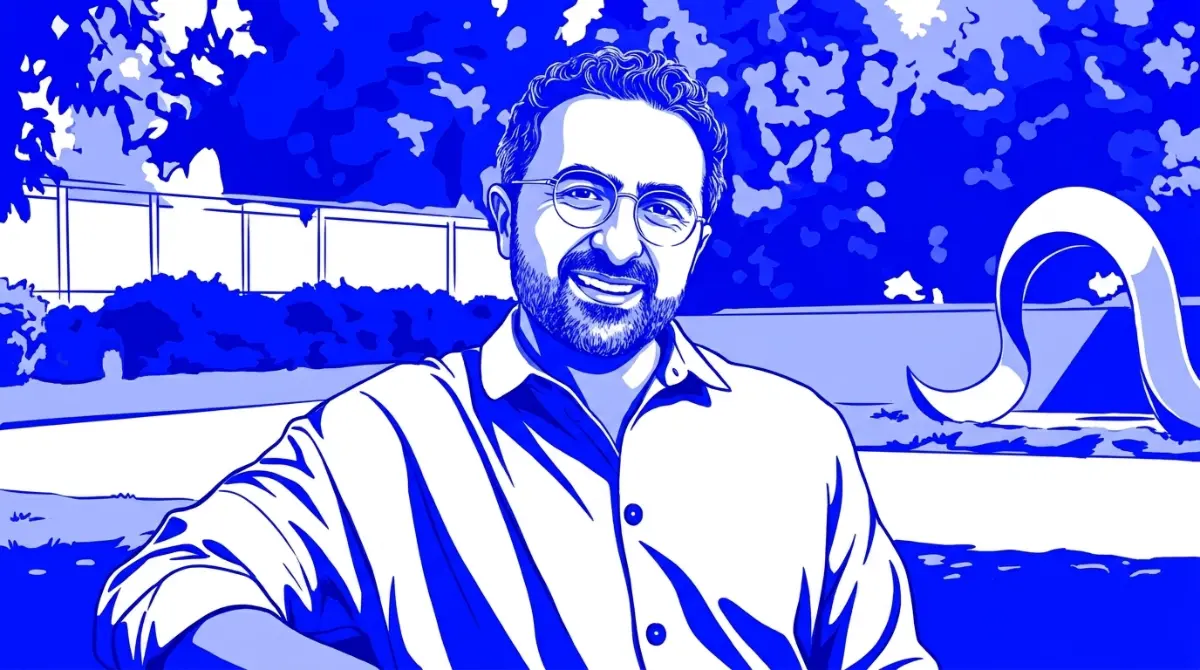
Microsoft AI chief executive Mustafa Suleyman announced that new diagnostic software correctly identified complex medical illnesses more than twice as often as human generalist physicians in clinical simulations, accelerating corporate ambitions to build medical superintelligence for hospitals worldwide.
Goriola Ayankoya | · 11 min read

Diagnostic medicine in busy emergency rooms operates under intense time pressure. Doctors in outpatient clinics often have ten minutes to listen to a patient, review laboratory results, eliminate competing possibilities, and decide on a treatment plan. When a patient arrives with common ailments like strep throat or an uncomplicated ankle sprain, standard clinical guidelines work well. The medical system falters when patients present with overlapping symptoms from rare autoimmune disorders, atypical infections, or early-stage cancers. Diagnostic errors affect millions of hospital admissions annually, leading to delayed therapies and preventable deaths. Tech corporations have spent years promising that computer algorithms would fix this clinical blind spot. On Thursday, October 22, 2026, Microsoft stated that this milestone has arrived. Microsoft AI chief executive Mustafa Suleyman announced that the company new diagnostic software system outperformed licensed generalist physicians on difficult clinical evaluations. In study findings published in the journal Science, the software identified the correct condition more than twice as often as human practitioners during simulation tests. The findings land as computational teams develop virtual cell modeling drives to test biological systems.
The announcement represents an aggressive corporate declaration from Redmond. Suleyman framed the achievement as an initial stride toward what he terms medical superintelligence. The former DeepMind co-founder described healthcare as the single most meaningful application of computing, arguing that clinical software will soon give every human access to expert medical knowledge. Independent clinical observers and medical informatics researchers urge caution. While the software scored high marks on standardized examination vignettes, simulated case studies differ from chaotic hospital wards. In real clinics, patients forget their medical histories, describe symptoms poorly, and show vital signs that contradict standard textbooks. Technology analysts also observed that much of the diagnostic lift comes from the general reasoning capabilities of underlying language models rather than Microsoft proprietary interface code. The debate mirrors commercial questions we followed when clinics adopted hospital diagnostic error systems to catch physician oversights.
The Science Study and Simulation Test Architecture
Evaluating the Microsoft claim requires looking at the experimental parameters published in Science. The research team tested the system against human generalist physicians using hundreds of complex, multi-system case histories drawn from medical school archives and specialty referral files. These were not everyday cases of seasonal influenza or mild hypertension. The test cohort centered on hard diagnostic puzzles: rare genetic syndromes, multi-organ inflammatory disorders, and atypical presentations of infectious diseases that stump experienced family doctors.
Each clinical case presented a patient age, biological sex, reported symptoms, vital signs, physical examination notes, and initial laboratory panels. Human doctors and the software received the exact same textual records. The participants were asked to generate a differential diagnosis, rank the top three suspected conditions, and recommend follow-up diagnostic tests. The software identified the correct diagnosis at more than double the frequency of practicing generalists. In certain challenging sub-categories, the algorithm matched the diagnostic accuracy of specialist panels. The software excelled at connecting obscure symptoms that human generalists rarely encounter in daily practice, such as linking specific joint pains with unusual retinal pigment variations to identify rare systemic conditions. The technical mechanics of running automated medical software match systems we monitored during state approvals for autonomous clinical care.
The Wrapper Debate: Base Models Versus Microsoft Systems
Behind the headline claims sits an active debate inside the artificial intelligence community regarding software architecture. Independent computer scientists examining the study data noted that Microsoft proprietary medical system acts primarily as a prompt orchestrator and user interface wrapper. The raw diagnostic reasoning was powered by large multi-stage reasoning models trained on medical literature, clinical records, and textbook repositories.
When researchers stripped away the Microsoft interface layers and tested the underlying foundation models directly, the base models produced similar diagnostic accuracy. The finding suggests that the breakthrough belongs to broader advances in reinforcement learning and step-by-step reasoning rather than a unique medical algorithm created by Microsoft engineers. Medical informatics specialists point out that general reasoning models trained on medical databases have developed strong abilities to cross-reference diagnostic criteria. Microsoft contribution centers on building workflow integrations: formatting electronic health record data, managing secure patient privacy perimeters, and presenting recommendations in formats that doctors can review quickly. The corporate effort to package advanced silicon and model software matches infrastructure investments like Microsoft custom server silicon investments.
Comparing Diagnostic Accuracy and Clinical Operating Profiles
| Diagnostic Dimension | Human Generalist Physicians | Microsoft AI Diagnostic System |
|---|---|---|
| Complex Case Accuracy | Baseline clinical accuracy in generalist trials | More than double the accuracy of human generalists |
| Rare Condition Recall | Limited by individual memory and specialty exposure | Access to thousands of documented medical pathologies |
| Diagnostic Latency | Hours to days involving outside specialist referrals | Under fifteen seconds per simulated patient file |
| Physical Examination | Direct hands-on palpation, auscultation, and sensory checks | Zero direct physical interaction with human tissue |
| Legal Malpractice Liability | Licensed personal accountability backed by insurance | Unsettled corporate liability shielded by disclaimers |
The comparison matrix illustrates the operational division between human practitioners and automated diagnostic software. While the software demonstrates superior memory recall across rare conditions, it lacks the tactile sensory capabilities required to examine human bodies. Human physicians remain indispensable for verifying physical signs, interpreting emotional distress, and guiding patients through difficult treatment choices. Clinical testing standards across targeted biological platforms were analyzed in our coverage of cancer interception therapies.
Mustafa Suleyman and the Long March to Medical Superintelligence
Mustafa Suleyman has pursued medical automation for more than a decade. When he co-founded DeepMind in London in 2010, one of the company earliest public initiatives was DeepMind Health. That effort led to partnerships with the National Health Service to build Streams, a mobile alert software for acute kidney injury, as well as neural networks that analyzed retinal eye scans for macular degeneration.
After leaving DeepMind and co-founding conversational assistant startup Inflection AI, Suleyman joined Microsoft in early 2024 to lead its unified consumer and research divisions. At Microsoft, he has directed billions in research spending toward medical applications. Suleyman views clinical diagnostic tools as the natural testing ground for machine reasoning. Unlike creative writing or casual chat, medicine provides objective measures of success: a diagnosis is either clinically correct or incorrect, and a treatment plan either helps a patient recover or fails. Suleyman argues that medical superintelligence will not replace doctors, but will serve as an unblinking diagnostic copilot that eliminates human oversight. The broader questions surrounding computing intelligence were examined in our coverage of Bill Gates warning of medical labor changes.
The Gap Between Simulated Vignettes and Physical Examination
Practicing physicians caution that excelling at written test cases is vastly different from treating live patients. Standardized test vignettes present clean, organized information. The text clearly states that a patient has a specific rash, an elevated white blood cell count, and a family history of autoimmune thyroid disease. In a written test, the relevant clues are already selected, edited, and formatted for review.
In physical hospital rooms, medicine is messy and unstructured. A patient might complain of severe stomach pain when the underlying cause is an atypical heart attack. Another patient might minimize chest tightness because they fear missing work, while exaggerating minor knee discomfort. A computer algorithm reading an electronic medical record can only analyze what a human clinician typed into the computer. If a tired triage nurse fails to notice subtle skin discoloration, or if an elderly patient forgets to mention an herbal supplement that interacts with prescription drugs, the algorithm receives corrupted data. A machine cannot palpate an abdomen to detect muscle rigidity, smell the fruity breath of diabetic ketoacidosis, or observe subtle neurological facial drooping. Physical clinical support systems were explored in our analysis of nursing room hardware automation.
The Malpractice Liability Void and Regulatory Clearance
Beyond technical hurdles, deploying autonomous diagnostic software inside commercial hospitals creates unprecedented legal complications. If a human physician misdiagnoses a patient, the patient can file a medical malpractice lawsuit. The doctor carries professional malpractice insurance, and state medical boards can revoke practicing licenses for gross incompetence.
If an algorithm recommends an incorrect treatment plan that results in patient harm, who bears legal responsibility? Microsoft commercial software terms include explicit liability disclaimers stating that the software is an informational aid, not a licensed medical practitioner. If a hospital board insists that final responsibility rests with the attending doctor, physicians will hesitate to follow algorithmic suggestions that run counter to their personal clinical instincts. Conversely, if a doctor overrides an algorithm that later turns out to be correct, the doctor could face lawsuits for ignoring the computer recommendation. The Food and Drug Administration enforces strict clinical trial standards for software acting as a medical device. Getting commercial clearance for an autonomous diagnostic engine requires multi-year randomized clinical trials showing that patient health outcomes improve in real hospital settings. Regulating clinical automation matches challenges we tracked when insurers debated medical billing automation concerns.
Addressing Clinician Burnout and Fragmented Practice
The primary operational argument for adopting diagnostic software is the crisis of physician burnout. General practitioners, pediatricians, and internal medicine doctors are drowning in administrative duties. Studies show that for every hour doctors spend face-to-face with patients, they spend two hours entering billing codes, completing insurance prior authorizations, and documenting electronic health records.
This administrative load forces doctors to shorten appointment times. In many clinics, doctors have less than fifteen minutes per patient, making it easy to overlook subtle warning signs of rare illnesses. Diagnostic software can act as a secondary safety shield. While the doctor listens to the patient, the software can ingest background health records, review recent blood test trends, and suggest three diagnostic paths that the doctor might not have considered. If an algorithm helps a tired family doctor spot an unusual neurological condition six months earlier, the patient gains life-saving treatment time. Commercial efforts to restructure primary healthcare models were detailed in our review of managed clinic hospital networks, while laboratory testing advances were explored in our report on liquid biopsy diagnostic platforms.
Data Privacy Fences and Clinical Record Security
Training and running diagnostic models requires access to vast volumes of sensitive human health records. Medical records contain intimate personal details: psychiatric notes, genetic markers, infectious disease histories, and billing information. If patient health files are exposed to public cloud environments or used to train public models, hospitals face severe financial penalties under the Health Insurance Portability and Accountability Act and European data privacy statutes.
Microsoft emphasized that its clinical software operates within isolated, HIPAA-compliant cloud tenancies. Patient identifiers are stripped from prompt streams, and clinical queries are processed inside secure enclaves that purge data once diagnostic suggestions generate. The company provides contractual guarantees that patient files are never pooled into public training sets or shared with third-party advertisers. Maintaining these security fences is mandatory for winning enterprise contracts with major hospital groups like Kaiser Permanente, Mayo Clinic, and Cleveland Clinic. Advanced software architectures for operating rooms were detailed in our review of robotic surgery navigation systems.
The Global Shortage of Specialized Medical Knowledge
While Western medical centers debate the ethics of diagnostic software, developing economies view clinical algorithms as an urgent public health necessity. Across sub-Saharan Africa, South Asia, and rural Latin America, patients face an acute shortage of trained doctors. In many regions, the ratio of physicians to citizens is less than one doctor per ten thousand people.
In rural clinics staffed solely by community health workers or junior nurses, access to specialist diagnostic knowledge is nonexistent. A patient with an unusual abdominal tumor or a rare autoimmune flare must travel hundreds of miles over poor roads to reach a regional teaching hospital. Deploying diagnostic software on mobile tablets allows rural health workers to enter patient symptoms, upload photographs of skin lesions, and receive differential diagnoses that match metropolitan teaching hospitals. Even an imperfect algorithm that flags high-risk patients for urgent regional transfer can save thousands of lives in medically underserved communities. Algorithmic software control over raw compute resources was examined in our report detailing Meta research on model orchestration.
The Future Balance Between Human Care and Machine Logic
The study published in Science demonstrates that machine reasoning has crossed an important diagnostic threshold. By outperforming human generalists on complex simulation cases, Microsoft has proven that software can process medical information with remarkable depth. The transition from simulated benchmarks to bedside care will take years of careful clinical testing, legal reform, and regulatory scrutiny.
Medical practice is not merely an intellectual puzzle to be solved with probability scores. Medicine is a human relationship founded on empathy, physical touch, and moral responsibility. A computer can identify a rare condition on a digital screen, but it cannot hold a grieving family hand, comfort a frightened child before surgery, or navigate the painful choices of end-of-life care. The path forward is not replacing human doctors with automated machines, but uniting them: giving compassionate human doctors the computational support needed to practice medicine at their very best. As Mustafa Suleyman and Microsoft continue chasing medical superintelligence, the ultimate measure of their work will not be test scores in scientific journals, but whether everyday patients live longer, healthier lives.
Read More on TechRobust:
Goriola Ayankoya
 LinkedIn
Goriola Ayankoya
Expertise:Consumer Hardware, Smartphone Trends, Gadget Reviews, Breaking Tech News, Mobile Ecosystems
Award:TechRobust Hardware Reporter of the Year 2025
Goriola is a Staff Writer and Reporter specializing in consumer technology, breaking tech news, and hands-on hardware analysis. He tracks fast-paced mobile developments, reviews modern gadgets, and unpacks product launches to give readers clear, practical insights into everyday consumer tech.