


Amazon Launches Colorful 2026 Kindle Lineup With Aluminum
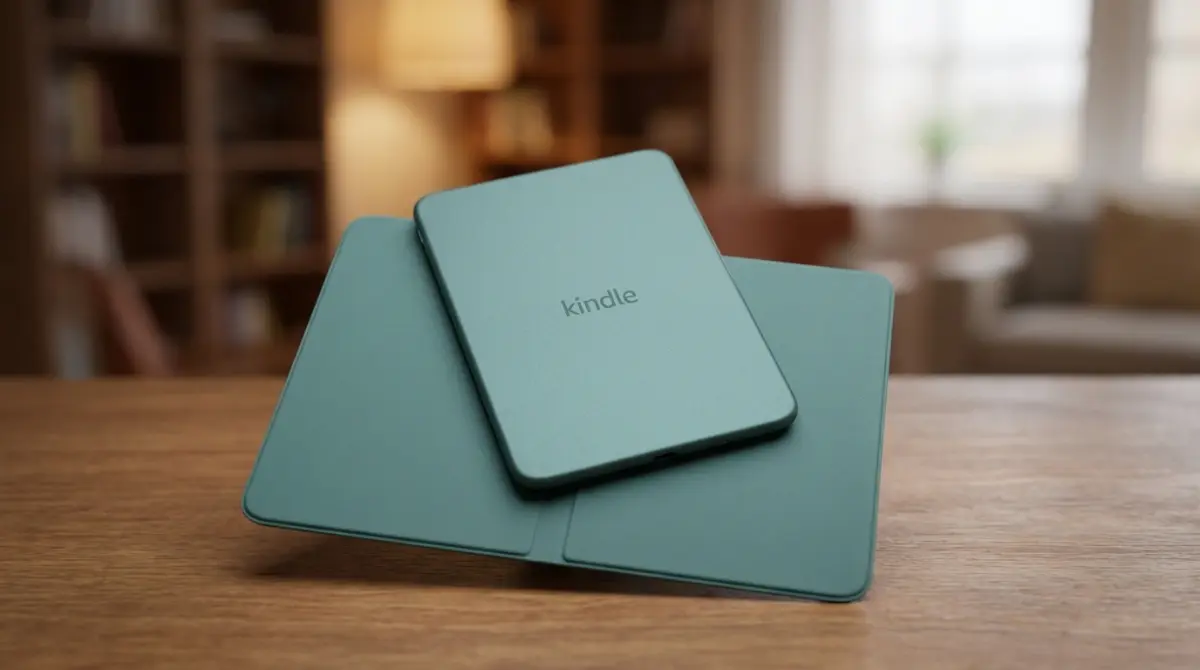
The updated reading devices feature edge-to-edge flush screens, wrap-around colorful plastic shells, optional aluminum bodies, and user-replaceable batteries designed strictly to satisfy incoming European hardware regulations.
Goriola Ayankoya | 4 Oct. 2026 · 8 min read

Amazon completely redesigned its reading hardware for the 2026 holiday season. The technology giant released three separate tiers of the new Kindle, overhauling the physical materials, the screen architecture, and the internal components. This hardware refresh represents the most aggressive physical change to the product line in years. The company ditched the boring, utilitarian grey plastic of past generations in favor of bright colors, premium aluminum backings, and flat glass screens that eliminate the dust-catching raised borders of older models.
The visual presentation is the first thing buyers will notice. The entry level device now features colors that wrap entirely around the edges and onto the front bezels. A user holding the device sees the Alpine Sky blue, Seaglass Green, or Ube purple finish from every viewing angle. This full body color application makes the hardware feel less like a cheap computer accessory and more like a carefully considered physical book cover. By moving to a flush front display, the engineering team shaved millimeters off the total thickness. The resulting device slips easily into tight jacket pockets or small travel bags without snagging on the fabric.
This design overhaul attempts to justify a steep price increase. The base model now demands $150 at retail checkout. Just two years ago, the entry level version cost $110. The parent company quietly pushed a $40 price hike back in August, blaming rising memory chip costs. The new 2026 pricing structure locks that higher base rate in permanently. We observed a similar strategy of raising prices through premium material upgrades when reviewing the Apple M6 Mac Mini price increase. Technology firms are forcing consumers to pay higher entry fees by refusing to sell cheap, bare-bones options.
The Premium Aluminum Upgrades
For buyers willing to spend more cash, Amazon introduced an aluminum chassis option. If a customer upgrades the base device from 16GB of storage to 32GB of storage, the outer shell swaps from colorful plastic to cool metal. This metal backing immediately makes the reader feel heavy and highly durable in the hand. The $190 price tag for the metal version positions it uncomfortably close to the mid-tier options, forcing buyers to make difficult choices regarding their exact hardware preferences. When companies introduce expensive metal finishes, they frequently warn users about scratching the surface with third party accessories. We heard similar defensive warnings regarding physical durability when the Apple hardware boss stated that iPhone screen protectors ruin displays and interfere with optical sensors.
The Paperwhite model occupies the middle tier at $200. This version retains the 7-inch monochrome screen size and the IPX8 water resistance rating. Readers can drop this specific device into a bathtub or a freshwater swimming pool without destroying the internal circuitry. The battery inside the Paperwhite is massive, delivering up to twelve weeks of reading time on a single charge. For users who demand absolute premium features, the Paperwhite Signature Edition costs $250. That extra $50 buys an aluminum back, an auto-adjusting front light, double-tap page turning features, and compatibility with wireless charging docks. The push toward uniform wireless charging protocols matches the standardization we tracked when Apple backed the Qi2 wireless charging standard for smartphones.
Bringing Color to the Screen
The most expensive addition to the lineup is the Kindle Colorsoft. Priced at $290, this 7-inch device utilizes color electronic ink. While the company released a larger color notepad earlier this year, this is the first time the technology appears in the smaller, traditional reader size. The Colorsoft allows readers to view comic books, graphic novels, and full color book covers exactly as the publishers intended. Users can also highlight text using five distinct bright colors, making the device highly practical for students referencing academic texts.
Adding color to electronic ink requires heavy battery usage. The Colorsoft drops the maximum battery life down to eight weeks. If a buyer wants the Signature Edition of the Colorsoft, which includes the aluminum body and the wireless charging capabilities, the price climbs to a massive $320. Asking consumers to spend over three hundred dollars for a single-purpose reading tablet tests the limits of brand loyalty. We recently noted intense consumer resistance to extreme hardware pricing when nobody wanted the iPhone 18 Pro and pre-orders cratered. High prices demand flawless hardware execution.
Right to Repair and Battery Replacement
The most shocking hardware change completely ignores the screen and the colors. Amazon confirmed to The Verge that these new reading devices feature user-replaceable batteries. For over a decade, the company glued its reading tablets shut. If the internal battery died after four years, the consumer was forced to throw the entire device into the trash and buy a new one. The sudden reversal regarding internal access has absolutely nothing to do with corporate generosity. It is a strict legal compliance measure dictated by foreign governments.
The European Union recently passed strict laws requiring manufacturers to build consumer electronics with accessible batteries. If a company wants to sell hardware within European borders, they must provide a way for average users to swap the power cell without requiring specialized thermal equipment or destructive prying tools. Rather than design a separate model just for Europe, Amazon applied the change globally. This represents a massive victory for the consumer repair movement. When machines live longer, fewer toxic metals end up in global landfills. The physical engineering required to build a water-resistant device with a replaceable battery is extremely difficult. We documented similar physical engineering struggles recently when looking at the Huawei Mate XT 2 Ultimate Design Tri Fold chassis limitations.
The Bluetooth Clicker Accessory
Alongside the tablets, the manufacturer released a new hardware accessory called the Kindle Click. This small plastic remote connects to the reader via Bluetooth and allows the user to turn pages without physically touching the glass screen. The accessory costs $35. The engineering team designed this remote specifically for users reading on a treadmill, running on an elliptical machine, or trying to read while keeping their hands bundled inside warm pockets during winter.
The remote relies on the upgraded processing speed found across the entire 2026 range. Amazon claims the new internal processors open books and turn pages thirty percent faster than the previous generation. Faster processing ensures the screen reacts instantly when the user presses the Bluetooth remote button. A lag between the button press and the actual page turn would ruin the reading rhythm completely and frustrate the user.
Storage Limitations and Media Size
While the hardware looks fantastic, the storage options remain somewhat restrictive. The base models start at 16GB of internal space. For a user downloading standard text novels, 16GB will hold thousands of books. However, the introduction of the Colorsoft encourages users to download graphic novels, comic books, and heavily illustrated magazines. These visual files are massive compared to pure text. A comic book collector will fill 16GB of storage very quickly, forcing them to constantly delete older files to make room for new purchases.
Buyers looking to read visual media must upgrade to the 32GB models, which forces them into the higher pricing tiers. This storage math is a common tactic used by technology companies to push consumers toward the more expensive versions of their hardware. The restriction is artificial, as flash memory chips are incredibly cheap to manufacture at this capacity.
The Return of Single Purpose Tech
The current hardware release cycle reveals a strange consumer desire to step backward. While companies push massive automated software features into every available screen, consumers are spending heavily on single-purpose devices. An electronic reader only does one thing. It cannot browse social media effectively, and it cannot stream high definition movies. That strict limitation is exactly why people buy it. They want a break from notification anxiety and endless scrolling.
This exact trend appeared elsewhere in the broader electronics market this week. Bose announced a brand new set of premium wired earbuds. After spending years convincing the public to abandon headphone jacks and buy expensive wireless Bluetooth pods that require constant charging, manufacturers are finally realizing that many users simply prefer the reliability of a physical wire. A wired headphone never runs out of battery during a long flight. A dedicated reading tablet never interrupts a chapter with a loud calendar notification. The public is exhausted by hyper-connected smart devices.
Selling physical reliability is highly lucrative. Amazon does not release exact sales metrics for its reading hardware, but executives claimed at the media preview that device sales hit their highest volume in a decade last year. Recording three straight years of double-digit growth proves that the demand for isolated, focused hardware is climbing. The company is betting heavily that the new flush screens, aluminum shells, and colorful plastic options will convince owners of older, functioning devices to finally upgrade.
The base model is currently sitting on retail shelves, while the Paperwhite and Colorsoft variants begin shipping on October 28. The upcoming holiday shopping data will reveal whether consumers accept the new $150 starting price or decide to keep their older, cheaper models for another year.
Read More on TechRobust:

Goriola Ayankoya
 LinkedIn
Goriola Ayankoya
Expertise:Consumer Hardware, Smartphone Trends, Gadget Reviews, Breaking Tech News, Mobile Ecosystems
Award:TechRobust Hardware Reporter of the Year 2025
Goriola is a Staff Writer and Reporter specializing in consumer technology, breaking tech news, and hands-on hardware analysis. He tracks fast-paced mobile developments, reviews modern gadgets, and unpacks product launches to give readers clear, practical insights into everyday consumer tech.