
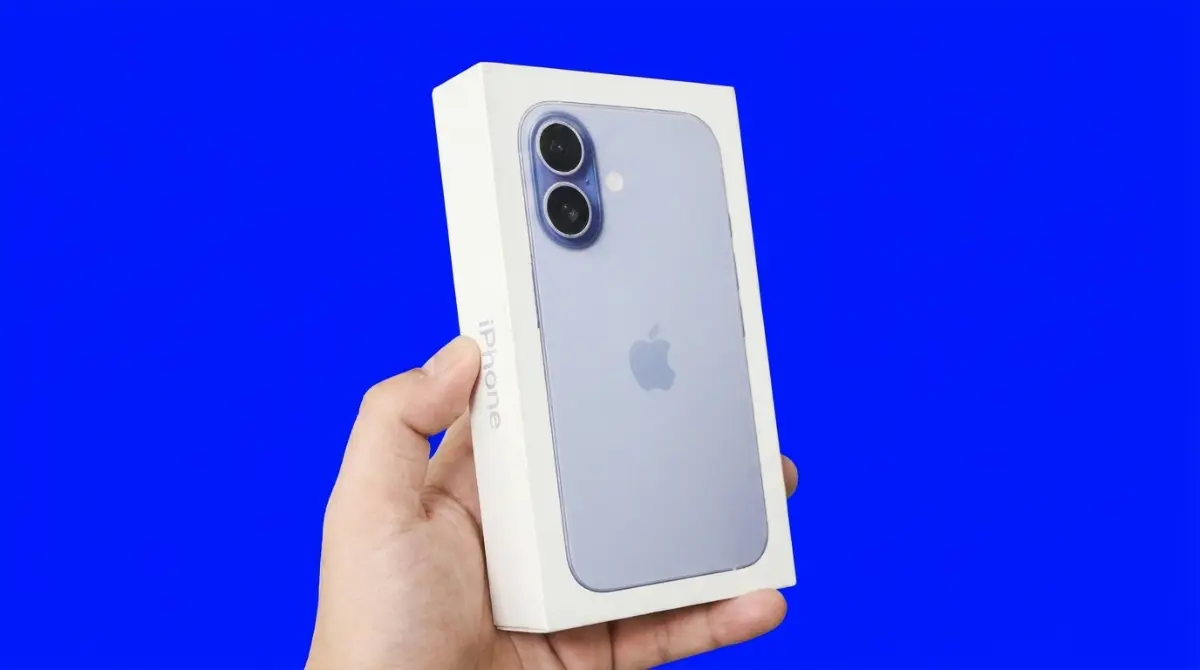


Apple Builds Retail Tool to Scan Boxed iPhones
Apple deployed a diagnostic inspection system across retail stores that uses wireless pads to scan sealed iPhone boxes, verifying internal electronics and components to block return fraud without breaking factory packaging seals or sending clean inventory to secondary warehouses.
Goriola Ayankoya | · 11 min read

Retail return counters represent an expensive vulnerability for consumer electronics makers. Every year, organized theft groups and dishonest shoppers exploit return policies by purchasing expensive smartphones, taking out the real devices, and filling the packaging with molded clay, metal plates, or broken dummy units. The scammers reseal the boxes with counterfeit pull tabs and plastic wrap, returning the package to retail stores for an immediate refund. Store workers previously faced an uncomfortable choice: break the paper seal on every returned box to verify the physical phone inside, or accept the sealed box on faith. Breaking the factory seal meant a genuine, unopened phone could no longer be sold as new, forcing the store to ship the inventory to off-site refurbishment centers at an immediate financial loss. Apple moved to shut down that retail vulnerability. Technology reports on Sunday, October 25, 2026, confirmed that Apple began deploying a specialized diagnostic hardware device across Apple Store locations worldwide. The tool scans an iPhone through its sealed cardboard box, running internal system diagnostics and component verification without breaking packaging seals. The deployment expands wireless retail management tools, building on wireless charging engineering we reviewed in our analysis of Apple MagSafe and Qi2 wireless standards.
The new inspection machine builds on Apple proprietary Presto retail platform. Mark Gurman reported that the inspection devices began arriving at retail stores earlier this month and are now operational across major metropolitan outlets. Presto debuted in late 2023 as an automated shelf system designed to update iOS on boxed iPhones before purchase. Store staff place stacks of unopened boxes onto specialized pads, which wirelessly power up the phones, download the newest operating system patch via wireless signals, and shut the devices down. The updated inspection tool repurposes that wireless radio pipeline to combat organized retail fraud. When a customer brings a sealed iPhone box to a return specialist, the box rests on the scanner pad. The machine wakes the phone, establishes a cryptographic handshake with the internal Secure Enclave, confirms serial numbers, and checks that every internal module: including camera sensors, battery cells, and logic boards: is present and fully functional. The retail security push reflects wider corporate measures to safeguard high-margin product sales, continuing corporate strategies we examined when Apple adjusted corporate revenue margins.
The Rising Problem of Boxed Return Fraud
To grasp why Apple engineered custom scanning hardware for retail counters, one must look at the industrial scale of consumer return fraud. The National Retail Federation reported that retail merchandise returns cost American merchants over $740B in lost inventory and administrative overhead last year, with fraudulent returns accounting for more than $100B of that total.
Smartphones are the top target for return scammers because they carry four-figure price tags and liquidate quickly on street markets. Fraud rings perfected the art of package counterfeiting. Overseas suppliers manufacture replica Apple paper tear-strips, holographic labels, and thin shrink-wrap films that mimic factory packaging. Scammers buy a $1,200 iPhone on a credit card, use a razor blade to remove the bottom seal, slide out the real smartphone, insert a metal slug matching the exact phone weight to the gram, and glue the box shut. When the box returns to a busy retail store, a customer service worker weighing the box on a postal scale detects zero physical difference. If the worker issues a cash or card refund without opening the box, the fraud ring walks away with a stolen phone and a full cash refund. If the store puts the resealed box back on retail shelves, an unsuspecting customer later buys the box, opens it at home, and finds a block of wood or a broken handset, sparking customer anger. Protecting product perimeters against deceptive attacks matches challenges we documented when machine tools lowered barriers for digital intrusions.
How the Inspection Scanner Works Through Paper and Foil
The technical achievement behind Apple inspection pad lies in near-field radio telemetry and low-power capacitive coupling. A standard iPhone box contains several layers of cardboard, paper instruction inserts, and a braided USB-C charging cable, yet contains zero transparent viewing windows.
Apple engineered the scanner to penetrate that packaging using targeted wireless frequencies. The inspection pad houses three distinct transmitter layers:
- Inductive Power Resonators: Specialized magnetic coils that couple with the MagSafe receiver ring inside the boxed iPhone, sending an electrical burst that wakes the device from deep factory sleep without fully charging the battery.
- High-Frequency NFC Transceivers: Short-range antennas that communicate with the iPhone internal NFC controller, triggering a diagnostic firmware boot sequence.
- Capacitive Component Probes: Sensor arrays that measure electromagnetic capacitance through the box bottom, verifying that the physical density matches an authentic phone rather than lead ballast or ceramic tiles.
Once the phone wakes inside the sealed carton, the diagnostic system executes an automated check. The internal operating system runs a self-test of all onboard hardware buses: pinging the front camera, rear periscope sensors, display controller, and battery memory chip. The phone transmits an encrypted diagnostic certificate back to the counter scanner over near-field channels in under ten seconds. If an internal component is missing, or if the box contains an empty plastic shell, the retail terminal screen flashes red, alerting the specialist to inspect the package manually. Retail hardware monitoring aligns with device tracking developments we evaluated in our review of Google Pixel hardware design changes.
The Heavy Financial Drag of Open-Box Inventory
Before deploying this inspection pad, Apple retail stores suffered substantial financial losses on legitimate customer returns. Apple maintains a generous fourteen-day return policy, allowing shoppers to return devices for any reason. Many customers purchase an iPhone as a gift, change their minds, and return the unopened box with original factory seals intact.
To guard against return fraud, retail store policies previously required specialists to unseal boxes to inspect physical contents. The moment an employee breaks that paper pull tab, the phone loses its brand-new retail status. Apple policy forbids selling unsealed hardware as brand-new products. The returned phone had to be classified as open-box inventory, routed into brown transit cartons, and trucked to regional distribution warehouses for testing, repackaging, and eventual sale at discounted rates through Apple Certified Refurbished channels. Shipping, testing, and discounting returned devices costs Apple an estimated $120 to $180 per returned phone. With the new scanner pad, an employee verifies the contents through the sealed box. The unbroken package goes straight back into store inventory drawers, ready for immediate sale to the next retail customer. Removing open-box shipping overhead saves Apple tens of millions in annual retail operating expenses. Hardware supply decisions reflect commercial choices we tracked when evaluating the iPhone flagship hardware review.
Comparing Retail Return Processing Methods
| Inspection Method | Verification Speed | Packaging Impact | Fraud Detection Accuracy | Inventory Outcome |
|---|---|---|---|---|
| Apple Wireless Presto Pad | Under 15 seconds | Zero seal damage; stays mint | 99.9% hardware cryptographic check | Returned to stock as brand-new |
| Manual Knife Box Opening | 2 to 4 minutes | Permanent destruction of paper seal | High for visual items, poor for internal chips | Sent to warehouse for refurbishing |
| Postal Scale Weight Check | 5 seconds | Zero seal damage | Very poor: easily fooled by metal ballast | High risk of stocking counterfeit boxes |
| X-Ray Postal Scanners | 30 to 45 seconds | Zero seal damage | Shows physical shapes, cannot check software | Expensive machinery unfit for retail counters |
The comparative data shows why optical and physical checks fail in modern retail. Weighing a box on a postal scale is fast, but counterfeiters match factory weights using steel washers and silicone putty. Manual opening verifies the phone is physically present, but destroys the packaging and still fails to detect whether someone swapped the real camera module for a broken third-party part. Apple wireless pad verifies physical presence and digital component health simultaneously in fifteen seconds. Internal hardware verification methods match teardown protocols we detailed in our iPhone display teardown and hardware evaluation.
Secure Enclave Handshakes and Cryptographic Proofs
The core security element that prevents scammers from spoofing the inspection pad is Apple hardware security architecture. A fraudster might consider placing a cheap Raspberry Pi microcomputer or an Arduino board inside the box, programmed to respond to NFC signals with a fake approval code.
That spoofing tactic fails because the inspection system relies on public-key cryptography tied directly to Apple manufacturing servers. When an iPhone is assembled on factory lines, the Secure Enclave processor generates a unique cryptographic key pair, signing it with Apple root certificate. When the retail inspection pad pings the boxed phone, it sends a randomized cryptographic challenge. The phone Secure Enclave signs that challenge using its private key, returning the signature alongside unique serial hashes for the logic board, display, and camera array. The retail terminal validates the signature against Apple central activation servers in real time. Unless the box contains a genuine, undamaged Apple logic board with factory-matched components, the mathematical handshake fails. Fake radio beacons and microcontrollers cannot forge these cryptographic signatures. Hardware security architecture across mobile devices reflects protections we tracked when Revolut faced data exposures from forged requests.
Activation Lock Audits and Find My Verification
Beyond catching swapped phones, the wireless scanner solves another major headache for retail return counters: iCloud Activation Lock. Apple security rules state that a returned phone cannot be processed if the customer Apple Account remains logged in with Find My enabled. An activation-locked phone cannot be set up by another user, rendering the device useless inventory.
In standard return workflows, if a customer opened a box at home, turned on the phone, signed into their Apple Account, and then neatly resealed the box to return it as unopened, the store worker would accept the package without knowing the phone was locked. Weeks later, when a new buyer opened the box, the phone would demand the previous owner password. The new scanner pad reads the activation state through the box. If the device detects an active Apple Account or an unresolved Find My lock, the retail terminal prompts the store specialist to ask the customer to unlock the device or sign into their account on an iPad to disable the lock before the return clears. This pre-check prevents locked phones from circulating back into retail inventory. Consumer device setup standards were explored in our analysis of hands-on testing of the $2,000 iPhone Duo.
Extending the Presto Fleet Across Global Retail Channels
The introduction of the diagnostic inspection pad represents the second phase of Apple broader Presto retail automation rollout. The original Presto system arrived to solve a different problem: out-of-box software updates. When Apple releases a major iOS version in September, millions of iPhones sitting in sealed inventory boxes carry older software builds, forcing buyers to spend an hour downloading software updates on home Wi-Fi before they can transfer data from old phones.
Presto units update those boxed phones wirelessly on store shelves, ensuring that when a customer cuts open a fresh box, the phone runs the newest operating system update out of the box. By adding diagnostic hardware checks to that wireless architecture, Apple created a multi-purpose retail workstation. Stores can update software, verify hardware health, personalize the initial setup screen with the customer name, and validate returns on the same physical pad. Apple is expanding these machines to authorized third-party retail partners, including Best Buy and mobile carriers like Verizon and AT&T, helping external distributors reduce return fraud across their own retail networks. Corporate patent agreements supporting mobile communications hardware were examined in our review of the Qualcomm patent licensing agreement with Apple.
Expanding to iPads, Watches, and Future Hardware
While the initial rollout targets iPhones, retail engineering documents suggest Apple will adapt the wireless scanning pad for additional product lines. High-end iPads, Apple Watches, and AirPods Max suffer from identical return fraud tactics, with criminals swapping expensive tablets for weighted metal sheets inside sealed retail packaging.
Adapting the technology to iPads requires larger induction coils to match the tablet battery layout, while Apple Watches use existing magnetic charging pucks. As Apple prepares new hardware releases, internal engineering teams are designing future product packaging with wireless diagnostic loops built into factory specifications. Cardboard trays will feature dedicated conductive pathways that guide wireless signals directly to device charging coils, speeding up scanning times and reducing the electrical power needed to wake sleeping devices. Hardware launch roadmaps across consumer devices were detailed in our report on Apple preparing product launch waves.
The Closing Window for Retail Counterfeiting
Apple deployment of its sealed-box inspection scanner marks a decisive turning point in the contest against retail crime. For decades, organized retail fraud rings relied on the physical opacity of cardboard packaging to hide stolen goods and swapped dummy units. Retailers had to choose between absorbing billions in fraud losses or irritating honest consumers with intrusive box-opening policies.
By using near-field power, radio telemetry, and Secure Enclave cryptography, Apple proved that packaging opacity is no longer a defense for counterfeiters. An employee can verify the authenticity and health of a $1,200 smartphone in seconds without cutting a single paper seal. The technology protects retail profit margins, keeps genuine return inventory on sales floors, and ensures that when an everyday customer buys a sealed iPhone, the box contains the genuine article. As wireless diagnostic scanners spread across Apple retail stores, the era of returning a box of clay for a cash refund has officially come to an end.
Read More on TechRobust:

Goriola Ayankoya
 LinkedIn
Goriola Ayankoya
Expertise:Consumer Hardware, Smartphone Trends, Gadget Reviews, Breaking Tech News, Mobile Ecosystems
Award:TechRobust Hardware Reporter of the Year 2025
Goriola is a Staff Writer and Reporter specializing in consumer technology, breaking tech news, and hands-on hardware analysis. He tracks fast-paced mobile developments, reviews modern gadgets, and unpacks product launches to give readers clear, practical insights into everyday consumer tech.