
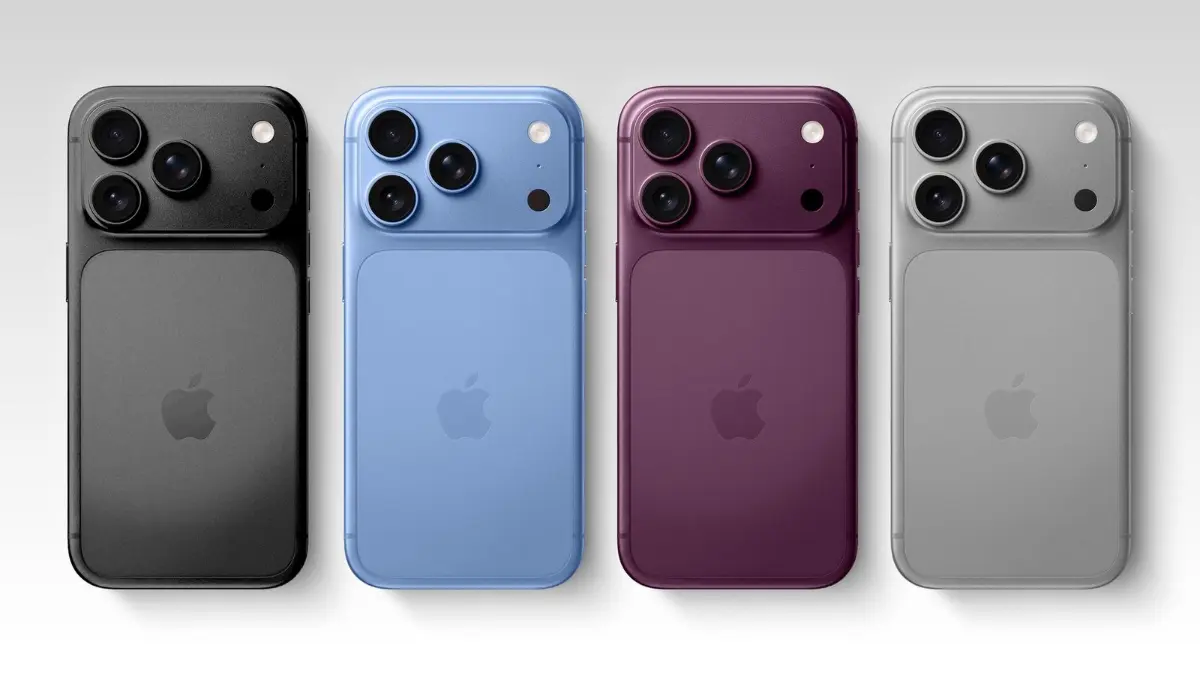


iPhone 18 Pro Max Review: Should You Upgrade Apple Flagship?
Apple pushes the boundary of raw silicon with the iPhone 18 Pro Max, yet questionable battery endurance, thermal throttling under sustained loads, and a high retail price leave buyers wondering if upgrading from older models makes financial sense this year.
Oladipupo Ajayi | 7 Oct. 2026, 10:46 PM · 16 min read

Buying a top tier smartphone used to deliver an immediate, unmistakable thrill. Unboxing a flagship device five years ago meant discovering dramatic changes in screen clarity, camera optics, and physical design. Today, that annual leap has slowed into an era of microscopic refinements and escalating price tags. The iPhone 18 Pro Max sits squarely in the middle of this hardware plateau. Carrying a starting price of $1,199 for the 256GB model and stretching up to $1,599 for the 1TB configuration, this massive glass and metal slab asks consumers for serious capital. It arrives during a tense corporate moment where nobody wanted the iPhone 18 Pro and pre-orders cratered across domestic retail channels. Buyers want to know whether this device represents an authentic mechanical triumph or simply another predictable annual packaging exercise.
The device enters a crowded hardware catalog that now includes experimental form factors. Apple spent the last year splitting consumer attention, simultaneously promoting standard rectangular phones while launching its first folding flagship. When we conducted our initial hands on with the iPhone 18 Pro and $2,000 iPhone Duo, the contrast in design ambition was stark. The folding handset offers radical new daily habits, whereas the Pro Max remains a conservative, towering slab built for power users who demand predictable durability. Deciding whether to spend $1,199 on this phone requires looking past the polished marketing videos and scrutinizing the raw mechanics beneath the glass.
Chassis Architecture and Thermal Structural Choices
Holding the phone reveals subtle adjustments to the outer shell. Apple retained the Grade 5 titanium outer band introduced in previous releases but modified the internal frame. The engineering team fused the outer titanium band to an internal aluminum sub-structure using solid-state diffusion bonding. This combination aims to shed overall weight while pulling thermal heat away from the logic board. The handset weighs 221 grams, shedding a modest four grams compared to its predecessor. The rounded perimeter corners soften the hand feel, preventing the sharp edges that plagued older generations during extended one-handed typing sessions.
The button array continues to evolve. The mechanical volume switches remain along the left rail, accompanied by the programmable Action Button. On the right side, the dedicated capacitive camera control switch sits flush against the titanium frame. This control sensor features two-stage tactile feedback and sapphire glass covering. Lightly resting a finger on the sensor brings up focus and exposure sliders, while pressing down fully trips the physical shutter. During practical field testing, this camera switch proved divisive. When holding the handset in landscape orientation, the button feels natural and mimics a traditional camera shutter. In vertical orientation, your palm often brushes against the sensitive surface, accidentally altering focal depth while framing quick street portraits.
Structural rigidity remains top-tier, but durability concerns have surfaced in repair shops. An independent iPhone 18 Pro Max teardown battery display flaw investigation exposed tight tolerances around the internal heat pipes and frame bonds. The rear glass plate separates cleanly for repairs, yet the inner frame leaves very little clearance around the battery perimeter. Dropping the phone onto hard concrete risks internal pressure on the cell casing even if the exterior titanium shell escapes without major denting. The IP68 water resistance rating allows submersion up to six meters for thirty minutes, offering reliable defense against sudden rainstorms and kitchen spills.
The Tandem OLED Display and Glass Glare Controversies
The screen dominates the front face with a 6.9-inch Super Retina XDR panel. Apple implemented a dual-stack tandem OLED architecture similar to the technology found in recent tablet lines. By layering two organic light emitting layers, the panel hits 1,600 nits of continuous brightness in direct sunlight, with HDR peak highlights soaring to 3,000 nits. Viewing HDR video footage outdoors is striking. The blacks stay deep, while daylight reflections struggle to wash out colors. The ProMotion dynamic refresh rate scales smoothly from 120Hz down to 1Hz, conserving power when reading static digital text on a desk.
Glass coatings have introduced unexpected friction among long-time owners. The front cover uses an updated Ceramic Shield formulation with an anti-reflective molecular treatment designed to reduce harsh room lighting glare. While the visual clarity is remarkable, the treatment behaves unpredictably when paired with aftermarket accessories. Recently, an Apple hardware boss stated that iPhone screen protectors ruin displays by interfering with the anti-reflective layers and touch sensitivity sensors. Applying a standard tempered glass sheet introduces optical rainbow effects and disrupts ambient light detection. Users who insist on protecting their investment with third-party screen guards will find the visual output compromised, forcing an uncomfortable choice between scratch defense and display perfection.
The Dynamic Island cutout remains positioned at the top of the glass. While rival Android flagships minimize cutouts to tiny pinholes, Apple keeps the wider pill shape to house the structured-light Face ID sensor array and the updated twelve-megapixel selfie camera. The software surrounding the cutout shows polish, displaying live flight tracking data, timer countdowns, and media playback scrubbers without stuttering. Even so, after several generations, the cutout still cuts into wide-aspect video playback. Watching cinematic widescreen movies leaves a noticeable black notch slicing into the left corner of your picture.
A20 Pro Silicon: Computational Leaks and Real World Heat
Under the display sits the A20 Pro system on a chip, fabricated on a second-generation two-nanometer process node. The processor houses a six-core central computing unit with two high-performance cores and four high-efficiency cores. On paper, the processing gains look monstrous. Synthetic benchmarks reveal a twenty percent uplift in single-thread computing and a twenty-five percent boost in multi-threaded workflows compared to the previous chip generation. Opening heavy corporate spreadsheets, exporting multiple audio tracks, and rendering high-resolution video timelines happens with zero hesitation.
The graphical processing unit features a six-core layout equipped with hardware-accelerated ray tracing and dynamic caching. Playing demanding desktop-grade action titles proves the chip can handle dense lighting physics and realistic reflections. Visual assets render with crisp sharpness that rivals dedicated portable gaming consoles. Yet, running these games exposes severe thermal limitations. Within fifteen minutes of continuous graphical rendering, the titanium rails grow noticeably warm to the touch. The internal aluminum thermal dissipation system pushes heat out to the metal edges rapidly to protect the silicon. Once the internal temperatures climb, the system throttles peak clock speeds by roughly eighteen percent to prevent damage, causing visible frame drops during extended gaming sessions.
The sixteen-core neural engine handles mathematical tensor calculations locally. Apple increased the dedicated memory path to feed this neural processor, allowing on-device models to process text prompts, voice translations, and photo segmentation without pinging remote web servers. The speed gains over older hardware are obvious when editing images, allowing the system to cut out photographic subjects and rebuild backgrounds in real time. Rival chipmakers are also narrowing the mobile computing gap. The recent Qualcomm Snapdragon 8 Elite Gen 6 Extreme launch demonstrated that competing silicon can match Apple in peak compute while maintaining cooler surface temperatures over prolonged tests.
iOS 27 and Local Reasoning Mechanics
Software defines the daily rhythm of this hardware. The handset ships running iOS 27, which incorporates broad background processing improvements. Recent testing confirmed that iOS 27 speeds up iPhones across thirty system areas, trimming app launch delays and smoothing home screen gestures. Every model now includes 12GB of unified memory as standard equipment. This memory expansion was mandatory to keep localized language models residing in active memory alongside running apps, preventing the operating system from aggressively shutting down background tasks.
The on-device intelligence tools handle daily communication chores cleanly. The phone transcribes lengthy voicemail recordings instantly, creates bulleted summaries of long email exchanges, and generates contextual reply suggestions inside messaging apps. These tools operate quietly in the background without requiring continuous internet connections. The contextual awareness allows the assistant to search through photo libraries using natural sentences, finding specific receipts or handwritten whiteboard notes captured months prior. This utility delivers genuine help, even though the broader mobile industry is crowded with software gimmicks. We noted this exact dynamic when Apple prepared a fix for the iPhone 18 Pro random reboot bug through a rapid software patch, smoothing out the memory allocation crashes. The operating system feels mature and reliable today, yet the core interface remains largely unchanged from past cycles. If you were hoping for a radical home screen rethinking or freeform split-screen multitasking like Android provides, the software maintains Apple traditional walled garden simplicity.
Camera System: Optical Reach and Mechanical Adjustments
The rear camera module remains a prominent glass plateau housing three distinct lenses. The main shooter features a 48-megapixel sensor paired with a second-generation sensor-shift stabilization mechanism. New for this generation is a variable mechanical aperture system that physically toggles between f/1.4 and f/2.8. In bright daylight, the camera stops down to f/2.8, sharpening edge-to-edge details and preventing blown-out highlights across architectural facades. When stepping into dimly lit restaurants or nighttime street markets, the physical blades open wide to f/1.4, drawing in clean optical light while keeping digital sensor noise low.
The results from the main sensor look stunning. Colors lean toward natural tones rather than the aggressive neon saturation favored by rival brands. Skin tones appear lifelike, preserving fine texture without harsh computational over-sharpening. When shooting in high contrast lighting, the smart HDR pipeline balances bright skies against shadowed tree lines without producing weird halos around tree branches. Capturing moving pets or running children indoors is effortless, as the fast mechanical aperture keeps shutter speeds high enough to freeze motion without blurring.
The ultra-wide camera also received a sensor upgrade, jumping to a 48-megapixel array with an f/2.2 aperture. It doubles as a macro lens, focusing on objects sitting just two centimeters away from the outer glass. Close-up shots of watch movements, water droplets, and leaf structures display incredible microscopic definition. The outer edges of ultra-wide landscape images show far less barrel distortion and corner softness than older hardware models. Chromatic aberration around bright tree branches against a sunny sky is controlled effectively by the updated lens coatings.
Telephoto reach comes courtesy of a 48-megapixel periscope tetraprism camera providing 5x optical magnification, with a sensor-crop mode delivering 10x hybrid reach. The optical stabilization on this telephoto assembly uses three-dimensional sensor shift that physically counters hand tremors. Snapping distant wildlife or framing architectural details across wide city avenues produces sharp, clean pictures. At 5x zoom, portraits feature creamy optical background separation that computational portrait modes struggle to imitate. Once you push past 10x into digital zoom territories up to 25x, the image quality degrades into soft, painterly watercolor pixels. It holds up well against mainstream competitors, though dedicated super-zoom lenses on rival Android flagships still capture sharper details at 30x and beyond.
Cinema Grade Video Recording and Audio Capture
Video recording remains the arena where Apple commands undisputed supremacy over the entire mobile sector. The iPhone 18 Pro Max captures 4K footage at 120 frames per second in Dolby Vision HDR across all rear cameras. Slow-motion footage recorded at 120 frames per second looks cinematic and fluid, retaining rich shadow detail and skin tone depth. Content creators can record directly in Apple ProRes Log formats to capture maximum dynamic range for color grading in desktop editing suites. Plugging an external solid-state drive into the USB-C port unlocks uncompressed 4K recording at 120 frames per second directly to external storage media.
The audio hardware received equal attention. The chassis houses four studio-quality microphones capable of spatial audio recording. The Audio Mix software feature lets videographers alter the sound mix after capturing footage. The software isolates human voices from background wind noise, simulates an acoustic recording studio, or balances ambient environmental sounds to match the camera angle. Testing this feature on a windy beach demonstrated that the algorithms strip away harsh microphone buffeting while keeping vocal dialogue clear and centered. For independent documentary creators and corporate video shooters, this phone genuinely eliminates the need to carry separate lapel microphones and bulky audio recorders for quick field interviews.
Action mode video stabilization offers another mechanical marvel. By cropping slightly into the ultra-wide sensor, the software simulates a physical gimbal stabilizer. Running down uneven hiking trails or chasing a dog across an open park produces stable, smooth video that feels steady on screen. Transitioning between bright sunlight and dark shade while moving happens without visible stepping in the exposure values. For mobile creators who rely on their phones for daily commercial video production, this camera setup alone justifies a large portion of the purchase price.
Battery Architecture, Endurance Tests, and Charging Realities
Inside the chassis sits a 4,685mAh battery cell. Apple engineered the internal layout with a stainless steel battery casing to assist with heat management and comply with international recycling regulations. During standard daily workloads (answering corporate emails, streaming podcasts over cellular connections, browsing news feeds, and capturing thirty photos) the phone comfortably survives a full working day, finishing with roughly thirty percent power remaining when placed on the nightstand at bedtime.
Heavy usage changes the power balance drastically. Streaming high-resolution video over 5G while the display runs at high brightness drains the cell rapidly. Engaging in demanding 3D gaming or recording 4K video clips at high frame rates pulls heavy continuous wattage, dragging the battery from full down to twenty percent within five and a half hours of screen-on time. The tandem OLED screen and the powerful graphics cores consume massive power when pushed to their limits. While the phone easily beats smaller base models in endurance, it falls short of setting new battery records in the ultra-flagship category. Competitors are tackling these longevity hurdles by deploying specialized battery hardware, such as when Samsung added battery security chips across Galaxy phones to guard against chemical wear and tear over multiple years of rapid charging cycles.
Charging speeds remain a persistent point of corporate conservatism. The phone supports wired charging up to 30W using a high-wattage power brick. A thirty-minute charge from an empty battery reaches roughly fifty percent, with a complete top-up requiring nearly ninety minutes as the power flow tapers down to protect the chemical cells. Wireless power delivery uses updated magnetic protocols. Apple actively guided this hardware move when Apple backed the Qi2 wireless charging standard for smartphones, allowing the handset to draw up to 25W from compatible magnetic pads. While magnetic charging is convenient on an office desk, wired charging lags behind rival international flagships that routinely replenish massive batteries within twenty-five minutes.
Connectivity, Cellular Modems, and Satellite Features
Network connectivity relies on an updated cellular modem paired with custom antenna routing inside the titanium frame. In weak coverage zones, the handset grabs onto cellular towers with reliable tenacity, cutting down on dropped audio calls and speeding up data handoffs between 5G bands. Cellular download speeds in metropolitan zones are fast, saturating mobile networks easily when downloading large game files or system updates. Call audio through the earpiece sounds natural and loud, while background noise cancellation strips away highway traffic rumble during outdoor conversations.
Wi-Fi 7 compatibility allows the device to connect across 2.4GHz, 5GHz, and 6GHz wireless frequency bands simultaneously when paired with modern home routers. File transfers over local networks via AirDrop happen within seconds, transferring multi-gigabyte video files between laptops and the phone without physical cables. The second-generation Ultra Wideband chip provides pinpoint indoor spatial tracking. Locating misplaced keys equipped with tracking tags works from thirty meters away, displaying precise directional arrows and distance meters directly on the screen.
Emergency satellite connectivity expands its safety capabilities. Beyond standard roadside assistance and emergency SOS messaging, the phone now supports two-way satellite text messaging with friends and family when traveling outside standard cellular reception areas. Sending a satellite text requires standing in an open field and pointing the phone toward an orbital satellite using on-screen directional guidance. Sending a simple text takes roughly twenty seconds under clear skies. It provides peace of mind for backpackers, rural travelers, and workers operating off the electrical grid.
The Upgrade Decision: Should You Buy the iPhone 18 Pro Max?
Deciding whether to buy this phone depends heavily on the device currently sitting in your pocket. If you are holding an iPhone 17 Pro Max, upgrading makes almost zero practical sense. The jump in processing speed is largely imperceptible in daily tasks, the display looks nearly identical, and the camera refinements (while mechanically impressive) will not fundamentally alter your social media photos. Upgrading after just one single year represents poor financial discipline for modest hardware gains.
Owners of an iPhone 16 Pro Max face a more balanced choice. You will gain the tandem OLED display with superior outdoor brightness, the mechanical dual-aperture camera system, and double the base RAM to run local reasoning models. Yet, your current phone still handles everyday computing effortlessly, captures superb video footage, and maintains solid battery life. Unless you make your living shooting commercial mobile video or desperately need the extra optical reach of the upgraded 5x telephoto sensor, holding onto your 16 Pro Max for another cycle remains the smartest choice.
If you are upgrading from an iPhone 15 Pro Max or an older model with a Lightning connector, the leap forward is substantial. Moving from an older phone delivers massive improvements across the board. You step into universal USB-C charging, gain the Action Button and dedicated Camera Control switch, enjoy twice the screen brightness under direct sun, and experience a dramatic boost in gaming frame rates. The addition of 12GB of RAM ensures your phone will handle incoming operating system upgrades for the next five years without slowing down. For these users, the $1,199 expenditure delivers an authentic hardware upgrade that will feel transformative from the first hour of use.
The biggest threat to this phone does not come from rival brands; it comes from Apple own hardware stable. With folding hardware officially entering the market, spending $1,199 on a standard glass slab feels less exciting than it did five years ago. Wealthy tech enthusiasts looking for something truly modern are drawn to the folding screen of the iPhone Duo, while budget conscious shoppers find immense satisfaction in cheaper models. The iPhone 18 Pro Max is undeniably a mechanical masterpiece of industrial engineering, but it is an evolutionary refinement rather than an exciting revolution.
Apple built a reliable, powerful workhorse for users who demand the best possible video tools, a massive display, and dependable construction. It handles every digital task with calm competence, even if it runs warm under heavy 3D loads and charges slower than its peers. If you possess the budget and carry an older device, you will love the sheer capability packed inside this titanium frame. Just do not expect it to change how you feel about smartphones. It is simply the finest, most polished version of the exact same glass rectangle you have carried for a decade.
Read More on TechRobust:

Oladipupo Ajayi
 LinkedIn
Oladipupo Ajayi
Expertise:Artificial Intelligence, Machine Learning Trends, Data Infrastructure, Enterprise AI Strategy, Frontier Tech Commentary
Award:TechRobust AI & Data Voice of the Year 2025
Ola is an Editor-at-Large at TechRobust, delivering authoritative commentary, high-level analysis, and investigative features across the frontiers of machine intelligence and big data. He tracks frontier model developments, enterprise AI adoption, data governance, and the societal shifts driven by computational breakthroughs.