
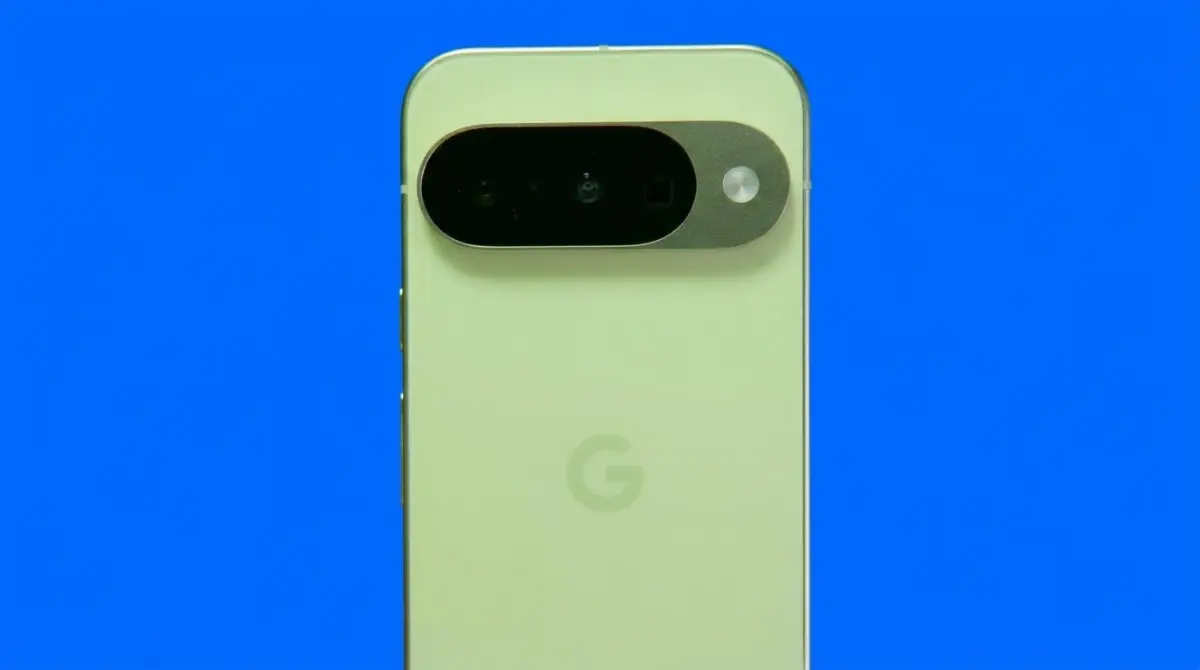


Google Pixel 10 Year Anniversary: Success & Hardware Flaws
Ten years after abandoning the developer-focused Nexus line, Google has officially established its own smartphone identity, weathering severe hardware growing pains to produce highly capable devices.
Umar Abubakar | 4 Oct. 2026 · 8 min read

Ten years ago, the search giant completely overhauled its hardware strategy. On October 4, 2016, the company officially abandoned the Nexus program and introduced the original Pixel smartphone. This move marked the beginning of a heavily ambitious push to build physical devices that perfectly matched its own software vision. A decade later, the product line stands as a major pillar in the global smartphone market. The history of this device reveals a fascinating pattern of incredible software execution mixed with severe physical engineering growing pains.
The original goal was simple but difficult to execute. Google wanted to control both the silicon and the operating system, matching the exact vertical integration strategy deployed by Apple. When executives took the stage in 2016, they openly mocked rival manufacturers for removing the physical headphone jack, only to quietly remove that exact same port from their own hardware just twelve months later. This sudden reversal proved that the company was still figuring out its exact identity. Early buyers tolerated thick bezels, high prices, and questionable battery endurance simply because the camera quality was unmatched. The photography focus remains a central selling point today, a strategy we noted when covering how Chinese phone brands bet on AI agents to revive upgrades rather than competing strictly on camera optics. Consumers will excuse poor battery life if the camera takes perfect pictures in dark rooms.
The Middle Tier Revolution
The most important moment in the history of the product line did not happen with a premium flagship release. It happened in 2019 with the debut of the Pixel 3a. At a time when competitors were aggressively pushing premium prices past the one thousand dollar mark, Google released a highly affordable alternative. The 3a compromised on physical materials, using a polycarbonate shell instead of heavy metal and glass, but retained the exact same flagship camera processing. This aggressive pricing strategy captured massive attention from budget conscious buyers. Building an affordable phone with premium software features completely disrupted the market.
That specific focus on the mid-tier market remains a massive corporate advantage today. The A-series continues to sell in massive volumes. Buyers frequently realize they do not need to spend heavy capital on a flagship when the cheaper variant offers identical software features. We tracked similar consumer apathy toward expensive hardware recently when nobody wanted the iPhone 18 Pro and pre-orders cratered. When basic functionality meets everyday needs, consumers resist massive price tags.
Transitioning to Custom Silicon
Relying on external chipmakers eventually created a development bottleneck. To truly control the hardware network, Google started designing its own processors. The introduction of the Tensor silicon changed the entire trajectory of the product line. Instead of prioritizing raw gaming speed, the engineering team focused the new processor strictly on machine learning tasks. The custom chip allowed the phone to process complicated voice translation, image editing, and text generation directly on the device without relying on external cloud servers.
The transition to custom silicon was incredibly rocky. The early generations of the Tensor processor suffered from severe thermal management problems. Devices would randomly overheat during standard video recording or heavy cellular usage. The modems attached to these early chips also struggled to maintain stable connections in areas with weak cellular signals. The company spent three generations quietly fixing these physical flaws. Users complained loudly about dropped calls and rapid battery drain. The engineering struggles involved in matching hardware with advanced software mirror the exact friction we analyzed during the iPhone 18 Pro Max teardown battery display flaw investigation. Building custom silicon requires billions of dollars and a high tolerance for public failures.
Committing to Long-Term Software
As the hardware finally stabilized, the company made a massive promise regarding software support. Starting with the eighth generation, Google committed to providing seven full years of operating system updates and security patches. This mandate entirely changed the purchase calculation for average consumers. A buyer spending $900 on a new device now knows the hardware will receive active support until the next decade. Extending the physical lifespan of consumer electronics is becoming a strict industry requirement. We saw similar long term support policies roll out when Samsung integrated battery security chips across its Galaxy phones to prevent long-term degradation.
This extended support forces the company to build highly durable physical chassis. If a phone is supposed to last seven years, the screen cannot shatter easily and the battery must retain its charge capacity over thousands of cycles. The latest Pro models feature aggressive flat screens, titanium rails, and highly reinforced glass. The design language finally feels mature and deliberately industrial. The corporate hardware division is no longer experimenting with weird radar sensors or squeezing the sides of the phone to trigger an assistant. The hardware is predictable, which is exactly what enterprise buyers and normal consumers want.
The Reasoning Engine Integration
The tenth anniversary arrives exactly as the entire technology sector pivots toward automated reasoning software. Google is heavily using the Pixel platform to distribute its Gemini models directly to consumers. The smartphone acts as the physical delivery mechanism for the artificial intelligence division. The latest software updates replace the traditional voice assistant with a highly capable generative model that can read emails, summarize text messages, and edit photographs locally. The hardware exists entirely to make the software accessible.
Pushing massive language models onto a small mobile device creates distinct engineering challenges. The processor must allocate heavy memory strictly to keep the reasoning engine active in the background. The company increased the base memory capacity across the entire current lineup simply to handle these automated background tasks. We noted the extreme memory demands of localized processing recently when evaluating how Apple Intelligence requires 30GB of storage on macOS 27. Running complicated mathematical models locally requires heavy physical storage and massive active memory.
Folding Hardware and Expanding the Network
The smartphone lineup no longer exists in isolation. The company aggressively expanded its hardware portfolio to include smartwatches, wireless audio gear, and folding tablets. The introduction of the Pixel Fold proved the engineering team was finally willing to compete in the ultra premium category. The first iteration of the folding device suffered from heavy bezels and application scaling issues, but it established a clear beachhead in a highly profitable sector. The hardware division refused to cede the folding market entirely to foreign competitors. The rush to build functional folding screens is causing massive design friction across the entire industry, a reality made obvious when examining the Huawei Mate XT 2 Ultimate Design Tri Fold engineering limitations.
The folding hardware represents the ultimate test for the Android operating system. Google has historically struggled to convince third party application developers to build custom interfaces for larger tablet screens. By releasing its own expensive folding hardware, the company forces its own internal software teams to fix the weird layout issues that have plagued the Android tablet environment for years. If the parent company refuses to improve its own applications for a folding screen, outside developers will never bother to do it.
Handling the Competitive Market
Maintaining a dedicated hardware division is highly expensive, especially when the parent company generates the vast majority of its revenue from digital advertising. Some financial analysts have repeatedly questioned whether Google should continue manufacturing physical phones when it already controls the underlying operating system used by billions of people. The answer lies in the threat of platform lock-in. If the search giant stopped building its own hardware, it would become entirely dependent on rival hardware manufacturers to distribute its newest software features. Controlling the physical device guarantees the company a permanent, unfiltered channel to its users. This exact defensive strategy forces major technology corporations to build their own hardware, a dynamic we analyzed when Google launched an $899 Googlebook Gemini laptop to bypass traditional operating system vendors.
As the product line enters its second decade, the competition is becoming highly hostile. Rival manufacturers are rapidly closing the gap in computational photography, and cheap processing power is becoming widely available. To maintain its premium status, the engineering team must continue finding new ways to integrate complicated software features that other companies cannot easily replicate. The recent introduction of specialized video improvement tools, which upload raw footage to remote servers for processing before returning a perfectly stabilized video file to the phone, proves the company is willing to combine mobile hardware with massive cloud infrastructure to win consumers. The hardware is no longer just a glass rectangle; it is a physical portal directly connected to the most powerful computing servers on the planet.
After a decade of erratic product launches, sudden design changes, and massive software updates, the Pixel line has finally achieved stability. The hardware division knows exactly who their target customer is and how to build a device for them. The phones might not sell in the massive volumes commanded by the absolute largest global manufacturers, but they serve as the undeniable reference point for the entire Android user base. When Google updates a camera feature or introduces a new automated text tool, the rest of the mobile industry immediately copies it. The next ten years will determine whether this heavy focus on localized reasoning software can finally convert brand loyalty into massive global market share.
Read More on TechRobust:
Umar Abubakar
 LinkedIn
Umar Abubakar
Expertise:Editorial Leadership, Product Design (UI/UX), Digital Media Strategy, Technology Systems, Product Architecture
Award:TechRobust Visionary Leader of the Year 2025
Umar serves as Editor-In-Chief and CEO of TechRobust, combining editorial vision with senior product design expertise to shape how modern technology stories are built, packaged, and told. Overseeing all editorial verticals, he directs coverage across global and regional tech landscapes while applying deep design thinking to publication strategy and reader experience.