
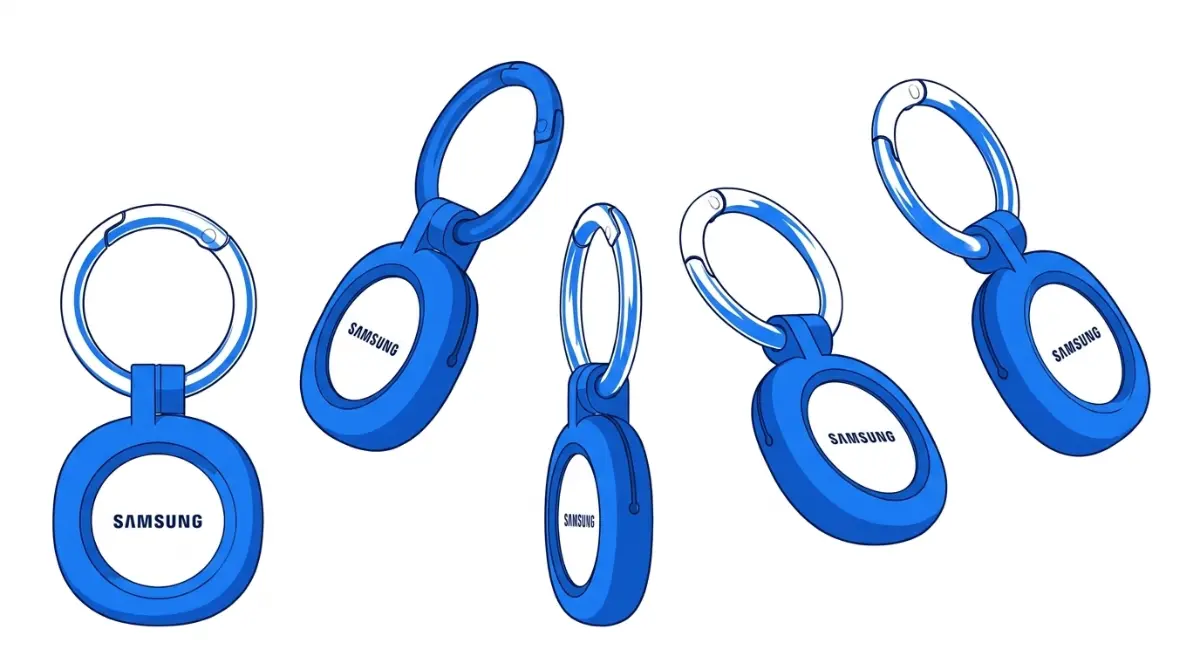


Samsung SmartTag 3 Adds iPhone Support And Pet Monitoring
Samsung launches the third generation of its Bluetooth item tracker, bringing cross-platform compatibility to Apple users alongside major reductions in physical size, extended battery longevity, and novel pet activity monitoring features.
Goriola Ayankoya | 30 Sept. 2026 · 6 min read

Samsung officially announced the Galaxy SmartTag 3 today. The third iteration of the company's Bluetooth tracking device introduces heavy hardware revisions and a surprising software pivot. Historically, the South Korean hardware manufacturer locked its accessory ecosystem down tightly, forcing buyers to own a Galaxy smartphone to locate their lost keys or luggage. That strict exclusivity ends with this release. The engineering team confirmed that the latest tracking puck supports Apple iOS devices and competing Android phones. This hardware update directly attacks rival item trackers by opening the doors to a much wider consumer base.
Opening the device to competing operating systems represents a massive shift in corporate strategy. Apple built an immense accessory empire by ensuring its AirTags only function correctly with iPhones. Samsung is attempting to break that monopoly by offering a piece of hardware that works across different phone brands. The cross-platform compatibility is a heavy selling point for households where family members use different operating systems. A user with an iPhone can now install the SmartThings application and help locate a lost set of car keys tagged by a partner using a Galaxy device.
Physical Reductions and Power Management
The engineering teams managed to shrink the physical footprint of the tracker drastically. The new plastic housing is 35 percent smaller by volume and 33 percent lighter than the bulky SmartTag 2. Trimming down the plastic shell makes attaching the device to pet collars, narrow keychains, and slim wallets much easier. Despite the smaller casing, Samsung chose to retain the standard CR2032 coin battery rather than switching to a sealed rechargeable cell. Consumers prefer replaceable batteries in tracking devices because it prevents the hardware from becoming electronic waste after a year.
The battery endurance metrics are highly aggressive. The manufacturer claims the tracker can survive up to 550 days under standard operational parameters. If a user activates the built-in Power Saving Mode, the lifespan stretches to an impressive 790 days. Pushing the battery past the two-year mark eliminates the constant anxiety of a tracker dying exactly when you lose your luggage at an airport. This intense focus on physical power management mirrors similar hardware priorities we noticed when Samsung added battery security chips to its Galaxy phones. Hardware builders know that battery anxiety dictates consumer purchasing decisions.
Tracking Protocols and iOS Limitations
Locating a lost object requires precise wireless protocols. The device relies on two separate communication standards to guide a user to their missing item. It features Bluetooth 6.0 Channel Sounding, a protocol that delivers directional guidance from up to 60 meters away. When a user gets within a few meters of the target, the onboard Ultra-Wideband chip takes over. This secondary chip supplies highly precise augmented reality directions, pointing a digital arrow directly at the lost item through the phone screen.
While the inclusion of iOS support expands the potential buyer base, the actual software execution comes with strict limitations. iPhone users can download the SmartThings application to locate a SmartTag 3 nearby, or accept shared tracking permissions from a Galaxy owner. However, an iPhone scanning the tracker will not report that location data back to the wider Galaxy Find Network in the background. The iOS application acts purely as a local viewfinder. It cannot passively help other Samsung owners find their lost items. This technical limitation means the global tracking network still relies entirely on active Galaxy smartphones pinging passing tags.
Network Politics and Google Distancing
Interestingly, Samsung refuses to connect this hardware to the unified Google Android Find Hub. The company insists on maintaining its proprietary Galaxy Find Network for all background locating tasks. By supporting iOS devices through a standalone app while deliberately ignoring Google's new centralized tracking network, the South Korean tech giant is playing a complex game of platform politics. They want to sell hardware to everyone, but they refuse to share the resulting location data with the search giant.
This maneuvering happens right as the broader technology sector fractures into isolated hardware ecosystems. Companies want complete control over their physical accessories. This desire to control the physical hardware stack matches the aggression seen when Google launched the $899 Googlebook Gemini laptop to bypass third-party laptop manufacturers. Samsung is protecting its accessory network fiercely, ensuring its tracking data remains completely siloed away from its closest Android partner.
Pet Activity Monitoring and Geofencing
Samsung added several software tools that push the hardware far beyond simple loss prevention. The tracking puck now doubles as a lightweight pet activity monitor. Specialized motion sensors inside the casing log physical movement, active playtime metrics, and sleep duration. The companion mobile application organizes this raw data into a dedicated pet health dashboard. Owners can monitor how active their dog is during the day while they are stuck at work.
The software also introduces a strict geofencing feature named Place Notification. Users can draw custom borders on a digital map and receive instant alerts if the tagged object crosses those physical boundaries. If an indoor cat escapes into the backyard, or a bicycle is moved away from a designated rack, the owner receives an immediate push notification. These specialized health and movement tracking features compete directly against dedicated wearables, an expansion strategy observed when Apple tested a screenless fitness tracker Whoop rival. Blending item tracking with fitness metrics creates a highly versatile piece of plastic.
Security Features and Smart Home Integration
The physical button on the exterior casing returns, allowing owners to trigger customized smart home routines. A quick press of the button can turn on house lights, lock a front door, or adjust a connected thermostat before walking inside. This turns the tracking tag into a portable remote control for the entire residential network.
The Near Field Communication Lost Mode also remains intact. If a stranger finds a lost backpack with a tag attached, they can tap the plastic casing against their own phone. The tag will display the owner's emergency contact details on the stranger's screen, allowing for a quick return. The system also includes a Movement Detection Alert, which fires off a loud warning chime if a disconnected tag senses unexpected motion. This prevents bad actors from slipping a tracker into a purse or vehicle without the owner noticing.
Retail Availability and Market Positioning
The hardware ships in simple black and white color options. Retail availability begins October 7 in South Korea, with a wider United States rollout scheduled for early November. This release calendar aligns perfectly with a busy corporate hardware season, hitting retail shelves right around the time the Samsung Galaxy Tab S12 reportedly debuts on October 7. The company is actively building a massive inventory of connected accessories ahead of the holiday shopping rush.
Adding cross-platform compatibility forces competitors to react. Buyers who previously felt locked into buying Apple accessories might jump at the chance to buy a third-party tracker that offers replaceable batteries and smart home controls. The tracking accessory market is currently undergoing a massive overhaul, mirroring the standardization efforts seen when Apple and competitors agreed on the Qi2 wireless charging standard for smartphones. Consumers want accessories that work everywhere. By making the SmartTag 3 function on competing operating systems, Samsung is delivering exactly what the physical hardware market demands.
Read More on TechRobust:
Goriola Ayankoya
 LinkedIn
Goriola Ayankoya
Expertise:Consumer Hardware, Smartphone Trends, Gadget Reviews, Breaking Tech News, Mobile Ecosystems
Award:TechRobust Hardware Reporter of the Year 2025
Goriola is a Staff Writer and Reporter specializing in consumer technology, breaking tech news, and hands-on hardware analysis. He tracks fast-paced mobile developments, reviews modern gadgets, and unpacks product launches to give readers clear, practical insights into everyday consumer tech.