
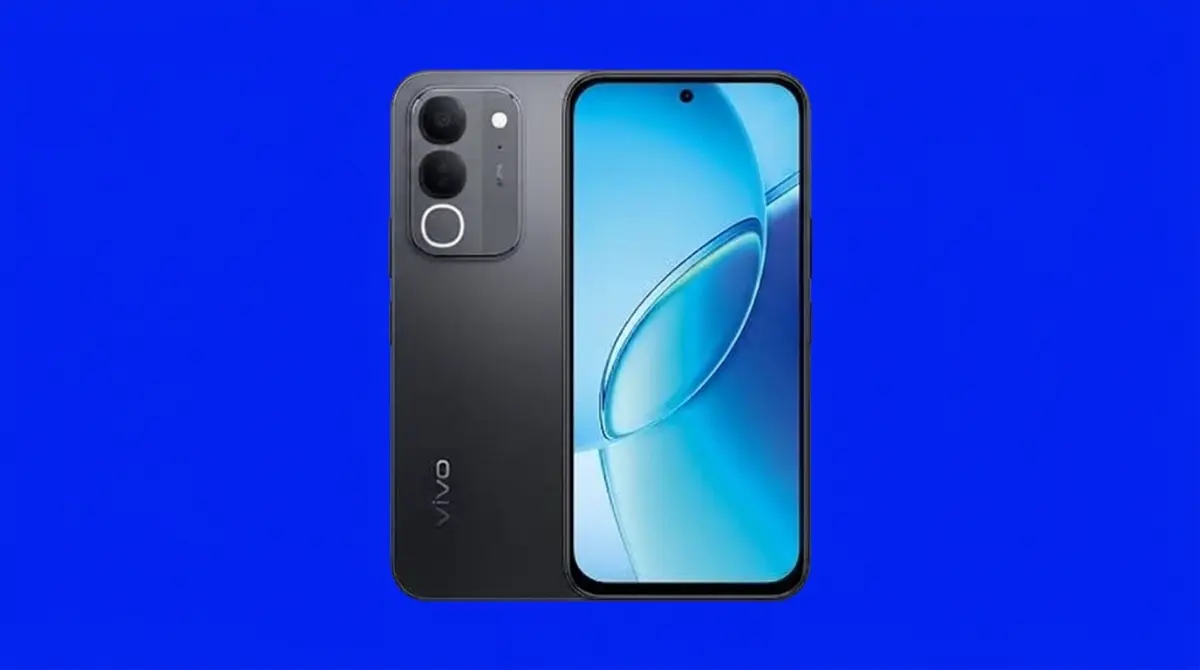


Vivo Y32 5G Debuts With 8,000mAh Battery and IP69 Body
Vivo unveiled the rugged Y32 5G for international buyers, pairing an 8,000mAh silicon-carbon power pack with a Qualcomm Snapdragon 4 Gen 2 processor, MIL-STD-810H shock certification, and full IP69 water submersion defenses at an entry-level price point.
Goriola Ayankoya | · 7 min read

Budget smartphones usually make buyers choose between battery stamina and physical durability. An inexpensive plastic handset might survive everyday desk use, but dropping it onto a concrete sidewalk or getting caught in a sudden downpour often shatters the screen or shorts out the charging socket. Rugged phones designed for construction sites solve that physical weakness, but arrive as thick, heavy rubber bricks that weigh down pockets and run on slow, outdated processors. Vivo has dismantled that compromise. The Chinese hardware manufacturer unveiled the Vivo Y32 5G on Monday, November 2, 2026, delivering an 8,000mAh power pack inside a slim, durable enclosure. Built around Qualcomm Snapdragon 4 Gen 2 silicon, the device brings top-tier IP69 water and dust ingress protection alongside military-grade shock certification to entry-level pricing tiers. The release arrives as consumer hardware brands respond to component cost spikes, continuing mobile market developments we analyzed when component price hikes caused budget phone shipments to drop.
The technical configuration of the Y32 5G shows how quickly premium industrial features are filtering down to affordable devices. The phone replaces the Unisoc T7300 processor found on its earlier four-generation predecessor with Qualcomm four-nanometer Snapdragon 4 Gen 2 platform, adding dependable 5G connectivity and improved thermal management. Anchored by a 6.87-inch LCD display running at a smooth 120Hz refresh rate, the panel carries TÜV Rheinland certification for low blue light emissions, protecting user eyes during long night shifts. Yet the true headline sits in the power cell: an 8,000mAh battery that delivers multi-day runtimes while supporting 44W wired fast charging. Vivo engineered the frame to meet MIL-STD-810H durability standards while securing SGS five-star drop resistance ratings, ensuring that accidental slips from waist height will not crack the glass. High-capacity battery competition was also visible when Vivo launched curved display devices with high-capacity cells.
The 8,000mAh Silicon-Carbon Jump in Budget Hardware
To grasp why this device matters to everyday buyers, one must inspect the molecular battery materials packed inside the frame. For years, phone manufacturers insisted that batteries could not exceed 5,000mAh without making devices thick and uncomfortable to hold.
Vivo bypassed that physical boundary by utilizing silicon-carbon anode chemistry. By blending porous silicon into the negative electrode, energy density climbs by more than twenty percent compared to traditional graphite cells. This allows Vivo to package an 8,000mAh battery inside a shell that looks like a standard consumer smartphone rather than an industrial walkie-talkie. In real-world battery tests, an 8,000mAh cell powers through thirty-two hours of continuous video playback, twenty hours of satellite map navigation, or three full days of moderate voice calls and social messaging. When the cell finally drains, the included 44W FlashCharge charger restores fifty percent capacity in roughly thirty-five minutes. For motorcycle couriers, field technicians, and rural commuters who spend long days away from electrical wall sockets, this battery capacity eliminates power bank anxiety completely. Battery engineering breakthroughs were detailed in our review of the Redmi K100 launching with a 10,000mAh battery.
The IP69 Shield: Defeating High-Pressure Steam and Dirt
The second major engineering achievement on the Y32 5G is its ingress protection certification. Most premium flagship phones top out at IP68 ratings: meaning they can withstand accidental submersion in calm, room-temperature freshwater up to 1.5 meters deep for thirty minutes.
The Y32 5G carries an official IP69 rating. The number nine represents the highest industrial defense level against liquids: certifying that internal circuitry survives direct blasts from high-pressure water jets and high-temperature steam cleaning at temperatures up to eighty degrees Celsius. Vivo achieved this seal by using dual-injected silicone gaskets around the SIM tray, acoustic mesh membranes over the speaker grilles, and waterproof glue barriers sealing the display perimeter. If an agricultural worker drops the phone into muddy irrigation ditches or an industrial mechanic sprays grease off the casing with a high-pressure hose, water cannot penetrate internal logic boards. The phone also meets MIL-STD-810H military standards, with internal shock-absorbing corner bumpers protecting delicate solder joints when dropped onto asphalt. Rugged device durability was explored in our analysis of hands-on testing of premium hardware durability.
Comparing Affordable Long-Endurance Smartphones
| Device Model | Battery Capacity | Processor Silicon | Water/Dust Rating | Display Refresh Rate | Charging Speed |
|---|---|---|---|---|---|
| Vivo Y32 5G | 8,000mAh Si-C | Snapdragon 4 Gen 2 (4nm) | IP69 + MIL-STD-810H | 120Hz 6.87-inch LCD | 44W FlashCharge |
| Samsung Galaxy A08 | 6,000mAh standard | MediaTek Dimensity 6300 | IP54 splash resistant | 90Hz LCD panel | 15W wired |
| Redmi Note 17 5G | 5,500mAh standard | Snapdragon 4 Gen 2 | IP64 dust and splash | 120Hz AMOLED | 33W wired |
| Moto G Stylus 5G | 5,000mAh pouch | Snapdragon 6 Gen 1 | IP52 water repellent | 120Hz pOLED | 30W TurboPower |
| Realme C75 5G | 6,000mAh standard | Unisoc T760 5G | IP68 water resistant | 90Hz LCD display | 45W SuperVOOC |
The comparative data highlights why Vivo offering disrupts entry-level tiers. While competitors like Samsung cap battery capacity at 6,000mAh with slow 15W charging, Vivo delivers an 8,000mAh power plant paired with 44W fast charging and an IP69 rating. The four-nanometer Qualcomm processor ensures clean daily responsiveness without the software stutter common on cheap budget chips. Camera evaluations across modern devices match benchmarks detailed in our hands-on review of the Vivo X500 Pro Max.
Qualcomm Snapdragon 4 Gen 2: Efficient Four-Nanometer Processing
Under the display sits Qualcomm Snapdragon 4 Gen 2 platform, manufactured on Samsung four-nanometer process node. The chip features two ARM Cortex-A78 performance cores clocked at 2.2GHz alongside six Cortex-A55 efficiency cores running at 2.0GHz.
This big-core architecture handles everyday applications: web browsing, social video streaming, and point-of-sale apps: without lag. The integrated Adreno GPU supports smooth casual gaming, while the Qualcomm Spectra dual-image signal processor handles photo noise reduction on the rear 50MP main camera. The Snapdragon 5G modem supports both standalone and non-standalone network bands, ensuring high-speed data access across regional carriers. Internal storage can be expanded by up to 2TB using a dedicated microSD card slot, allowing users to warehouse large video archives and documents offline without paying for cloud storage. The device runs OriginOS 6 built on Android 16, offering customizable split-screen multitasking and low memory overhead. Hardware security protections across mobile phones match concepts we analyzed in our review of Samsung dedicated hardware chips for battery packs.
The Global Working Class Market: Gig Workers and Field Staff
The commercial market targeted by the Y32 5G is the global working class. Across Latin America, Southeast Asia, India, and Africa, millions of workers earn livelihoods outdoors: driving ride-share motorcycles, delivering food orders, managing warehouse loading docks, and working agricultural farms.
These workers cannot afford fragile glass phones that crack on first impact or drain their batteries before noon. They need reliable tools that survive rainstorms, dust clouds, and rough drops without breaking down. By delivering an IP69 rating, military drop resistance, and an 8,000mAh cell in an affordable package, Vivo designed a practical work tool for the global informal economy. The phone acts as a mobile office: running navigation maps, processing mobile money transactions, and accepting customer calls throughout twelve-hour shifts without requiring a mid-day recharge. Economic trends governing consumer technology adoption were detailed in our analysis of Airtel Money revenue jumping thirty-four percent post-IPO.
The Final Verdict on Vivo Rugged Strategy
The Vivo Y32 5G delivers a practical message to the mobile phone industry: real innovation is not limited to expensive folding screens or speculative software tricks. Real innovation often means building durable, affordable hardware that solves daily physical frustrations.
By pairing an 8,000mAh silicon-carbon battery with an IP69 waterproof enclosure and efficient Qualcomm four-nanometer silicon, Vivo built one of the most capable budget smartphones on the market. The device proves that everyday consumers do not need to spend four-figure sums to get phones that survive harsh physical environments. As the Y32 5G rolls out across international markets, it stands as proof that when hardware makers listen to real working people, they can turn simple physical reliability into an unstoppable commercial success.
Read More on TechRobust:

Goriola Ayankoya
 LinkedIn
Goriola Ayankoya
Expertise:Consumer Hardware, Smartphone Trends, Gadget Reviews, Breaking Tech News, Mobile Ecosystems
Award:TechRobust Hardware Reporter of the Year 2025
Goriola is a Staff Writer and Reporter specializing in consumer technology, breaking tech news, and hands-on hardware analysis. He tracks fast-paced mobile developments, reviews modern gadgets, and unpacks product launches to give readers clear, practical insights into everyday consumer tech.