


 LinkedIn
 Starlink Taps Qualcomm for Nationwide 5G Mobile Grid
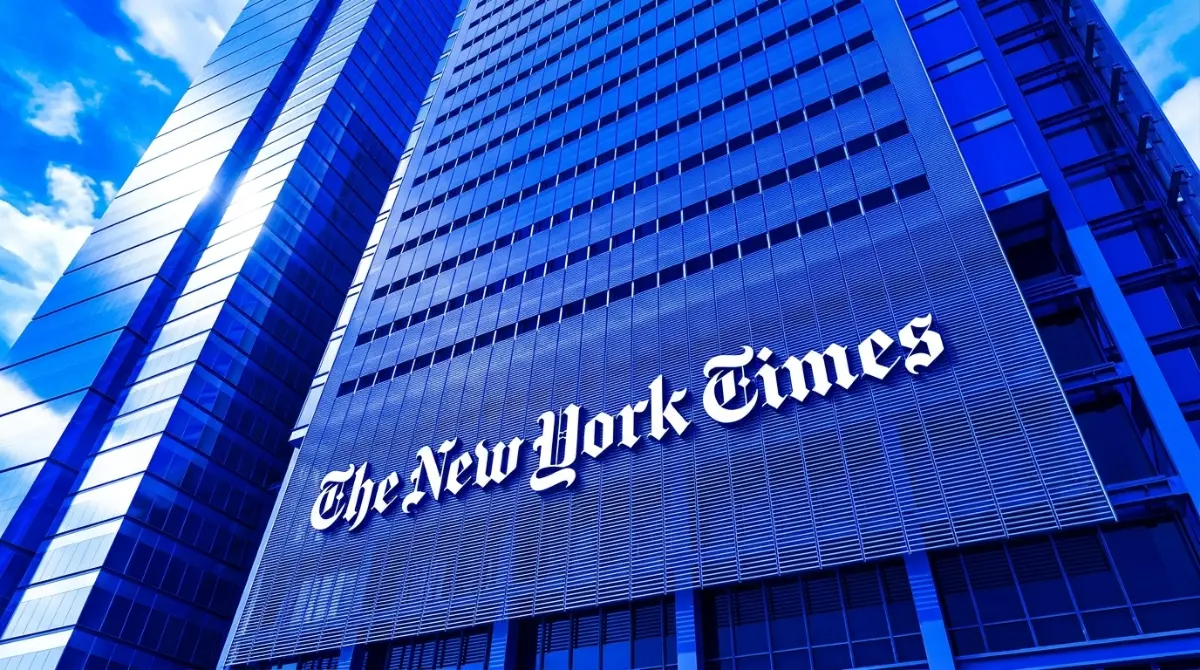
New York Times in Talks to Buy Letterboxd for $330M
The New York Times Company entered exclusive discussions to acquire cinema social network Letterboxd for roughly $330M, expanding its digital lifestyle bundle beyond news, games, and sports into international film enthusiast culture.
Umar Abubakar | · 7 min read

Modern media conglomerates spent a decade discovering that general news reporting alone cannot sustain digital subscription growth. In an era where breaking political headlines are commoditized across social media feeds in seconds, media companies must build digital destinations that consumers visit daily for personal joy, culture, and community. The New York Times Company proved this lifestyle playbook by turning word games, kitchen recipes, product reviews, and sports journalism into an indispensable consumer subscription bundle. The historic publisher moved to capture film culture on Thursday, November 5, 2026. Financial reporting confirmed that The New York Times Company is in advanced, exclusive negotiations to acquire film-focused social platform Letterboxd in a transaction valued at approximately $330M. Working alongside investment bank LionTree, Letterboxd parent company explored buyout offers from major film studios including A24 and Sony before entering exclusive talks with the Times. The potential buyout arrives as traditional media organizations diversify consumer subscription funnels, continuing corporate media transactions we monitored when investors committed capital to Skydance Media.
The acquisition of Letterboxd represents a natural operational extension of the Times multi-product subscription strategy. Founded in Auckland, New Zealand, in 2011 by Matthew Buchanan and Karl von Randow, Letterboxd evolved into the social network of record for cinema enthusiasts. The platform allows users to log films they watch, write personal reviews, curate public watchlists, and follow friends and Hollywood directors. With over fourteen million registered accounts and a culturally influential demographic of Gen Z and millennial moviegoers, Letterboxd possesses engagement metrics that traditional newsrooms struggle to build organically. The New York Times plans to integrate its advertising sales technology with Letterboxd while keeping the cinema platform operating as an independent destination for the foreseeable future. By adding film logging and cinephile culture to a subscriber bundle that already includes The Athletic, Wirecutter, Cooking, and Games, the Times is building a media subscription package that appeals to modern cultural consumers. Media asset restructurings match corporate moves we detailed when Bending Spoons acquired Miro during corporate reorganizations.
The Bundle Playbook: From Wordle to Cinema Logging
To inspect why the Times is willing to write a $330M check for a movie-logging website, one must examine the corporate economics of its all-access bundle. For twenty years, traditional newspaper publishers suffered catastrophic revenue declines as print advertising collapsed and readers abandoned print subscriptions.
The New York Times escaped that industry death spiral by reimagining what a media company sells. Under Chief Executive Officer Meredith Kopit Levien, the Times transitioned from selling a daily newspaper into selling an essential daily habit. The company made targeted acquisitions: purchasing consumer reviews guide Wirecutter for $30M in 2016, acquiring viral word game Wordle in 2022, and buying sports journalism outlet The Athletic for $550M in 2022. These auxiliary products act as subscriber acquisition funnels. A consumer who never reads front-page political coverage pays for an all-access subscription to play the daily crossword, browse recipes, and track Premier League football scores. Letterboxd slots into this subscription bundle: moviegoers who log three films every weekend will subscribe to the Times all-access package if it includes Letterboxd Pro features, discounted cinema tickets, and exclusive film festival coverage. Churn management across digital consumer subscriptions was explored in our analysis of Netflix cutting overhead to protect streaming cash flows.
The LionTree Auction: How the Times Beat Hollywood Studios
The road to a $330M transaction involved a competitive corporate auction managed by media investment bank LionTree. In late 2023, Canadian investment firm Tiny acquired a sixty percent controlling stake in Letterboxd at an implied valuation of roughly $50M, leaving founders Buchanan and von Randow to manage daily operations.
As user engagement surged past fourteen million accounts and Hollywood studios began paying for promotional marketing campaigns on the platform, Tiny and the founders explored strategic exit options. Several prominent entertainment entities expressed acquisition interest, including independent film powerhouse A24 and Japanese entertainment giant Sony Pictures. A24 envisioned integrating Letterboxd with its boutique film distribution and fan merchandise business, but dropped out of negotiations as valuation expectations climbed past $300M. The New York Times moved ahead of competing suitors by offering an all-cash purchase structure paired with operational independence. For Letterboxd users who worried that a film studio buyout would compromise the platform editorial neutrality: prompting studios to manipulate review scores or suppress negative ratings on commercial blockbusters: joining an independent journalistic institution provides reassurance that the community review integrity will be preserved. Valuation multiples across digital media platforms were detailed in our review of Bumble going private in an institutional buyout.
Comparing Major Digital Media Culture Acquisitions
| Acquired Platform | Acquiring Corporate Buyer | Transaction Consideration | Primary Strategic Intent | Commercial Integration Outcome |
|---|---|---|---|---|
| Letterboxd (Pending 2026) | The New York Times Company | ~$330M (Exclusive talks) | Film culture, Gen Z community, ads | Standalone operation + ad tech sync |
| The Athletic (2022) | The New York Times Company | $550M cash purchase | Sports journalism subscriber funnel | Turned profitable via bundle integration |
| Wordle (2022) | The New York Times Company | Low seven-figure sum | Daily engagement and puzzle habits | Anchored multi-million user Games tier |
| Goodreads (2013) | Amazon Retail | ~$150M purchase | Book discovery & Kindle retail sales | Stagnant interface; criticized by users |
| Rotten Tomatoes (2016) | Fandango (Comcast / Warner) | Undisclosed corporate deal | Movie ticket checkout conversion | Tomatometer used across streaming |
The comparative data illustrates why the Times acquisition approach has succeeded where other corporate buyers faltered. When Amazon acquired book-logging community Goodreads in 2013, it neglected software development, leaving the platform with an outdated interface that alienated passionate book lovers. The New York Times has demonstrated superior stewardship of community assets: keeping Wordle free of aggressive pop-ups and investing capital into The Athletic to make the sports publication profitable. If the Times applies that respectful stewardship to Letterboxd: modernizing mobile apps and integrating ad sales while leaving user community customs untouched: the platform will thrive. Digital asset valuations and private corporate transactions were explored in our analysis of regulators auditing private corporate share ownership records.
The Monopolization of Cultural Taste: Critics vs. Algorithms
Beyond financial synergies, the acquisition of Letterboxd touches the ongoing debate surrounding cultural curation in the algorithmic age. For seventy years, The New York Times film critics: from Bosley Crowther to Manohla Dargis and A.O. Scott: served as authoritative gatekeepers of cinema prestige.
The modern digital generation rarely reads three-thousand-word formal film reviews in print newspapers. Young cinephiles discover films through Letterboxd: following friends, reading one-sentence humorous reviews, and building themed lists of obscure 1970s cinema. By acquiring Letterboxd, the Times unites two opposing worlds of film criticism: institutional journalistic authority and grassroots crowd-sourced passion. The Times can integrate its professional film reviews and festival dispatches into Letterboxd movie pages, while using Letterboxd user rankings to inform its cultural reporting. Film distributors who spend millions advertising upcoming theatrical releases will find a unified advertising network connecting high-income newspaper subscribers with passionate young moviegoers. Media monetization and social platform commerce were detailed in our review of social platforms introducing direct commerce tools.
The Future Outlook for Independent Digital Communities
The planned $330M sale of Letterboxd to The New York Times Company proves that authentic human community remains the most valuable asset in digital media. In a technology landscape flooded with synthetic computer-generated text and algorithmic recommendation feeds, an online platform where human beings share authentic personal opinions about cinema is rare and precious.
Matthew Buchanan and Karl von Randow built a profitable cultural powerhouse from a modest office in New Zealand by respecting their community and building a clean, beautiful tool. As Letterboxd prepares to join the Times digital empire, the publication must remember that user trust is fragile. If the Times preserves the irreverent spirit, community features, and democratic culture that make Letterboxd beloved by millions, the acquisition will stand as a model of digital media expansion: proving that quality journalism and passionate community culture can unite to build an enduring home for cinema lovers everywhere.
Read More on TechRobust:
Umar Abubakar
Umar Abubakar
Expertise:Editorial Leadership, Product Design (UI/UX), Digital Media Strategy, Technology Systems, Product Architecture
Award:TechRobust Visionary Leader of the Year 2025
Umar serves as Editor-In-Chief of TechRobust, combining editorial vision with senior product design expertise to shape how modern technology stories are built, packaged, and told. Overseeing all editorial verticals, he directs coverage across global and regional tech industry while applying deep design thinking to publication strategy and reader experience.
Related Stories
Starlink Taps Qualcomm for Nationwide 5G Mobile Grid Cloudflare Stock Jumps 15% on $3B Run Rate and Raised Outlook
 IREN Delays Microsoft AI Clusters Amid $15B Capex Plan