


 LinkedIn
 Meta Launches Live Video Chats With Muse AI Avatars
Airbnb Confirms Autonomous AI Travel Agent for 2027
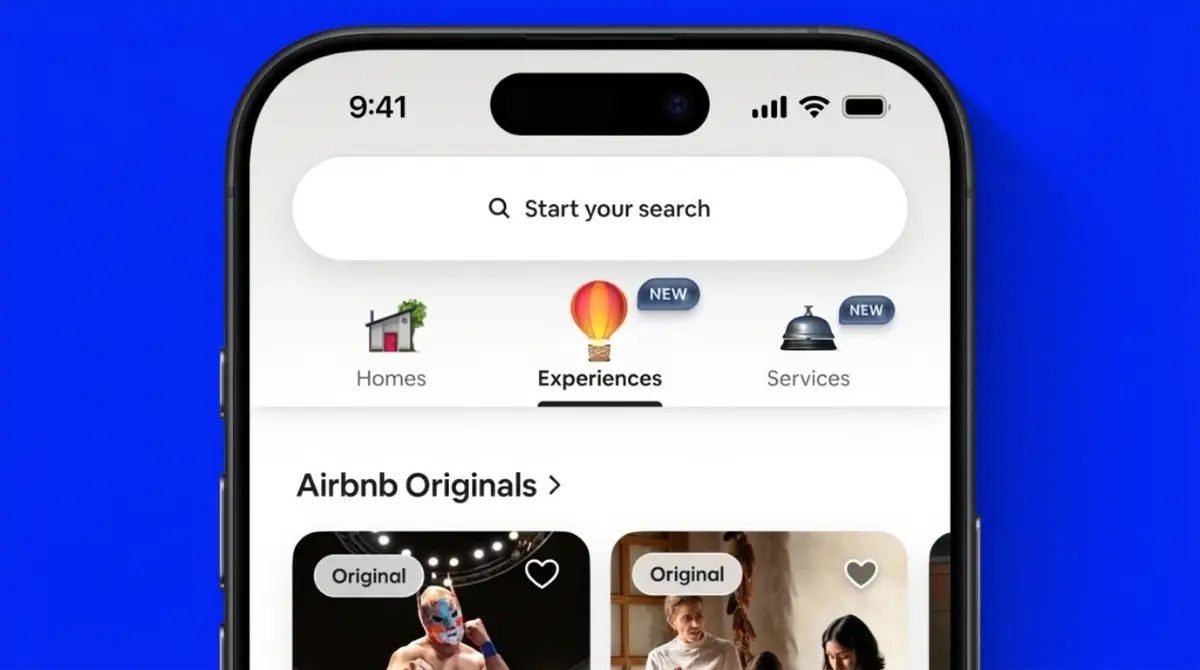
Airbnb announced it will launch an autonomous travel agent in the first half of 2027, as Chief Executive Officer Brian Chesky redesigns the rental platform to plan complete itineraries, compare multi-modal transport, and execute bookings.
Chinedu | · 7 min read

Planning a family vacation on the internet has become an exhausting multi-tab ordeal. When an individual sets out to book a holiday, the process requires opening dozens of browser tabs: comparing flight prices on Google Flights, evaluating apartment rentals on Airbnb, cross-referencing restaurant reviews on Google Maps, and booking rental cars on secondary portals. If a flight schedule delays by three hours, the traveler must manually message their lodging host, cancel dinner reservations, and rearrange rental car pickups. For three years, travel platforms promised that conversational chatbots would fix this fragmentation. What travelers received instead were basic text search boxes that produce generic lists of tourist monuments. Vacation rental giant Airbnb has decided to replace that passive search box with an active computational travel planner. In its third-quarter 2026 shareholder letter released on Thursday, November 5, 2026, Airbnb confirmed that it will launch a dedicated artificial intelligence travel agent in the first half of 2027. Chief Executive Officer Brian Chesky outlined a comprehensive platform overhaul that moves beyond home rental search, deploying an automated assistant capable of planning custom itineraries, comparing transportation, and executing complex bookings across the traveler entire stay. The announcement arrives as consumer platforms explore autonomous commerce, continuing digital assistant developments we tracked when DoorDash recorded modest order numbers from automated shopping agents.
The strategic roadmap revealed by Chesky positions the travel agent as the most significant evolution of Airbnb core product since its founding. While reporting solid third-quarter financial results: with revenue climbing ten percent year-on-year to $4.1B and net income reaching $1.4B: Chesky told shareholders that modern conversational chatbots are fundamentally flawed for real-world commerce. He observed that while current machine models are proficient at answering simple, text-based questions, they struggle to execute multi-step commercial transactions that involve fluid pricing, calendar logistics, and customer service disputes. Airbnb travel agent will bridge that gap by using proprietary guest review archives, host messaging histories, and localized neighborhood data to act as an authentic digital concierge. The assistant will handle trip discovery, recommend accommodations matched to specific traveler personality profiles, coordinate local experiences, and provide automated customer support throughout the guest stay. The operational transformation lands as consumer technology developers adjust product interfaces, matching platform shifts we analyzed when evaluating whether consumers can trust automated software to manage daily lives.
The Booking Bottleneck: Why Conversational Chatbots Fail at Travel
To inspect why Airbnb is taking eighteen months to engineer its travel agent, one must examine why existing conversational models fail when applied to commercial travel. When an individual asks a standard chatbot to "plan a five-day vacation to Rome under two thousand dollars," the model generates a plausible itinerary of popular museums and neighborhoods.
The moment that itinerary touches real-world booking infrastructure, the model falls apart. The chatbot cannot check whether an Airbnb host allows late evening check-ins, whether a boutique hotel requires a non-refundable deposit, or whether a train between Florence and Rome has available seats. If a traveler asks the model to book the trip, the chatbot cannot complete the transaction because it lacks secure payment credentials and direct API integrations with travel suppliers. Booking travel involves strict inventory rules, dynamic pricing surges, and cancellation penalties. Airbnb travel agent will operate directly on Airbnb transaction rails. The software will not merely output suggestions; it will hold authenticated permissions to place holds on properties, process credit card payments, send identity verification documents to hosts, and confirm reservation changes in real time. Autonomous booking architectures match payment rails we explored in our review of PayPal rebuilding checkout tools for autonomous purchasing.
The Personalized Concierge: Leveraging Decades of Review Data
The primary competitive advantage that Airbnb brings to travel planning is proprietary contextual data. While general search engines like Google or conversational tools like ChatGPT rely on public web pages, Airbnb holds sixteen years of private booking records, host communication threads, and hundreds of millions of detailed guest reviews.
When a traveler queries the upcoming Airbnb travel agent, the system evaluates nuanced contextual signals:
- Traveler Group Dynamics: The agent recognizes whether a guest is traveling with active toddlers, elderly relatives, or remote coworkers, filtering accommodations to ensure properties have elevators, quiet workspaces, or fenced backyards.
- Host Interaction Styles: The model evaluates review text to match guest preferences: pairing travelers who want total privacy with self-check-in hosts, and pairing social travelers with hosts who provide personal neighborhood tours.
- Proactive In-Stay Support: If a flight delay causes a guest to arrive at midnight, the agent automatically coordinates with the host to ensure digital door codes remain active and heating is adjusted.
By personalizing recommendations based on verified historical outcomes rather than sponsored advertising bids, Airbnb aims to build consumer trust. Chesky noted that building an agent that truly understands guest preferences will transform Airbnb from an accommodation marketplace into an end-to-end travel platform. Personalization and consumer software design match principles we followed when consumers resisted generic automated shopping assistants.
Comparing Travel Booking Platforms in the Agent Era
| Travel Platform | Planned Agent Deployment | Primary Product Scope | Autonomous Execution Level | Underlying Proprietary Asset |
|---|---|---|---|---|
| Airbnb AI Agent (2027) | First Half of 2027 rollout | End-to-end trip planning & stays | Full booking & in-stay resolution | 16 years of verified host/guest reviews |
| Expedia (Romie Assistant) | Live conversational beta | Flights, car rentals, and hotels | Assisted search; manual checkout | Global multi-modal flight inventory |
| Booking.com AI Trip Planner | Live in mobile application | Hotel recommendations and queries | Filtering tool; redirects to checkout | Expansive commercial hotel network |
| Google Travel (Gemini) | Live web search integration | Itinerary generation & price alerts | Redirects to airline/hotel portals | Google Maps & Flights search graph |
| Priceline (Penny Agent) | Generative voice assistant | Discount hotel package deals | Assisted voice booking support | Opaque discount hotel inventory |
The comparative data illustrates why Airbnb approach could reshape travel commerce. Competitors like Expedia and Booking.com built conversational chat widgets that act as glorified search filters: recommending a hotel and redirecting the user to standard booking screens. Airbnb is engineering an agent that maintains agency: managing the transaction from initial discovery through check-out. By controlling both the inventory marketplace and the booking software, Airbnb can eliminate the friction that causes travelers to abandon trip planning. Specialized software agents for hospitality management were examined in our review of Dextr AI securing seed capital to automate hotel operations.
The Extended Stay Megatrend: Accommodating the Digital Nomad
The commercial timing of Airbnb agent rollout connects directly to shifts in global travel habits. In post-earnings disclosures, Chesky highlighted that long-term stays: reservations lasting twenty-eight days or longer: represent roughly seventeen percent of gross booking volume.
Millions of remote workers, freelancers, and traveling professionals live nomadically, spending months living in different global cities. Planning an extended stay requires evaluating criteria that short-term tourists ignore: verified internet download speeds, neighborhood grocery access, quiet study spaces, and monthly rental discounts. The Airbnb travel agent will cater specifically to these long-term nomads: identifying properties that offer verified home offices, negotiating long-term lease discounts with hosts automatically, and recommending coworking spaces and gym memberships in the neighborhood. By automating the complex logistics of extended stays, Airbnb strengthens its position as the preferred housing network for the global remote workforce. Corporate workplace policies and remote talent mobility match themes we documented when visa regulations impacted international tech worker mobility.
The Long-Term Outlook for Autonomous Travel Commerce
Airbnb confirmation that an autonomous travel agent will arrive in early 2027 marks an important step in the evolution of digital consumer platforms. For fifteen years, the internet operated as a self-service catalog: requiring human beings to click through search results, read reviews, and manage booking forms manually.
As computational models master multi-step planning and transactional execution, the catalog era is drawing to a close. Brian Chesky understood that travelers do not want to spend their Sunday afternoons acting as their own travel agents; they want an intelligent companion that understands their taste, respects their budget, and handles the mundane logistics so they can focus on experiencing the world. Delivering a reliable agent that coordinates flights, rental cars, accommodations, and customer service will be an immense engineering challenge. If Airbnb executes on its 2027 vision, the company will have built more than a vacation rental app; it will have built the universal travel platform for the modern century.
Read More on TechRobust:

Chinedu
Chinedu
Expertise:Consumer Tech Reviews, Comparative Analysis (Versus Testing), Product Benchmarking, Technical Tutorials, Consumer Buying Advice
Award:TechRobust Reviewer of the Year 2025
Chinedu serves as Editor-at-Large overseeing TechRobust’s buyer guidance and utility verticals. He specializes in methodical product teardowns, head-to-head showdowns, curated buyer lists, and deep-dive instructional guides, delivering actionable, evidence-driven verdicts that help readers make informed hardware and software decisions.
Related Stories
Meta Launches Live Video Chats With Muse AI Avatars Canva Cuts 1,271 Jobs as AI Costs and Slowing Growth Hit
 Hinge Tests Cheaper Tier as Dating App Fatigue Mounts