
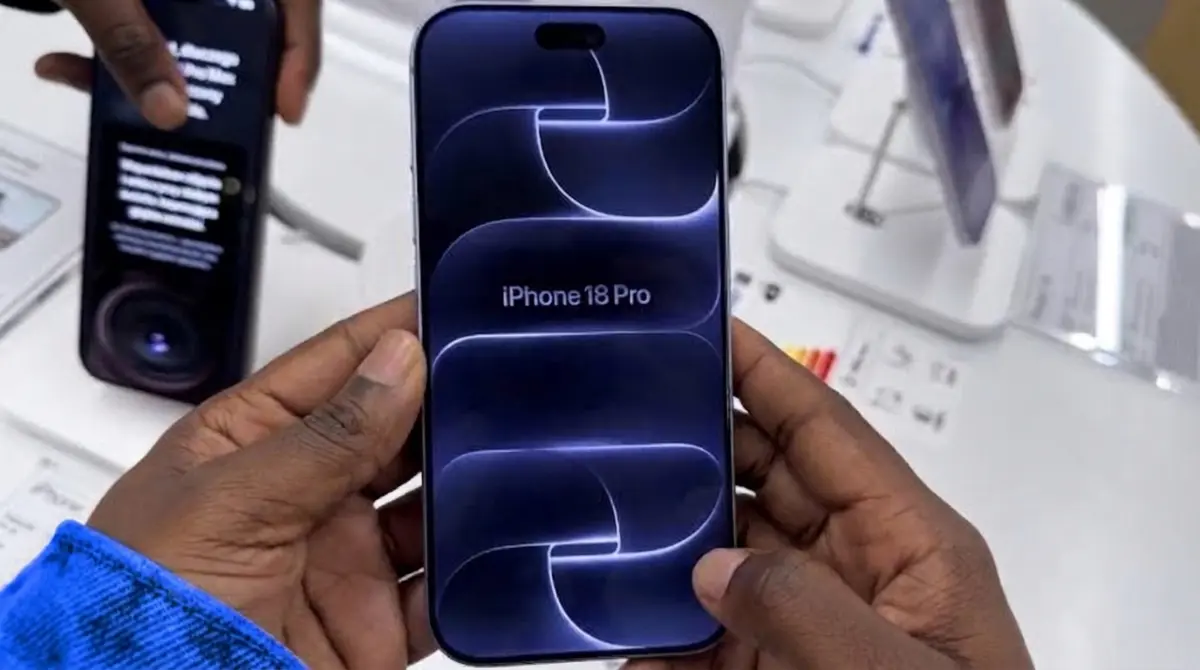


Apple Prepares Fix for iPhone 18 Pro Random Reboot Bug
Apple confirmed an upcoming software update will resolve a severe bug causing the new iPhone 18 Pro and Pro Max to freeze and randomly restart.
Umar Abubakar | 24 Sept. 2026 · 6 min read

Apple just confirmed a severe software defect affecting the newly released iPhone 18 Pro and Pro Max. Within forty-eight hours of opening the box, thousands of users watched their expensive new devices randomly freeze and completely shut down. A brand-new phone suddenly acting like a broken, ten-year-old computer creates immediate panic. Owners flooded internet support forums and rushed back to retail stores, assuming they received a defective unit straight from the factory. Apple just confirmed that the physical hardware is actually perfectly fine. The crashes stem completely from a hidden software bug, and the company promises a permanent repair is arriving within days.
The exact trigger for this maddening behavior revolves around biometric security. Security researchers and technology reporters managed to force the phone to crash intentionally. They discovered that the system breaks when a user tries to open an application locked behind a facial scan. If a person opens the Apple Passwords application and the Face ID sensor fails to recognize their face, the entire operating system violently locks up. The touchscreen stops accepting input entirely. The phone sits frozen for several seconds before the screen goes black, forcing a hard restart and dumping the user back onto the lock screen.
This exact biometric failure points directly to the physical changes Apple introduced this year. The engineering team drastically altered the internal layout of the front-facing camera system on the Pro models. They relocated the highly sensitive infrared sensor directly under the display glass. Moving this sensor allowed the designers to shrink the visible cutout at the top of the screen by twenty-five percent. We actually saw the physical results of this internal redesign when we reviewed how an iPhone 18 Pro Max teardown exposed an internal battery display flaw. Early teardowns show the camera module completely detached from the front glass, connected only by three separate ribbons. When a manufacturer changes the physical wiring of a highly secure component, the software must adapt perfectly. Right now, the iOS 27 software is clearly failing to handle the new hardware communication sequence when a facial scan gets rejected.
When the software fails to read the Face ID data, a built-in safety mechanism takes over. Inside the phone sits an independent clock known as a watchdog timer. The operating system must constantly send a signal to this timer, proving that the software is awake and functioning. When the biometric bug freezes the phone, the operating system stops sending that signal. The watchdog timer realizes the system is dead and immediately forces a complete reboot to protect the internal components. Users can actually verify this behavior themselves. Navigating through the privacy and security settings into the analytics data menu reveals specific diagnostic files labeled "panic-full." These text files serve as absolute proof that the operating system realized it was failing and chose to shut down rather than remain permanently frozen.
Apple officially confirmed the situation on Thursday. The company stated that a dedicated software update targeting the rebooting issue is currently in active development. They expect to release the patch early next week. This upcoming download will likely carry the iOS 27.0.1 designation. Hearing that a software patch is coming immediately changes the situation for frustrated buyers. Several Apple retail employees reportedly swapped out frozen phones for brand-new replacement units earlier in the week, mistakenly believing the hardware was damaged. Now that the parent company acknowledges the software defect, users can cancel their support appointments. Exchanging the physical device will not fix anything, because the replacement phone will run the exact same buggy software and crash exactly the same way.
This frustrating software instability is not an isolated incident within the Apple ecosystem this week. The company is currently battling multiple software fires across its entire product lineup. We just reported on a nearly identical situation where the Apple Watch Series 12 and Ultra 4 hit with random reboots. Owners of the brand-new smartwatches complained about their devices crashing constantly. Apple rushed out the watchOS 27.0.1 update on Wednesday strictly to stop the wrist wearables from freezing. Launching a massive smartphone update alongside a new smartwatch operating system puts heavy pressure on the software engineering teams in Cupertino. When millions of regular consumers begin using the devices in real-world scenarios, they quickly expose the tiny coding errors that internal testing laboratories missed completely.
While waiting for the official iOS update to arrive on their screens, affected users need to manage their devices carefully. The most urgent requirement involves backing up personal data. An unexpected restart while recording a video or saving a large document can instantly corrupt the file. Owners should manually trigger an iCloud backup immediately and leave their phones plugged into a charger overnight to ensure automatic backups finish successfully.
Users must also ignore the massive wave of opportunistic scammers currently flooding internet search results. Whenever a high-profile iPhone bug makes the news, sketchy software developers immediately release paid diagnostic applications. These third-party utilities promise to magically repair the restarting issue for a thirty-dollar subscription fee. These tools are completely useless. A massive operating system crash triggered by a hidden watchdog timer cannot be fixed by a random utility downloaded from a web browser. The only entity capable of fixing the communication error between the Face ID sensor and the main processor is Apple.
The company holds a long history of messy hardware launches. The technology community remembers the infamous Antennagate scandal with the iPhone 4, where holding the device a certain way dropped cellular calls. Two years ago, the iPhone 14 Pro launched with a terrifying software defect that caused the physical camera lens to grind and shake violently when users opened third-party social media applications. Even last year, the iPhone 16 Pro suffered from a strange overheating bug shortly after its September release. In every single instance, the manufacturer eventually released a free software patch that completely resolved the terrifying behavior.
This current Face ID crash serves as another reminder that buying technology on release day always involves acting as an unpaid beta tester. The hardware inside the new Pro models represents a massive engineering achievement, but the silicon chips remain completely useless if the software instructing them refuses to cooperate. Apple will almost certainly push the required update to global users before the end of the weekend. Until that notification appears on the screen, users must accept that failing a simple facial scan might temporarily shut down their expensive new communication device.
The financial consequences of these early software bugs are rarely severe for the manufacturer, but they heavily annoy the most loyal segment of the customer base. The people who pre-order a device and wait in line on launch morning are the most dedicated fans of the brand. Handing those exact buyers a phone that constantly restarts creates terrible early reviews and negative social media attention. As the holiday shopping season approaches, the software must be completely stable. A regular consumer upgrading their phone in December expects a smooth setup experience. The engineering team must squash these biometric crashes immediately to protect the reputation of the premium Pro lineup. The competition in the high-end smartphone market remains incredibly fierce, and hardware manufacturers cannot afford to give their rivals free marketing material by selling phones that randomly shut down.
Read More on TechRobust:
Umar Abubakar
 LinkedIn
Umar Abubakar
Expertise:Editorial Leadership, Product Design (UI/UX), Digital Media Strategy, Technology Systems, Product Architecture
Award:TechRobust Visionary Leader of the Year 2025
Umar serves as Editor-In-Chief and CEO of TechRobust, combining editorial vision with senior product design expertise to shape how modern technology stories are built, packaged, and told. Overseeing all editorial verticals, he directs coverage across global and regional tech landscapes while applying deep design thinking to publication strategy and reader experience.