


Apple Code Reveals HomePod Mini 2 With Three New Colors
Leaked software assets confirm Apple is preparing a second-generation HomePod Mini featuring identical exterior dimensions alongside fresh pastel color options and upgraded processors.
Umar Abubakar | 25 Sept. 2026 · 4 min read

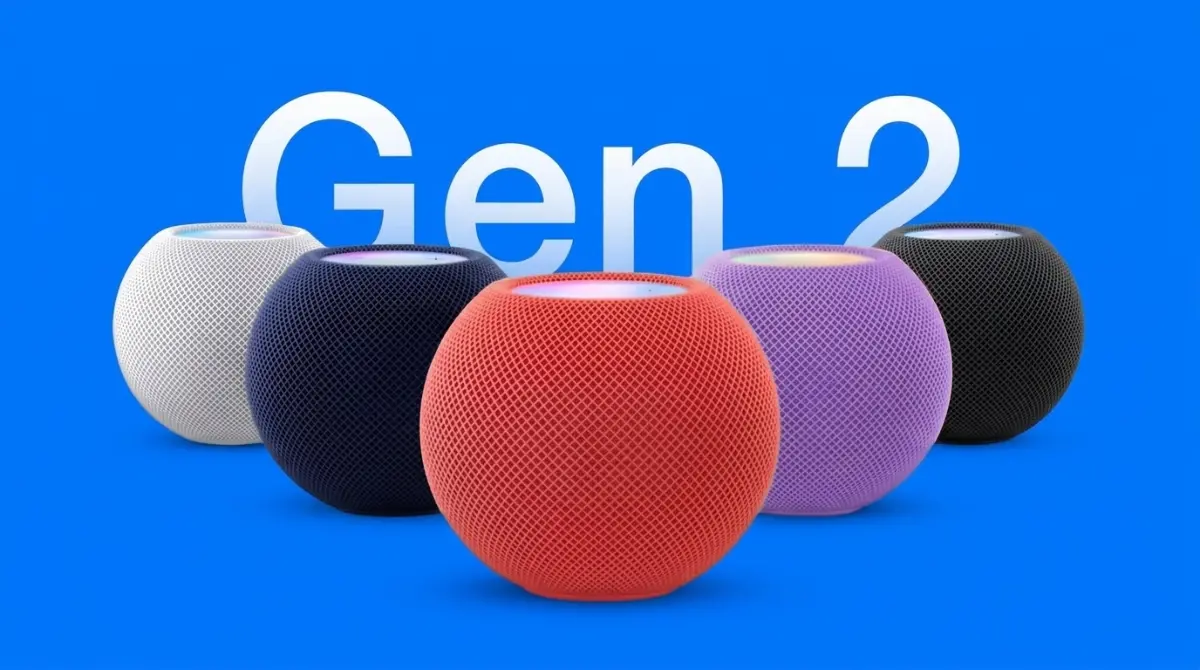
Apple is preparing its first hardware update to the compact HomePod series in six years. Newly discovered images buried inside the company's official backend code confirm the impending release of the HomePod mini 2. The leaks verify that the manufacturer is retaining the familiar spherical mesh exterior while swapping out the available exterior finishes. Buyers can expect the device to arrive in green, pink, light blue, white, and black. This updated palette officially retires the existing yellow and orange options, while replacing the midnight finish with a standard black and introducing a lighter shade of blue.
The code discoveries confirm the physical dimensions remain unchanged from the original hardware released in October 2020. That initial model debuted at $99 before supply chain costs pushed the retail price to $129. While the exterior stays identical, the internal processors require a massive overhaul. The current speaker relies on outdated silicon that lacks the processing power required to handle local voice requests efficiently. Hardware experts project the second-generation model will feature a customized S9 chip or a newer variant to support complex voice commands processed directly on the device.
Processing Upgrades and Smart Home Integration
Updating the internal chip architecture is a necessary step for the entire Apple audio lineup. The original processor cannot process advanced Siri interactions without experiencing noticeable delay. By moving to modern silicon, the new speaker will handle local device controls and audio routing without relying heavily on remote servers. This hardware upgrade directly connects to the software improvements arriving later this year, particularly the features integrated when Apple iOS 27 sped up iPhones across thirty system areas. The new operating system relies heavily on local processing for faster voice interactions, demanding better hardware across all linked accessories.
The updated processing power also supports a broader transition in how the company manages connected appliances. The presence of these product images inside active software repositories suggests an impending launch window. Retail analysts project the hardware will arrive before the holiday shopping season, likely alongside a rumored Apple TV streaming box update. The company is actively building a deeper ecosystem for residential electronics, a strategy highlighted when Apple readied the HomeOS smart display operating system to compete against rival screen-based hubs. The HomePod mini 2 will serve as the baseline audio node for this expanded hardware network.
Balancing Design with Functionality
The choice to retain the exact same physical casing makes financial sense for the hardware division. Tooling costs for manufacturing spherical mesh enclosures are high, and the original design continues to blend easily into residential environments. The company prioritizes physical aesthetics, a design philosophy confirmed when the Apple hardware boss stated iPhone screen protectors ruin displays. By focusing engineering resources strictly on the internal processor and the Ultra Wideband chip, the company can deliver faster response times and better spatial awareness without increasing the manufacturing budget.
The Ultra Wideband component upgrade is highly relevant. The original hardware sometimes struggled to register a user transferring music from a smartphone to the speaker. A newer positional chip will make audio handoffs faster and more reliable when a user brings their phone near the speaker. These small mechanical improvements dictate whether a smart speaker feels responsive or frustrating in daily use. Consumers expect instant reactions when they tap a device, and outdated chips fail to meet that standard. Device stability is also a factor, matching the urgency seen when Apple prepared a fix for the iPhone 18 Pro random reboot bug. Consistent uptime is mandatory for a speaker designed to run an entire household.
Pricing and Market Position
Pricing details for the unannounced hardware remain hidden. The current model sits at $129, a premium over competing entry-level speakers from Amazon and Google. Apple historically avoids racing to the bottom of the pricing charts, preferring to sell devices that connect directly with its own phones and tablets. The hardware division must decide whether the new internal chips justify maintaining that price point or if market pressure requires a return to the original $99 tag.
The smart audio market is shifting away from simple music playback toward proactive assistance. The hardware must be powerful enough to recognize different voices, control connected thermostats, and summarize notifications without lagging. If the HomePod mini 2 can deliver those capabilities within its small footprint, it will anchor the company's residential strategy for the rest of the decade. The physical changes might be limited to a coat of pink or green paint, but the internal silicon upgrade represents a massive jump in capability.
Read More on TechRobust:

Umar Abubakar
 LinkedIn
Umar Abubakar
Expertise:Editorial Leadership, Product Design (UI/UX), Digital Media Strategy, Technology Systems, Product Architecture
Award:TechRobust Visionary Leader of the Year 2025
Umar serves as Editor-In-Chief and CEO of TechRobust, combining editorial vision with senior product design expertise to shape how modern technology stories are built, packaged, and told. Overseeing all editorial verticals, he directs coverage across global and regional tech landscapes while applying deep design thinking to publication strategy and reader experience.