
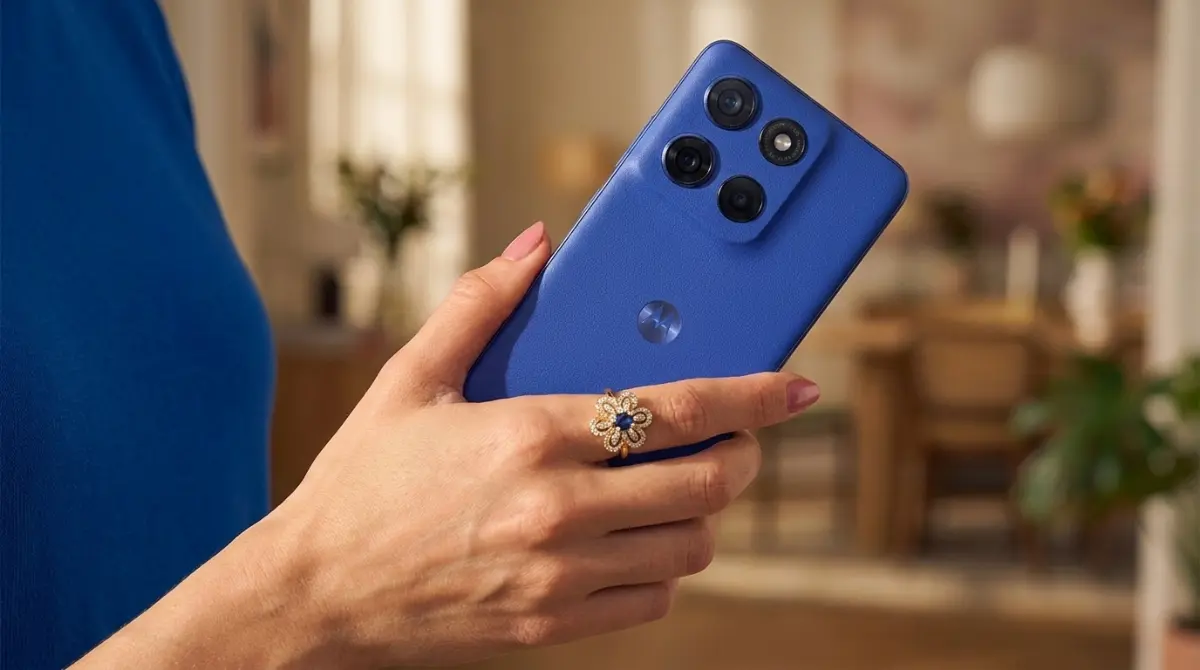


Moto G Stylus 5G Remains The Best Budget Android For 2027
Despite launching years ago, the affordable Motorola device continues to dominate the entry-level market by offering premium hardware components like an active stylus and wireless charging for a fraction of what modern flagship devices demand today.
Goriola Ayankoya | 4 Oct. 2026 · 7 min read

Consumers are exhausted by the rising costs of modern electronics. While major manufacturers push their flagship devices well past the one thousand dollar mark, average buyers are looking backward to find actual value. A device released in the past often holds hidden potential, especially after retail prices drop. The Motorola Moto G Stylus 5G originally debuted at $400, but moving into 2027, retailers are clearing inventory and selling the device for roughly $250 or less. At this lower price, it completely dominates the budget Android category, proving that buyers do not need to finance an expensive glass slab just to answer emails and watch videos.
The entire mobile market is currently experiencing a severe identity crisis. Hardware upgrades have stalled. We witnessed this consumer apathy recently when nobody wanted the iPhone 18 Pro and pre-orders cratered across major cellular carriers. When a new phone looks and acts exactly like the phone from three years ago, asking a customer to spend heavy capital becomes impossible. This reality forces shoppers to evaluate cheaper alternatives. The Moto G Stylus survives because it provides specific physical hardware features that other companies refuse to include without charging a massive premium.
Defying the Premium Price Tag
Finding a beautiful screen on a cheap device is usually difficult. Most manufacturers cut costs by installing dull liquid crystal displays that look terrible under direct sunlight. Motorola ignored this trend entirely. The engineering team installed a 6.7-inch plastic organic light emitting diode screen. The display features symmetrical bezels and a 120Hz refresh rate. Watching videos and scrolling through social media feeds feels incredibly fast and highly responsive. Getting an OLED panel with a high refresh rate for under $300 completely destroys the main argument for buying a top tier device.
Beyond the screen, the manufacturer prioritized the physical memory allocation. Budget phones normally fail because they lack the random access memory required to keep multiple applications open. When a phone only has four gigabytes of memory, the processor works too hard, draining the battery and causing the software to stutter. Motorola equipped this specific model with 8GB of memory. This hardware choice keeps the Snapdragon 6 Gen 1 processor running smoothly, allowing users to jump between a web browser and a banking application without experiencing annoying delays. We tracked similar memory prioritization strategies when evaluating the Nothing Phone 4a and 4a Pro midrange models, showing that memory capacity dictates the entire user experience.
The Return of the Stylus
The defining physical characteristic of the device sits tucked inside the bottom edge of the frame. Providing an integrated pen used to be the exclusive signature of the ultra expensive Samsung Galaxy Ultra series. Motorola democratized the technology, giving budget buyers a way to take handwritten notes, sign digital documents, and edit photographs with absolute precision. While the pen lacks the advanced Bluetooth pressure sensors found on a $1,300 device, it works perfectly for everyday tasks. Pulling out the stylus to quickly write down a grocery list or circle an item on a map adds immense utility to the hardware.
The company also built specific software triggers for the accessory. When a user removes the pen from the chassis, the operating system instantly launches a dedicated notepad application. It completely bypasses the lock screen, ensuring the user can start writing before they forget their thought. This exact focus on physical utility over software gimmicks helps the device stand out. While other manufacturers are trying to invent reasons for buyers to upgrade, such as when Chinese phone brands bet on AI agents to revive upgrades, Motorola simply provides a highly useful physical tool that works every single time.
Battery Capacity and Charging Tricks
A smartphone loses all value the minute the battery dies. The mid-range market frequently suffers from poor power management, but the Moto G Stylus avoids this problem by including a massive 5,000mAh power cell. For an average person reading news, sending text messages, and listening to music, the device easily survives a full day of activity without searching for a wall outlet. The physical size of the battery guarantees a high level of endurance, separating it from smaller, thinner devices that require constant mid-day charging.
The charging specifications reveal another massive hardware advantage. This budget device actually supports 15W wireless charging. Finding the magnetic charging coils inside a $250 phone is incredibly rare. Most competitors strip this component out to save a few pennies during manufacturing. Allowing users to drop the phone onto a charging pad on their nightstand adds a level of premium convenience normally reserved for expensive flagships. The industry is currently trying to unify these charging protocols, a transition we documented when Apple backed the Qi2 wireless charging standard for smartphones. Including the hardware on a budget device ensures the owner can use standard accessories without buying expensive proprietary cables.
When the user does need to plug the device into a wall, the hardware supports fast 30W wired charging. While it will not break any speed records compared to the fastest Asian imports, it refills the internal cell quickly enough to satisfy busy commuters. Protecting the long term health of these massive power cells is a major priority for the entire sector, matching the engineering focus we saw when Samsung integrated battery security chips across its Galaxy phones to prevent chemical degradation over time.
The Software Compromise
Every cheap product contains a hidden catch. For the Moto G Stylus, the weakness hides entirely within the software update policy. The parent company holds a terrible reputation for delivering operating system upgrades on time. While the device ships with a clean, highly enjoyable version of Android that avoids heavy corporate bloatware, the buyer cannot expect long term support. The manufacturer promises a few years of basic security patches, but it completely abandons the hardware much faster than competitors like Google or Samsung.
This software limitation forces the buyer into a strict calculation. If a consumer wants a device that will receive the newest version of Android every single year for the next decade, they must buy a Google Pixel and pay the higher entry fee. However, if the buyer only plans to keep the phone for two or three years before replacing it, the short update cycle does not matter. The hardware works perfectly out of the box, and the interface remains highly intuitive. The company includes familiar physical gestures, allowing a user to twist their wrist to open the camera or chop their hand twice to activate the flashlight. These small software touches make the phone feel highly personalized.
The camera system represents the final compromise. The main sensor captures decent photographs outdoors when the sun is shining brightly. The colors look natural, and the image processing handles simple portraits well. As soon as the sun goes down, the camera struggles to find focus and introduces heavy digital noise. The lens lacks the advanced optical stabilization required to pull light out of dark environments. A buyer spending $250 cannot expect professional photography equipment. The camera exists to scan barcodes and capture basic family moments, not to shoot cinematic video.
Going into 2027, the mobile market is heavily segmented. The top tier devices cater exclusively to wealthy buyers willing to finance their electronics like a used car. The bottom tier devices are practically electronic waste, featuring terrible screens and slow processors. The Moto G Stylus 5G sits perfectly in the middle. It borrows just enough premium features, like the OLED screen, the active pen, and wireless charging, to feel luxurious. By aggressively dropping the price down to $250, Motorola created the most logical purchase option for anyone who simply refuses to participate in the flagship hardware race. The device proves that smart engineering and a massive battery will always outlast expensive marketing campaigns.
Read More on TechRobust:

Goriola Ayankoya
 LinkedIn
Goriola Ayankoya
Expertise:Consumer Hardware, Smartphone Trends, Gadget Reviews, Breaking Tech News, Mobile Ecosystems
Award:TechRobust Hardware Reporter of the Year 2025
Goriola is a Staff Writer and Reporter specializing in consumer technology, breaking tech news, and hands-on hardware analysis. He tracks fast-paced mobile developments, reviews modern gadgets, and unpacks product launches to give readers clear, practical insights into everyday consumer tech.