


Nothing CMF Speaker S and M Debut With IP68 Ratings
Nothing expanded its budget accessory label with CMF Speaker S and Speaker M, bringing physical control dials, IP68 water sealing, and 18-hour playback to portable audio buyers seeking repairable modular hardware under $110.
Goriola Ayankoya | 12 Oct. 2026, 11:30 AM · 8 min read

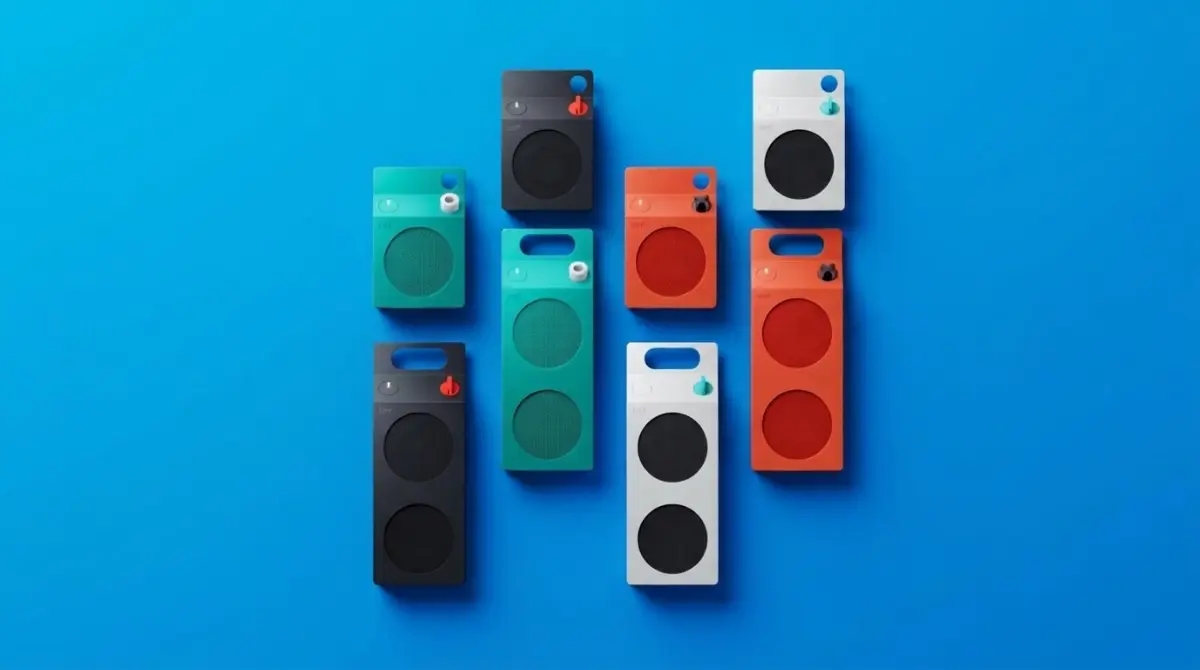
Portable Bluetooth speakers have spent a decade trapped in boring plastic design patterns. Major audio brands release identical fabric-covered cylinders every year, adding minor battery bumps while charging premium prices for sealed hardware that cannot be repaired or personalized. When an internal lithium pouch degrades or a plastic button snaps, owners are forced to toss the entire speaker into municipal waste bins. London design house Nothing decided to challenge that disposable consumer cycle. On Monday, October 12, 2026, the company expanded its affordable sub-brand by introducing CMF Speaker S and CMF Speaker M. Priced at $59 and $109 respectively, the new audio devices feature playful industrial silhouettes resembling miniature milk cartons, backed by complete IP68 dust and water sealing, tactile rotary control knobs, and up to eighteen hours of battery endurance. The launch signals an effort to inject personality and modular customization into budget consumer hardware, an approach we evaluated in our hands-on review of the Nothing Phone 4a and mid-range design strategies.
The release marks Nothing first direct entry into standalone wireless loudspeaker hardware. Rather than competing on raw high-end audiophile snobbery, the CMF line focuses on accessible price points, industrial tactile controls, and modular mechanical components. The smaller Speaker S is built for personal travel, delivering 10W of continuous acoustic power from a 45mm driver paired with dual passive bass radiators. The larger Speaker M steps up to a 35W two-way acoustic layout, combining a 70mm woofer with a 16mm tweeter to project sound across outdoor gatherings and living rooms. Both models incorporate Bluetooth 6.0 wireless radios supporting Auracast multi-speaker pairing, letting users synchronize dozens of compatible speakers simultaneously. The trend toward durable, repair-friendly personal audio mirrors developments we examined when reviewing the Sennheiser Momentum 5 wireless headphones.
Tactile Knobs and Milk Carton Industrial Geometry
The visual identity of both speakers immediately sets them apart from the generic oval tubes lining department store shelves. Finished in bright orange, clean white, dark grey, and turquoise, the enclosures feature squared edges with rounded corners that evoke retro kitchen appliances. The smaller Speaker S weighs 334g with dimensions of 130.5mm by 85mm by 44mm, incorporating an integrated metal carabiner hook for clipping onto backpacks or bicycle handlebars. The larger Speaker M tips the scales at 602g with a body measuring 220mm by 85mm by 54mm, featuring a molded carrying strap along its top rail.
The standout physical interaction on both units is the oversized mechanical rotary dial mounted on the chassis. While competing speakers force users to poke tiny rubberized membrane buttons to adjust listening levels, Nothing installed a physical dial that clicks with tactile resistance as you turn it. Pressing the dial down pauses music or answers incoming phone calls, while quick double-presses skip forward across playlist tracks. Even better, Nothing made the front speaker grilles and physical knobs user-removable. Owners can swap accent colors using official accessories or download open three-dimensional printing templates to fabricate custom faceplates and mounting brackets at home. This level of physical user agency is rare in cheap consumer electronics, echoing modular design values we documented when Framework restructured modular hardware pricing and customer repairs.
Acoustic Tuning and Driver Configurations
Acoustic performance between the two models is split cleanly along physical size and intended use cases. The $59 Speaker S uses a single 45mm full-range driver backed by dual opposing passive radiators to project low frequencies down to 70Hz. For desk listening, bedroom study sessions, or picnic blankets, the 10W RMS output delivers clear spoken vocals on podcasts and crisp acoustic guitar plucks without tinny distortion. It cannot produce room-shaking sub-bass rumble, but the passive radiators prevent basslines from sounding hollow.
The $109 Speaker M steps into a different weight class. By separating acoustic duties between a 25W 70mm woofer and a 10W 16mm dome tweeter, the speaker covers a wider frequency response spanning from 60Hz to 20kHz. The dedicated tweeter prevents high-frequency cymbals and female vocals from getting buried when complex hip-hop or electronic basslines hit. In the companion Nothing X mobile application, users can toggle Ultra Bass mode to give low-end frequencies extra presence, or activate Wide Soundstage mode to spread audio wider across physical rooms. There is also a dedicated Night Mode that caps maximum volume at 60% of standard output, preventing accidental late-night blasts when browsing video feeds in bed. Acoustic tuning choices across portable audio hardware were explored in our buyer guide comparing AirPods 5 against the wireless charging edition.
IP68 Sealing and Real World Outdoor Toughness
One area where Nothing outpaced category norms is environmental ingress protection. Most portable Bluetooth speakers in the $50 to $100 price range settle for IP67 ratings, meaning they can withstand brief rain showers and accidental puddles. Both CMF speakers carry certified IP68 ratings, meaning they are sealed against fine sand particles and can survive continuous water submersion past one meter depth.
This environmental sealing makes both units great companions for camping trips, beach days, and dusty construction workshops. The USB-C port is internally waterproofed, meaning water entering the charging cavity will not short out internal motherboards once dried. The silicone bumper trims absorb drops onto bathroom tile and gravel trails, while the matte textured plastic hides scuffs and scratches. Outdoor hardware resilience matches trends we analyzed when reviewing Nothing open-frame personal audio hardware during retail sales.
Battery Life and USB-C Digital Audio Streaming
Battery endurance claims on wireless speakers often require skepticism, but Nothing internal test metrics hold up well for daily listening. The Speaker S houses a 2,600mAh internal lithium pack, while the Speaker M carries a 4,900mAh battery. Both models are rated for up to eighteen hours of continuous playback when streaming over AAC codecs at 50% volume with Ultra Bass engaged. Cranking the Speaker M to maximum volume cuts continuous runtime to roughly eight hours, which still easily outlasts an evening backyard barbecue.
Recharging is handled through standard USB-C connections, requiring 2.5 hours on the S and 3 hours on the M for a complete top-off. A quick ten-minute charge delivers approximately one hour of playback when rushing out the door. A welcome technical inclusion that many reviewers miss is wired USB-C audio streaming. You can plug a USB-C cable directly from a laptop, desktop monitor, or tablet into either speaker to stream uncompressed digital audio without wireless compression or Bluetooth latency. That wired option turns the Speaker S into a capable desktop computer speaker during office hours. Open charging and desktop connectivity standards were detailed when we covered open wireless charging standards across modern handsets.
Bluetooth 6.0 and Auracast Multi-Speaker Sharing
Connectivity options are modern, built around Bluetooth 6.0 silicon supporting SBC, AAC, and next-generation LC3 codecs. Pairing is effortless thanks to Google Fast Pair, Microsoft Swift Pair, and an integrated NFC antenna on the top plate that lets Android phones pair with a simple physical tap. Dual-device multipoint allows the speaker to stay connected to a work laptop and a personal phone simultaneously, pausing video playback when a voice call comes through.
The headline software trick is Party Mode, powered by Bluetooth Auracast broadcast technology. Traditional Bluetooth pairing restricts playback to one or two linked speakers. With Auracast, a primary CMF speaker can broadcast its audio feed to dozens of nearby compatible speakers without complex Wi-Fi network setups or proprietary vendor apps. You can pair two identical units to establish true left-right stereo separation, or link multiple mixed speakers across a garden patio so everyone hears identical audio without echo delays. The expansion of localized wireless standards was analyzed in our review of Samsung updating SmartTag tracking beacons.
Competitive Matchups Against JBL and Ultimate Ears
At $59, the CMF Speaker S lands directly in the crosshairs of the Ultimate Ears Miniroll ($59.99) and the JBL Go 4. On paper, the Nothing offering holds clear advantages: it provides IP68 protection compared to IP67 on the Miniroll, pushes 10W of power, and claims eighteen hours of battery life against twelve hours on the Ultimate Ears model. The physical rotary knob also feels far more satisfying than the stiff volume buttons found on competitors.
At $109, the CMF Speaker M faces stiffer competition from established heavyweights like the JBL Flip 6 and the Ultimate Ears Wonderboom 4 ($79.99). While the Wonderboom is cheaper, it lacks the dedicated two-way driver setup and 35W output found on the Speaker M. The Speaker M projects sound further outdoors, though JBL still maintains an edge in sub-bass impact due to its racetrack driver tuning. Where Nothing wins is customization and repairability: being able to swap grilles and 3D print replacement knobs gives the hardware a creative soul that corporate competitors lack. Market competition across personal accessories matches retail battles we followed when Samsung cut prices on premium audio gear.
The Verdict on Nothing Budget Audio Expansion
The CMF Speaker S and Speaker M demonstrate that budget audio hardware does not have to look like anonymous plastic junk. By pairing nostalgic milk-carton styling with IP68 environmental protection, satisfying mechanical dials, and open Auracast wireless sharing, Nothing delivered two products that punch well above their retail price tags.
For buyers who want an ultra-portable companion for backpacks and shower shelves, the $59 Speaker S is an easy impulse purchase that delivers reliable sound and exceptional toughness. For those who want more volume, dedicated tweeters, and room-filling output for dorm rooms or patio gatherings, the $109 Speaker M justifies the $50 step-up. Nothing proved once again that smart industrial design and user customization can make everyday consumer tech exciting without draining buyer savings. Desktop docking options and peripheral accessories were examined in our review of Anker discounted desktop docks, while mobile camera hardware trends were tracked when Oppo unveiled the Find X10 series.
Read More on TechRobust:

Goriola Ayankoya
 LinkedIn
Goriola Ayankoya
Expertise:Consumer Hardware, Smartphone Trends, Gadget Reviews, Breaking Tech News, Mobile Ecosystems
Award:TechRobust Hardware Reporter of the Year 2025
Goriola is a Staff Writer and Reporter specializing in consumer technology, breaking tech news, and hands-on hardware analysis. He tracks fast-paced mobile developments, reviews modern gadgets, and unpacks product launches to give readers clear, practical insights into everyday consumer tech.