
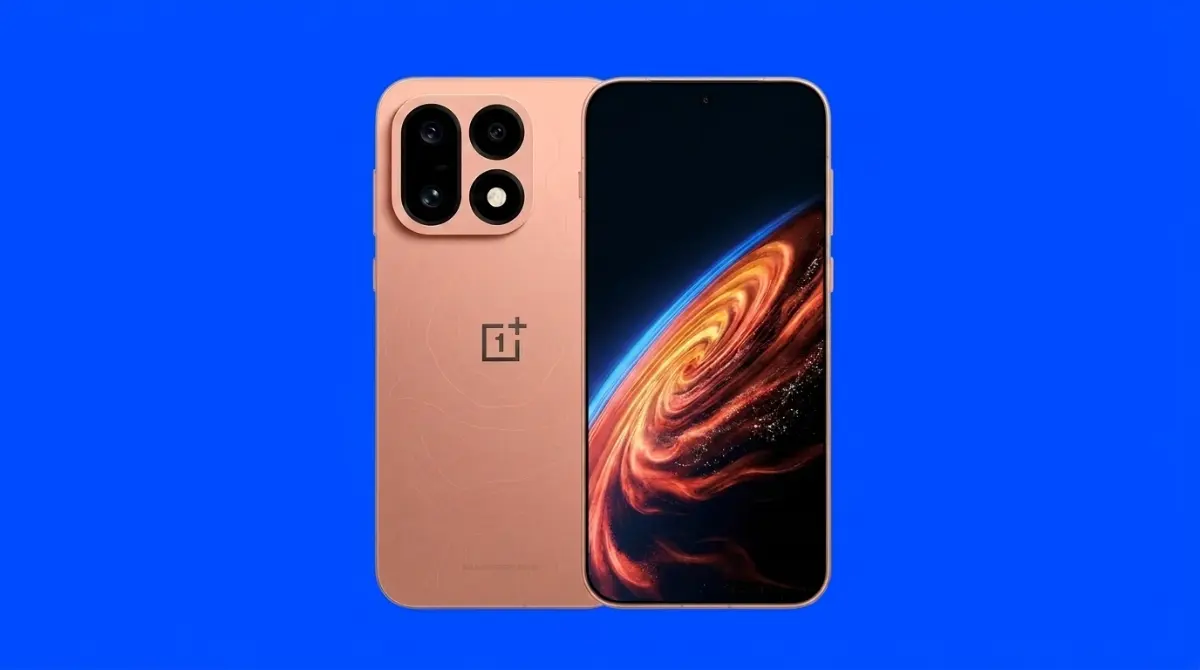


OnePlus 16 Debuts With Snapdragon 8 Elite Extreme and 9,000mAh Cell
OnePlus unveiled its flagship OnePlus 16 in China, pairing Qualcomm two-nanometer silicon with a massive nine thousand milliampere-hour battery and a two hundred megapixel sensor, testing whether extreme hardware numbers can reignite interest in premium handhelds.
Goriola Ayankoya | 12 Oct. 2026, 1:11 PM · 9 min read

Smartphone builders have spent five years telling buyers that slight design polishes and software gimmicks justify four-figure price tags. Handset makers shaved fractions of a millimeter off glass edges, adjusted camera island rings, and added software filters while daily battery endurance stayed glued to single-day limits. OnePlus took a sledgehammer to that cautious product strategy on Monday. The Chinese phone manufacturer took the wraps off the OnePlus 16, cramming a colossal 9,000mAh silicon-carbon battery pack, a 200MP primary camera sensor, and a 185Hz gaming screen into a chassis under nine millimeters thick. Running on Qualcomm newly minted Snapdragon 8 Elite Extreme Gen 6 processor fabricated on a two-nanometer manufacturing node, the phone represents an aggressive attempt to redefine flagship endurance. The launch reflects an industry scramble to pack larger batteries into standard frames, a pattern we tracked when Honor revealed high-density battery engineering.
The hardware arrives as consumer upgrade cycles stretch past four years across major consumer markets. Phone buyers are holding onto their devices longer because annual generational jumps stopped offering noticeable daily improvements. By delivering a battery cell nearly double the capacity of mainstream rivals, OnePlus is betting that uncompromised longevity will force shoppers to reconsider their upgrade plans. The phone starts at 5,999 yuan, roughly $896, for the baseline configuration with 12GB of memory and 256GB of solid-state storage. The top tier model, packing 16GB of RAM and a full terabyte of onboard storage, tops out at 8,499 yuan, or about $1,270. Chinese retail deliveries commence on October 31, with international release schedules expected in early winter. The commercial environment surrounding premium phone purchases was detailed in our report on how flagship device pre-orders fell across retail stores.
Silicon-Carbon Chemistry and the Nine Thousand Milliampere Hour Leap
The technical triumph of the OnePlus 16 rests inside its chemical power cell. For two decades, consumer electronics depended on lithium-ion batteries using graphite anodes. While graphite offered stability and low production expenses, its energy storage density reached a hard physical ceiling years ago. Fitting a 9,000mAh cell into a pocketable phone using standard graphite would have produced an unmanageable brick weighing well over 350g.
OnePlus solved that physical limitation by using its second-generation Glacier Battery technology, developed in partnership with battery manufacturer Contemporary Amperex Technology. By introducing silicon-doped carbon composite anodes, chemical engineers increased energy density by more than 35% compared to conventional packs. The resulting 9,000mAh cell fits neatly into an 8.45mm body weighing 217g on the Martian Masterpiece finish and 220g on the Starlight and Dark Forest editions. That chemical formulation allows the battery to deliver up to three days of normal web and office use without touching a wall plug. In intensive endurance runs, the device supports up to nineteen hours of continuous video streaming. Managing physical battery chemistry while maintaining safety standards has become an industry obsession, an engineering balance we analyzed when Samsung introduced dedicated hardware chips for battery packs.
Thermal Controls and Sustained Processor Benchmarks
Powering the device is Qualcomm Snapdragon 8 Elite Extreme Gen 6 chipset, built on TSMC advanced two-nanometer production line. The silicon features an octa-core CPU layout led by two prime cores clocked at a blistering 5.01GHz, supported by three performance cores at 4.03GHz and three additional cores running at 3.74GHz. Graphical tasks run through the Adreno 850 GPU, which Qualcomm claims delivers a 44% surge in raw rendering output alongside a 10% reduction in power consumption compared to prior generation designs.
High clock speeds mean nothing if a smartphone throttles within ten minutes of launching a heavy game. To manage heat dissipation, OnePlus engineered an updated Glacier Cooling setup that uses an expansive vapor chamber paired with zoned thermal gels. The layout routes heat away from the processor toward the outer aluminum frame, boosting heat transfer speed by 50%. During extended sessions of graphic-heavy 3D gaming titles, the phone maintains stable frame rates without burning user palms or dropping screen brightness. Qualcomm push into high-frequency mobile architectures was explored in our coverage of Qualcomm launching flagship mobile processing platforms.
The One Hundred and Eighty-Five Hertz Oriental Display
On the front sits a 6.78-inch LTPO OLED screen manufactured with BOE custom X4 luminescent material, branded as the fourth-generation Oriental Screen. The panel outputs a sharp 1.5K resolution of 1,272 by 2,772 pixels, surrounded by narrow 1.15mm bezels that maximize screen real estate. Peak outdoor brightness reaches an eye-searing 4,600 nits under harsh direct sunlight, while hardware-level dimming allows the screen to drop down to a single nit for comfortable nighttime reading in dark rooms.
The screen true party trick is its refresh rate ceiling. While standard Android flagships top out at 120Hz, and niche gaming handhelds hover at 144Hz or 165Hz, the OnePlus 16 pushes refresh rates up to 185Hz in supported gaming titles. Everyday system menus and web browsing operate up to 165Hz, with the LTPO circuit dropping down to 1Hz on static book pages to conserve power. An in-display ultrasonic fingerprint scanner replaces slower optical readers, authenticating wet or greasy fingers in milliseconds. Display innovations across mobile devices match trends we evaluated when reviewing Huawei advanced screen technologies on mobile hardware.
A Balanced Triple Camera Setup Led by Two Hundred Megapixels
Mobile photography on the OnePlus 16 is anchored by a 200MP primary camera sensor measuring 1/1.4 inches, complete with an f/1.6 aperture lens and optical image stabilization. Rather than chasing useless high-zoom digital magnification figures, OnePlus tuned its image processing pipeline through its proprietary LUMO light and shadow engine. The engine combines sixteen sensor pixels into a single large pixel bin, capturing clean low-light shots with rich shadow detail and accurate color science.
The main shooter is accompanied by a 50MP periscope telephoto lens that delivers 3x native optical magnification, using a 1/1.95-inch sensor format with optical stabilization. A third 50MP sensor handles wide-angle landscape framing, while a 50MP front-facing camera with autofocus handles video calls and selfies. By using high-resolution 50MP sensors across its auxiliary lenses, OnePlus avoids the blurry secondary shots that ruin competitors. Optical hardware choices across high-end devices match trends we tracked in our report on Oppo Find X10 series global hardware configurations.
Charging Versatility and Bypass Electronics
Recharging a 9,000mAh battery could take hours on ordinary wall plugs, but OnePlus paired the Glacier pack with its 100W SuperVOOC wired fast charging standard. Using the included dual-port charger, the phone tops off from a dead state to one hundred percent in roughly thirty-eight minutes. Wireless charging runs at 50W on proprietary charging pads, while 27W reverse wired charging allows the phone to serve as a high-capacity power bank for friends dead accessories.
For mobile gamers, the most valuable inclusion is full-scenario bypass charging. When plugged in during long gaming sessions, the phone routes incoming electrical current directly to the motherboard and processor, bypassing the lithium battery entirely. This prevents the battery cell from heating up during active play, protecting chemical lifespan and keeping hands cool. Oppo proprietary Energy Concentration Chip manages power draw at low percentages, preventing sudden voltage drops when the battery dips below 5%. Hardware charging standards and battery longevity were discussed in our analysis of open wireless charging standards across modern handsets.
Industrial Durability and Quadruple Ingress Ratings
Durability ratings on consumer phones have become a marketing guessing game. Most flagships settle for a standard IP68 seal, meaning they can survive a quick drop into a clean swimming pool. The OnePlus 16 went through testing to secure an unusual quad-tier rating: IP66, IP68, IP69, and IP69K.
The IP69 and IP69K designations mean the phone internal gaskets resist continuous high-pressure, high-temperature industrial steam jets and chemical washdowns without letting moisture breach the logic board. An aircraft-grade aluminum alloy midframe provides structural stiffness, resisting bend tests when carried in tight rear pants pockets. Symmetrical stereo speakers provide wide audio separation, while an upgraded X-axis haptic motor delivers sharp mechanical feedback when typing or navigating system gestures. Industrial design priorities across mobile hardware were explored in our review of Nothing Phone mid-range hardware designs.
ColorOS Seventeen and Artificial Intelligence Tools
In China, the OnePlus 16 boots ColorOS 17 built on the Android 17 codebase. The interface introduces a fluid motion layout that renders system animations at full screen refresh rates without dropping frames. OnePlus also focused on cross-platform communication, allowing the phone to exchange documents, photos, and clipboard text with Apple Mac computers and iPad tablets over local wireless connections.
On-device intelligence features run locally on the Snapdragon NPU, avoiding cloud server delays. The software includes automatic classroom note sorting, mathematical formula transcription, and voice recording summaries that separate different speakers. For international markets, the device will ship with OxygenOS 17, retaining Google Play services and a stock Android visual aesthetic. Software support commitments include five major operating system upgrades and six years of security patches. Desktop and mobile operating system developments were evaluated when Google Docs added native markdown file support.
The Global Distribution Dilemma
While the OnePlus 16 offers exceptional hardware on paper, its global release plans face geographic complications. Reports suggest that OnePlus may limit the full 16 flagship to China and select European markets, while offering a modified OnePlus 16R variant in regions like India. The 16R is expected to use a slightly trimmed processor and a revised camera setup to hit lower price tiers.
If OnePlus restricts the standard 16 from North American carrier shelves, it risks missing out on buyers eager for real battery innovation. Handset shoppers in the United States and India have grown tired of paying $1,200 for devices that require daily top-offs by dinner time. By proving that a 9,000mAh battery can fit inside a sleek chassis without adding excess bulk, OnePlus has set a benchmark that competitors will struggle to match throughout 2027. The market dynamics shaping regional smartphone releases match patterns we tracked when Samsung launched high-capacity battery phones in Southeast Asia.
The Verdict on Hardware Overkill
The OnePlus 16 is a direct rejection of corporate timidity. At a time when dominant phone makers offer minor specification bumps and market unproven software tools, OnePlus delivered practical hardware breakthroughs where users notice them most: battery life, screen refresh rates, and charging speed.
Packing a 9,000mAh power cell, a 185Hz display, and two-nanometer silicon into a balanced chassis proves that physical hardware innovation is alive and well. If the company can make the device widely available outside China at competitive exchange rates, the OnePlus 16 could stand as the most practical Android powerhouse of the year, showing the rest of the industry how to build a phone that actually lasts.
Read More on TechRobust:

Goriola Ayankoya
 LinkedIn
Goriola Ayankoya
Expertise:Consumer Hardware, Smartphone Trends, Gadget Reviews, Breaking Tech News, Mobile Ecosystems
Award:TechRobust Hardware Reporter of the Year 2025
Goriola is a Staff Writer and Reporter specializing in consumer technology, breaking tech news, and hands-on hardware analysis. He tracks fast-paced mobile developments, reviews modern gadgets, and unpacks product launches to give readers clear, practical insights into everyday consumer tech.