


 LinkedIn
 AMD Takes $1.07B Charge on OpenAI and Meta Chip Deals
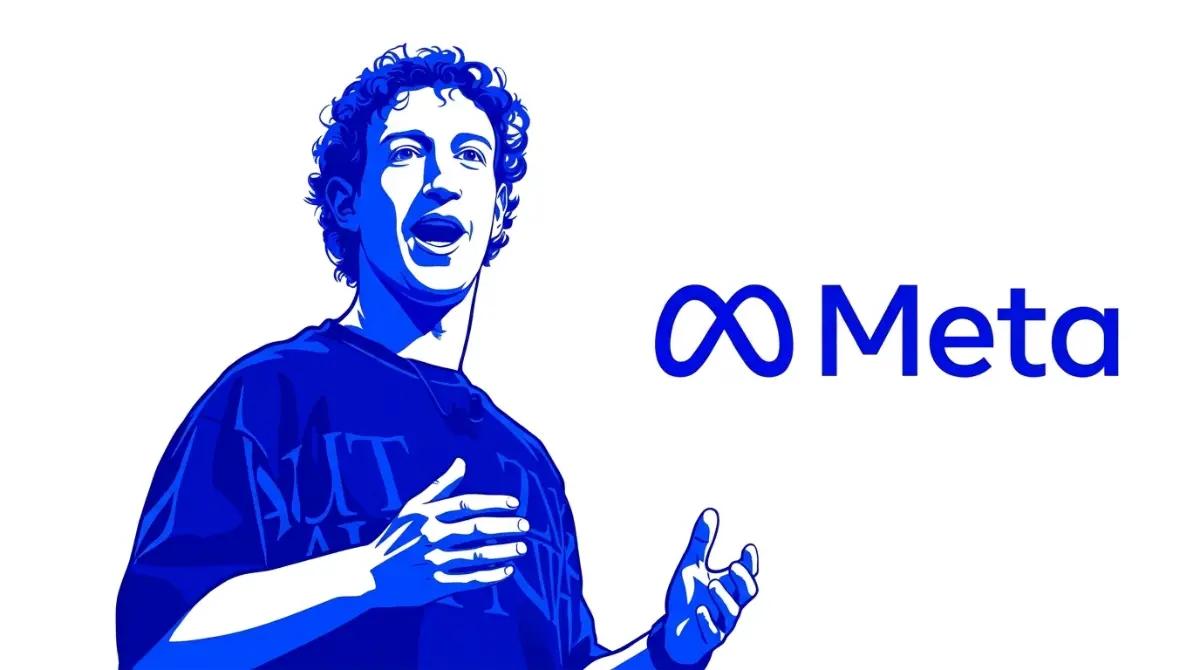
Meta Acquires AI Coding Agent Startup Conductor
Meta Platforms acquired developer platform Conductor to orchestrate fleets of concurrent coding agents, shutting down the startup standalone cloud service on November 20 as Mark Zuckerberg prepares to launch multi-agent software engineering environments in 2027.
Umar Thariwat | · 6 min read

Pairing a single software engineer with a conversational coding bot was only the first chapter of automated programming. In early development workflows, a programmer asked an assistant to write a function, reviewed the output line by line, and pasted the code into an integrated development environment. That turn-by-turn workflow is too slow for complex enterprise software projects. Modern software development requires coordinating entire teams of specialized agents: having one agent write backend database queries, a second generate user interface elements, a third write unit tests, and a fourth audit code for security vulnerabilities simultaneously. Social media giant Meta Platforms moved to take control of that multi-agent architecture on Wednesday, November 4, 2026. Meta announced that it acquired developer tooling startup Conductor for an undisclosed sum, bringing the young venture team and multi-agent coordination technology into its generative software group. The acquisition prompts an immediate shutdown of Conductor existing commercial service: new user registrations ceased immediately, and the Conductor Cloud platform will be turned off on November 20. The purchase arrives as platform operators race to control developer workflows, continuing artificial intelligence acquisitions we tracked when Nvidia invested $3B in Meta to deepen enterprise computing ties.
The acquisition marks a strategic expansion for Meta Chief Executive Officer Mark Zuckerberg, who has staked company resources on dominating open foundation models and developer tools. While Meta launched its Muse Code assistant in August to compete with GitHub Copilot and Cursor, Muse operated primarily as an individual text assistant. Founded in 2024 by Charlie Holtz, Conductor built an interface that allows software developers to launch, supervise, and coordinate swarms of autonomous agents working on different software repositories in parallel. Holtz confirmed the acquisition in an official statement, promising that the combined engineering teams will introduce an entirely new development interface in early 2027. The deal underscores how the competitive battlefield in automated programming is moving past raw model benchmark scores toward developer user experience: building software environments that make supervising autonomous agent legions simple and reliable. The consolidation of developer tools matches patterns we monitored when Cognition AI reached record coding revenue run rates.
The Multi-Agent Shift: Why Solo Coding Bots Hit a Ceiling
To grasp why Meta acquired Conductor, one must evaluate why single-agent coding assistants struggle with enterprise codebases. When a developer uses an assistant like Copilot, the model operates sequentially: reading one file, writing one function, and waiting for human approval.
Real-world software engineering is inherently parallel. Building a modern web application requires synchronizing database schemas, REST APIs, frontend components, CSS styling, and automated regression tests across multiple code branches. A single coding assistant working in isolation frequently introduces breaking changes: updating a database field without adjusting the corresponding frontend form. Conductor designed an orchestration engine that acts like an automated engineering manager. A developer defines a high-level project goal: such as "add Google single sign-on authentication across the mobile and web portals". Conductor decomposes the assignment into sub-tasks, launching four autonomous agents that work in isolated sandboxes simultaneously. The software coordinates git branch merges, resolves dependency conflicts, and runs automated test suites before presenting the finished code to the human developer for final review. The transition toward automated multi-agent coordination was explored in our analysis of Meta releasing open weights paired with personal computers.
The Cloud Shutdown: November 20 Deadline and Data Migration
While the acquisition provides Meta with specialized engineering talent, existing Conductor customers face immediate disruption. Conductor announced a rapid phase-out schedule for its commercial cloud services:
- November 4, 2026: Immediate freeze on all new user registrations and new account creation.
- November 13, 2026: Sending new messages and launching new cloud agent runs will be disabled across all customer workspaces.
- November 20, 2026: Conductor Cloud servers will be permanently powered down, initiating complete deletion of user data and stored repositories.
- Early 2027: Local client software will continue functioning temporarily on macOS, but will lose cloud execution environments and remote sandboxing.
The abrupt shutdown highlights the risks facing software developers who build production workflows on early-stage venture-backed tools. Independent developers and agency software teams who integrated Conductor into daily development pipelines must scramble to export chats and migrate codebases before servers go dark on November 20. Meta decision to shut down the external product indicates that Zuckerberg intends to integrate Conductor multi-agent orchestration directly into Meta internal development platforms and upcoming commercial developer tools, rather than running a standalone third-party subscription service. Developer platform shutdowns and startup pivots match trends we documented when privacy assistant Ollie shut down operations.
Comparing Developer AI Coding Platforms
| Platform Solution | Corporate Parent | Agent Execution Model | Primary Workflow Strength | Deployment State |
|---|---|---|---|---|
| Conductor (Acquired) | Meta Platforms | Parallel multi-agent orchestration | Coordinating multiple coding agents at once | Cloud shuts Nov 20; Meta re-launch 2027 |
| Cursor (Anysphere) | Independent (SpaceX backed) | Single-agent editor integration | In-line code completion and codebase search | Active commercial desktop application |
| Devin (Cognition AI) | Cognition AI ($2B+ valuation) | End-to-end autonomous agent | Independent issue resolution and deployment | Enterprise subscription tier |
| GitHub Copilot Workspace | Microsoft | Sequential task-based planning | Deep GitHub issue and PR integration | Commercial enterprise rollout |
| Claude Code (CLI) | Anthropic | Terminal-based tool use | Direct terminal bash command execution | Research preview across developer accounts |
The comparative data illustrates how the software development stack is consolidating into corporate camps. With Microsoft owning GitHub Copilot, OpenAI investing in coding startups, and Anthropic promoting Claude Code, Meta needed a dedicated developer environment to showcase its open Llama models. Acquiring Conductor gives Meta the software interface needed to turn its raw model weights into a practical development tool for enterprise engineering teams. Enterprise software integration models were detailed in our review of Zoho adding contextual analytics to power enterprise agents.
The 2027 Horizon: Meta Vision of Agent Legions
The strategic roadmap outlined by Charlie Holtz points to early 2027 as the debut window for Meta updated development platform. Inside Meta Reality Labs and central engineering divisions, thousands of programmers are already testing internal multi-agent tools to accelerate software delivery.
Meta vision extends beyond helping human engineers write code faster; leadership envisions a world where non-technical product managers can describe a consumer application in plain language, prompting an automated fleet of agents to assemble, test, and deploy the finished software autonomously. Conductor expertise in managing workspace state, container sandboxing, and agent-to-agent communication provides the operational plumbing required to turn that vision into reality. By pairing Conductor multi-agent engine with Meta open Llama models and custom MTIA silicon, Meta aims to offer a developer ecosystem that undercuts proprietary tools from Microsoft and OpenAI. Mergers and acquisitions across mature tech firms match corporate strategies we explored when Guidewire acquired Hyperexponential in a $1.7B insurance software deal.
The Long-Term Outlook for Autonomous Software Engineering
Meta acquisition of Conductor confirms that the software engineering profession is undergoing its most profound structural reorganization since the invention of high-level programming languages. Writing code by hand is becoming obsolete; the future belongs to software architects who supervise legions of autonomous machine agents.
By absorbing Conductor, Mark Zuckerberg has positioned Meta at the center of this developer evolution. Shutting down Conductor Cloud will cause short-term irritation for early users, but the technology being developed behind closed doors in Menlo Park will reshape how digital software is built across the globe. As the software industry prepares for the early 2027 rollout, the message to developers is clear: the era of working as an individual coder is closing, and the era of commanding your own automated software army has officially arrived.
Read More on TechRobust:
Umar Thariwat
Umar Thariwat
Expertise:Tech News Reporting, Tech Business Analysis, Economic Foundations, Market Trends, Digital Economy
Award:Rising Voice of the Year 2025
Thariwat is a Staff Writer and Reporter covering tech news and enterprise trends at TechRobust. Blending daily reporting with her ongoing academic background in economics, she analyzes earnings, digital market, and the commercial strategies powering the global tech sector.
Related Stories
AMD Takes $1.07B Charge on OpenAI and Meta Chip Deals DeepSeek $15.9B Deal Drives October Global VC to $59B
 Apple Eyes Third-Party AI Apps for Services Revenue