


Apple iPhone 18 Pro Under-Display Face ID Secrets Revealed
Apple reengineers the OLED display to hide the TrueDepth Face ID sensors beneath the screen, applying custom pixel brightness adjustments and infrared filters to drastically shrink the front cutout.
Goriola Ayankoya | 30 Sept. 2026 · 7 min read

Smartphone manufacturers have chased a specific hardware goal for over a decade: building a phone that is entirely a single pane of glass. No notches, no visible sensors, and no punch holes. Apple has taken a massive step toward that reality with the iPhone 18 Pro. The engineering team successfully buried the infrared Face ID authentication module entirely beneath the active display. They achieved this invisible integration without ruining the screen quality and without sacrificing the security of the biometric scanner.
Moving a sensor underneath an illuminated display creates immediate physical problems. To allow an infrared camera to see through a screen, the manufacturer must reduce the number of pixels in that specific area. Creating gaps between the pixels lets the necessary light reach the sensor below. However, cutting the pixel density in half normally creates a visible dark patch on the screen. Users would instantly notice a dim, pixelated square floating near the top of their device. The company refused to ship a product with a visible screen defect. We noted similar hardware friction when reviewing display constraints in our hands-on iPhone 18 Pro and $2000 iPhone Duo coverage. Hardware teams must balance internal components against external aesthetics.
To fix this dimming problem, Apple deployed a clever software and hardware combination. The display controller automatically increases the brightness of the remaining pixels sitting directly above the Face ID module. By forcing those specific pixels to emit more light, the display compensates for the physical gaps. The illuminated area blends perfectly with the rest of the screen. Human eyes cannot detect the difference in pixel density because the brightness adjustment tricks the optic nerve.
Resolving the brightness issue only solved half the problem. The Face ID system relies on projecting infrared dots onto a user's face and reading the reflection. If visible light from the OLED display bleeds into the sensor, it blinds the infrared camera. To prevent this interference, engineers installed a highly specialized infrared pass filter directly between the screen and the camera. This filter strictly blocks visible light from entering the module while allowing infrared wavelengths to pass through freely. The careful internal arrangement ensures the biometric system works perfectly even when the screen is displaying a bright white background. This precise engineering mirrors the internal adjustments discovered during the recent iPhone 18 Pro Max teardown battery display flaw investigation, proving how tightly packed the new chassis actually is.
Independent hardware technicians verified these changes by placing the new screen under heavy microscopic magnification. When viewed through a microscope, the gaps in the pixel grid become obvious. The underlying infrared camera sits completely hidden from normal view. To the naked eye, the screen appears unbroken. Even under harsh sunlight or extreme viewing angles, the hidden camera remains impossible to spot. Apple specifically advises against covering this area with cheap accessories, a warning echoed when the Apple hardware boss stated that iPhone screen protectors ruin displays and interfere with sensor accuracy.
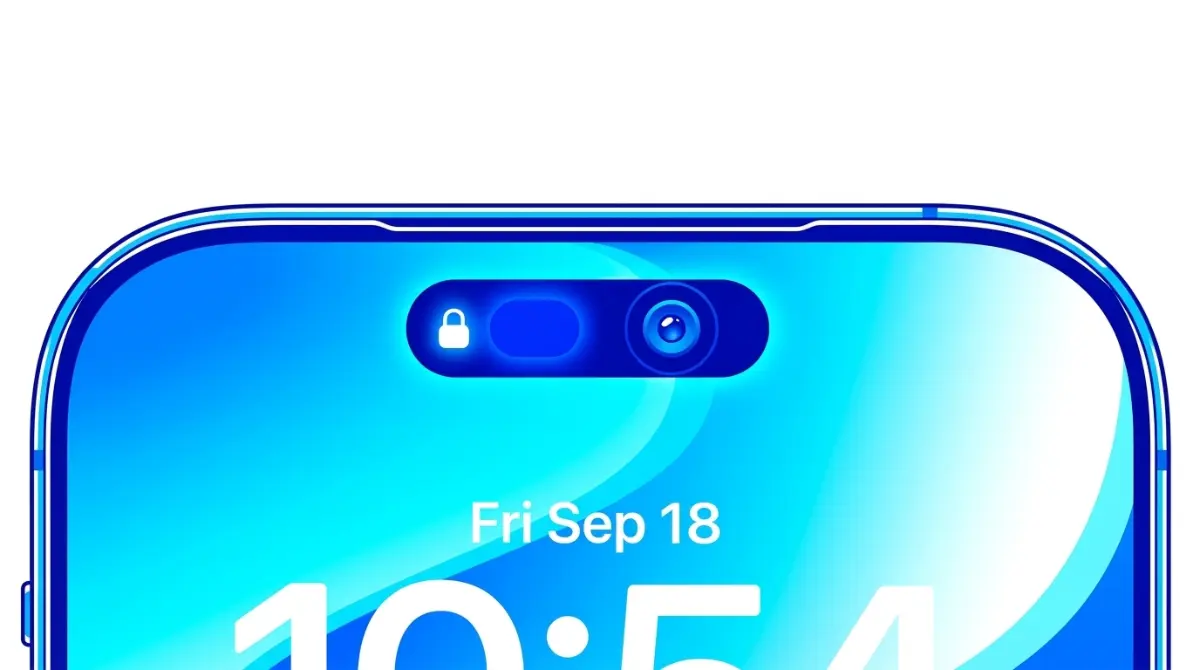
Hiding the infrared components yields an immediate interface benefit. The visible front cutout, which houses the remaining selfie camera and the dot projector, is now 25 percent smaller than the previous generation. Shrinking this dead space reclaims valuable pixels at the top of the screen. The operating system takes immediate advantage of this extra room. The interactive software pill at the top of the screen can now display three simultaneous background activities instead of just two. Users can track a flight, monitor a sports score, and control their music playback without opening a single application. The underlying software controlling these activities received a massive overhaul, tying directly into the improvements seen when Apple iOS 27 speeds up iPhones in thirty system areas.
The new hardware layout did experience some early growing pains. Some early buyers reported that their phones would freeze and reboot entirely if the biometric scan failed. The software panicked when the hidden camera could not authenticate a face, forcing a hard reset. The company quickly acknowledged the bug and promised an immediate software patch to stop the crashing. We tracked the rapid response to this specific glitch when Apple prepared a fix for the iPhone 18 Pro random reboot bug. The issue was strictly software related, proving the physical under-display sensors were functioning exactly as designed.
With the Face ID module successfully hidden, the obvious question is why Apple did not hide the selfie camera as well. The answer comes down to image quality. While an infrared sensor can easily read heat signatures through a specialized filter, a standard optical camera struggles to capture clear photos through a pixel grid. Light passing through the small gaps in the screen scatters, creating a foggy, washed-out image. Competitors have released phones with hidden selfie cameras, but the resulting photos always look terrible. Apple relies heavily on its reputation for excellent photography. Releasing a premium device that takes blurry selfies is simply not an option for the corporate board.
Industry analysts expect the selfie camera to remain visible for at least another hardware cycle. Supply chain leaks suggest the engineering team might finally conquer the optical distortion problem by 2027. That timeline aligns perfectly with the rumored twentieth anniversary of the original iPhone. Launching a completely bezel-less, unbroken pane of glass would serve as the ultimate hardware flex for that specific milestone. The corporate leadership is aggressively restructuring to meet these upcoming hardware deadlines, a strategy highlighted when Apple appointed John Ternus as Chief Executive Officer to oversee the next decade of physical product design.
Hiding internal components alters the entire accessory market. As the phone becomes a solid block of glass and metal, external connections disappear. The company already relies heavily on magnetic induction for charging and data transfer. Pushing the industry toward uniform wireless standards guarantees the phone can eventually drop its physical charging port entirely. We observed this exact standardization push when Apple backed the Qi2 wireless charging standard for smartphones. A device without ports or visible sensors is highly resistant to water and dust damage, increasing the overall lifespan of the hardware.
These physical upgrades carry a heavy financial cost. The specialized OLED panels require intense manufacturing precision. If a single pixel above the camera fails, the biometric system could misread a scan. The company negotiated fierce contracts with its display suppliers to keep the rejection rate low. Maintaining tight control over the supply chain is the only way to produce these screens at massive volumes without destroying profit margins. The corporate legal team constantly defends these supply agreements, an ongoing battle visible when Qualcomm renewed a global patent license agreement with Apple. Building the most advanced screen on the market requires securing the patents to protect it.
Despite the impressive engineering, early sales metrics indicate a lukewarm reception from the general public. While technology enthusiasts appreciate the smaller screen cutout, average consumers struggle to justify upgrading their current devices just for a slightly cleaner status bar. We covered this unexpected retail apathy when nobody wanted the iPhone 18 Pro and pre-orders cratered. The hardware is undeniably impressive, but convincing buyers to spend over a thousand dollars requires more than just hiding a few sensors.
To generate broader excitement, the company is actively expanding its hardware portfolio beyond traditional smartphones. They are investigating completely new product categories to capture different health and fitness demographics. This aggressive expansion matches the experimental hardware tests we exposed when Apple tested a screenless fitness tracker as a Whoop rival. If the smartphone market saturates, the company must find new ways to sell physical devices.
The iPhone 18 Pro proves that the physical limits of glass and silicon are still expanding. Hiding a highly sensitive biometric scanner beneath a glowing display requires an incredible intersection of optics, software manipulation, and manufacturing discipline. The front cutout is shrinking, and the fully invisible phone is finally coming into focus. The only remaining question is whether consumers will actually care when it arrives.
Read More on TechRobust:

Goriola Ayankoya
 LinkedIn
Goriola Ayankoya
Expertise:Consumer Hardware, Smartphone Trends, Gadget Reviews, Breaking Tech News, Mobile Ecosystems
Award:TechRobust Hardware Reporter of the Year 2025
Goriola is a Staff Writer and Reporter specializing in consumer technology, breaking tech news, and hands-on hardware analysis. He tracks fast-paced mobile developments, reviews modern gadgets, and unpacks product launches to give readers clear, practical insights into everyday consumer tech.