


 LinkedIn
 How a $10 Tool Saves BIOS-Locked ThinkPads From Landfills
Google Launches $30 Pixel Tag to Rival Apple AirTag
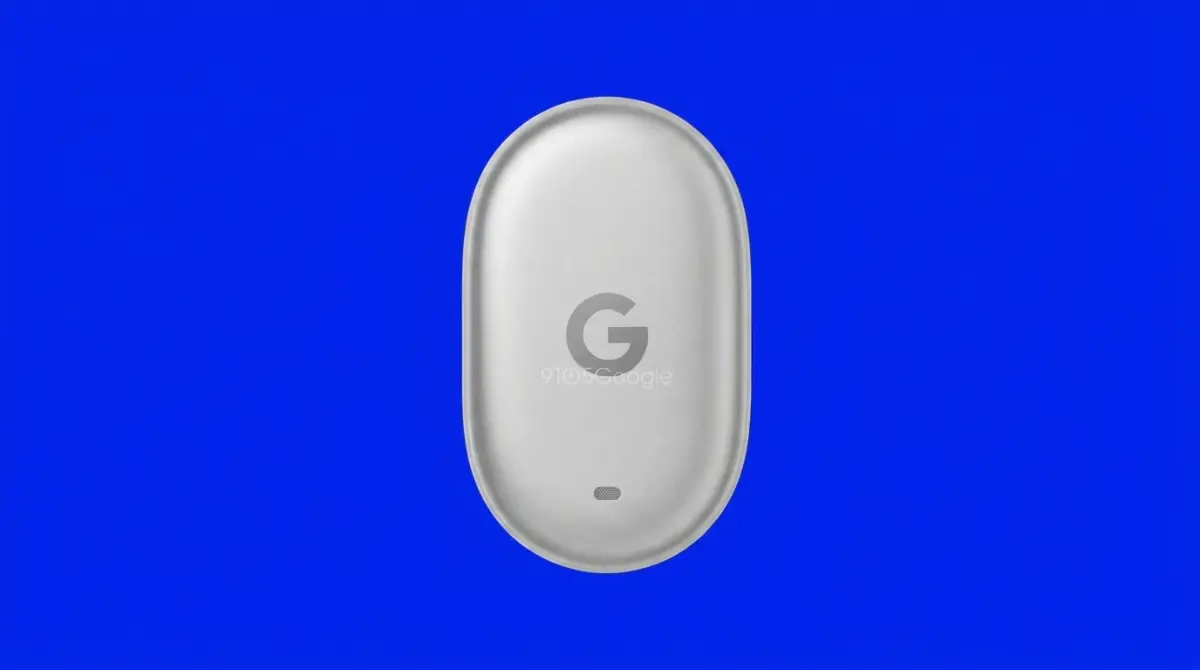
Google officially released the $30 Pixel Tag, introducing an Android-native tracking beacon with ultra-wideband precision finding, a replaceable coin battery, IP68 water sealing, and cross-platform anti-stalking alerts to challenge Apple hardware dominance.
Goriola Ayankoya | · 4 min read

Losing keys, luggage, and backpacks created a multi-billion-dollar accessory monopoly for Apple. When Cupertino launched the AirTag five years ago, the coin-sized beacon leveraged hundreds of millions of circulating iPhones to build an involuntary crowdsourced tracking net. Android users were left with fragmented third-party trackers from Tile and Chipolo that lacked native operating system integration and system-level security protections. Google corrected that hardware deficit on Tuesday, November 10, 2026. The search giant launched the Pixel Tag, a $30 tracker built directly for Android updated Find My Device network. Featuring ultra-wideband (UWB) directional finding, an IP68 dust and water resistance rating, a replaceable CR2032 battery, and cross-platform safety protections developed alongside Apple, the Pixel Tag brings native tracking parity to three billion global Android devices. The hardware launch arrives as personal computing hardware accessories mature, continuing device ecosystem coverage we monitored when Samsung added multi-platform tracking to SmartTag hardware.
The release represents a coordinated expansion of Google hardware perimeter under hardware chief Rick Osterloh. While third-party manufacturers built compatible beacons for Android Find My Device network over the past eighteen months, build quality was inconsistent: speakers were too quiet, plastic casings cracked easily, and UWB directional arrows were missing. The Pixel Tag packages premium components into an aluminum-ringed polycarbonate puck. An integrated speaker emits an eighty-five-decibel chime, helping users locate keys buried deep beneath sofa cushions. For precision tracking within twenty feet, the beacon uses an internal UWB chip that draws directional compass arrows on Pixel and Galaxy smartphone displays, guiding the owner directly to the lost item. The tracker uses standard coin-cell batteries that deliver over four hundred days of continuous power, eliminating the waste of sealed, non-rechargeable hardware. Personal hardware design evolutions were explored in our retrospective on ten years of Google Pixel hardware history.
The Privacy Coalition: Cross-Platform Anti-Stalking Protections
To inspect why Google took years to release a first-party tracking beacon, one must examine the stalking scandals that plagued early tracker rollouts. When AirTags debuted, abusive individuals slipped the coins into women purses and vehicle wheel wells to track physical movements without consent.
Google refused to launch first-party tracking hardware until joint industry security standards were finalized. Working with Apple and the Internet Engineering Task Force, Google built the Detecting Unwanted Location Trackers standard directly into Android and iOS operating system cores. If an unknown Pixel Tag separates from its owner and travels alongside an iPhone user for more than twenty minutes, the iPhone screen sounds a prominent alert, providing a map of the travel route and instructions to disable the battery. Android devices execute the identical safety checks for rogue AirTags. Google also added manual privacy scanning inside system settings, letting users sweep hotel rooms or rental vehicles for unknown Bluetooth beacons at any time without downloading specialized software. The unified defense ensures that location trackers remain personal utility tools rather than tools for criminal harassment. Audio accessory testing and personal gadget standards match benchmarks detailed in our tested guide to the best wireless earbuds tested for everyday listening.
Comparing Major Smart Tracking Beacons
| Tracker Model | Retail Unit Price | Crowdsourced Network | Precision Finding | Battery Architecture | Ingress Sealing |
|---|---|---|---|---|---|
| Google Pixel Tag | $30 ($99 for 4-pack) | Android Find My Device (3B+ nodes) | Ultra-Wideband (UWB) | Replaceable CR2032 (400+ days) | IP68 (1.5m water submersion) |
| Apple AirTag | $29 ($99 for 4-pack) | Apple Find My (1.5B+ nodes) | Ultra-Wideband (U1/U2) | Replaceable CR2032 (1 year) | IP67 (1m water immersion) |
| Samsung SmartTag 3 | $35 ($110 for 4-pack) | Samsung SmartThings Find | UWB + Compass Guidance | Replaceable CR2032 (500 days) | IP68 water/dust proof |
| Tile Pro (Life360) | $35 ($100 for 4-pack) | Tile / Life360 user app network | Bluetooth signal strength only | Replaceable CR2032 (1 year) | IP67 water resistant |
The comparative data highlights why the Pixel Tag changes consumer dynamics. By tapping the global Android network, Google matched the density of Apple tracking web. Android smartphones act as passive listening nodes: detecting nearby Pixel Tags and uploading encrypted location coordinates to cloud servers without user intervention. The IP68 water rating exceeds the AirTag IP67 rating, ensuring that luggage left on rainy airport tarmac survives without water damage. Personal gadget ecosystems and accessory choices were explored in our review of compact power accessories for mobile workflows.
The Road Forward for Android Accessory Hardware
The release of the $30 Pixel Tag completes an essential piece of Google consumer hardware portfolio. For years, Android users felt like second-class citizens in personal tracking, forced to choose between proprietary manufacturer silos or unreliable third-party apps.
By delivering an affordable, durable, and privacy-conscious tracker backed by three billion active devices, Google proved that it can match Apple ecosystem polish when it focuses engineering resources. As travelers pack luggage for holiday journeys, the Pixel Tag provides peace of mind across the globe. In the consumer electronics race, victory belongs to the platforms that turn everyday anxieties into simple, invisible solutions.
Read More on TechRobust:

Goriola Ayankoya
Goriola Ayankoya
Expertise:Consumer Hardware, Smartphone Trends, Gadget Reviews, Breaking Tech News, Mobile Ecosystems
Award:TechRobust Hardware Reporter of the Year 2025
Goriola is a Staff Writer and Reporter specializing in consumer technology, breaking tech news, and hands-on hardware analysis. He tracks fast-paced mobile developments, reviews modern gadgets, and unpacks product launches to give readers clear, practical insights into everyday consumer tech.
Related Stories
How a $10 Tool Saves BIOS-Locked ThinkPads From Landfills Motorola Signature 27 Arrives With 7,000mAh Battery
 Nothing Confirms Screen-Free AI Device for December