
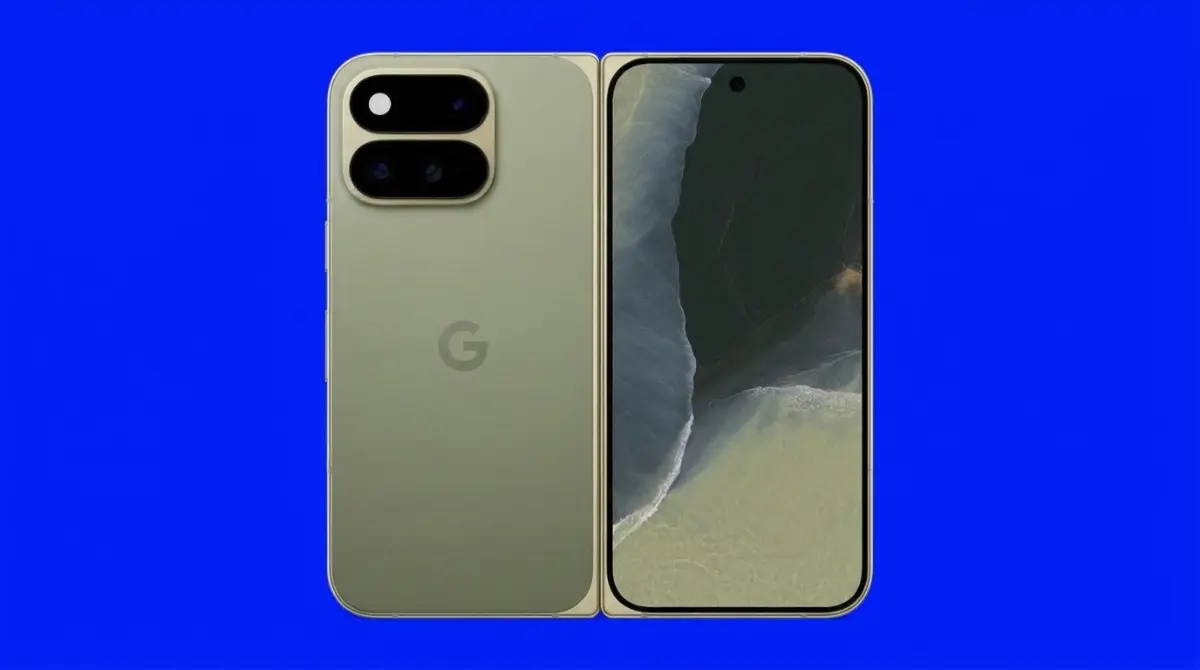


Google Pixel 11 Pro Fold Review: The Sturdy Slate
Google Pixel 11 Pro Fold delivers a durable 10.1mm shell, refined dual-axis hinges, and helpful voice tools, but trimmed telephoto cameras and a prominent screen crease test its eighteen-hundred-dollar price against expanding international folding flagships.
Chinedu | · 10 min read

Carrying a folding smartphone used to feel like walking around with an experimental science project in your pocket. Early folding handsets creaked when opened, wobbled on flat desks, and felt uncomfortably thick when folded shut. Worst of all, owners lived in constant terror that a few specks of beach sand or an accidental fingernail scrape would destroy the flexible glass inside. The hardware landscape in late 2026 presents a completely different picture. Chinese manufacturers are rolling out impossibly thin five-millimeter foldables, while Apple joined the category with its passport-style $1,999 iPhone Duo. Into this competitive arena steps the Google Pixel 11 Pro Fold. Priced at $1,899, Google third-generation foldable does not chase extreme razor-thin styling or radical new aspect ratios. Instead, Google built a sturdy, rectangular work machine: shaving its folded thickness down to 10.1 millimeters while packaging thoughtful software assistance tools like Rambler and Gemini Intelligence. After weeks of daily testing, the device proves that Google understands practical productivity, even as camera compromises and an unyielding screen crease remind buyers of the trade-offs required to fold glass. The device review arrives as folding hardware durability faces intense consumer scrutiny, continuing evaluations we followed in our hands-on testing of the $2,000 iPhone Duo.
The immediate physical impression of the Pixel 11 Pro Fold is reassuring solidity. When closed, the phone measures 10.1mm thick: down from the 10.8mm profile of the Pixel 10 Pro Fold. When opened into its eight-inch inner workspace, the chassis measures just 5.0mm thin, down from 5.2mm last year. While these millimeter reductions look modest on a spec sheet, they transform everyday handling. The phone slips into denim pockets without creating an awkward bulge, and typing on the 6.3-inch outer cover screen feels completely natural. Google avoided the narrow cover screen design that made earlier Samsung foldables frustrating to use, retaining a comfortable 20:9 aspect ratio that lets you type two-handed messages without mistyping letters. The matte aluminum frame, paired with a new glass-ceramic outer shield, resists pocket scuffs and provides a confident grip. The dual-axis steel hinge opens with smooth resistance, snapping flat at one hundred and eighty degrees without the slight inward angle that plagued earlier models. Hardware structural engineering across mobile devices matches durability analyses we detailed when iFixit tore down folding hinges to uncover causes of screen failure.
The Screen Crease and the Missing Anti-Reflective Coating
Open the Pixel 11 Pro Fold, and you encounter its most glaring physical limitation: the center crease. In an industry where competitors like OnePlus and Honor have engineered waterdrop teardrop hinge chambers that make screen folds almost invisible to the touch, Google crease remains pronounced.
When running a finger across the eight-inch flexible OLED panel, you feel an unmistakable mechanical trench down the middle. In dimly lit rooms, the crease disappears from view when watching full-screen video content. Under direct office lighting or bright outdoor sunlight, the crease reflects harsh glare, drawing your eye straight to the fold. The problem is worsened by Google decision to omit an anti-reflective coating on the inner flexible glass. While Samsung equips its latest foldables with glare-suppressing display layers, the Pixel 11 Pro Fold inner screen acts like a dark mirror in daylight. The display itself is gorgeous: an LTPO panel running between 1Hz and 120Hz with peak outdoor brightness reaching 2,700 nits. If you plan to read long PDF contracts or edit spreadsheets on outdoor cafe patios, that center reflection will irritate you. Display durability and user attitudes toward folding glass were examined in our report on consumer attitudes toward foldable smartphone designs.
The HiLight Indicator: A Subtle Glow on the Camera Visor
On the back of the device, Google added an interesting hardware feature: the HiLight indicator. Built into the matte camera visor, HiLight is a pill-shaped LED strip that glows with customized color tones.
Unlike aggressive gaming lights that flash continuously, HiLight is deliberately understated. In daily testing, the indicator serves two distinct functions:
- Priority Contact Alerts: The light pulses with a gentle colored glow when a call or direct message arrives from contacts marked as favorites, staying dark for routine notifications.
- Gemini Visual Feedback: When you use conversational Gemini hands-free while the phone rests face down on a conference table, the strip pulses gently to confirm the assistant is listening and processing commands.
Beyond those two actions, the feature does little else. You cannot customize it to strobe with music playback, and third-party messaging apps cannot trigger distinct lighting patterns yet. It is a neat design touch that adds personality to the camera bar, but nobody should buy this phone solely for the light strip. Hardware design evolutions across Google flagship lines were explored in our analysis of ten years of Google Pixel hardware history.
Software and Multitasking: Rambler Steals the Show
Software is where Google justifies the $1,899 price tag. Running Android 17, the Pixel 11 Pro Fold feels mature, stable, and responsive. Split-screen multitasking allows you to run two applications side by side with a simple swipe from the bottom taskbar.
Google tuned its native apps to make full use of the eight-inch canvas. In Gmail, your inbox sits on the left half of the display while an active email opens on the right, allowing you to triage dozens of work messages in minutes. In Google Docs, you can keep research notes open on one side while typing your draft on the other. Magic Cue provides timely suggestions: detecting when you are looking at flight reservations and pulling up your boarding pass automatically. The absolute standout software feature is Rambler, Google updated voice dictation engine. Rambler completely transforms mobile typing. You can dictate messy, conversational thoughts: pausing, saying "um," correcting yourself mid-sentence by saying "no, wait, change that to tomorrow morning": and Rambler cleans up the text in real time. The tool removes filler words, corrects grammatical missteps, formats bullet points, and drops in punctuation accurately. For responding to long emails or capturing meeting notes without typing on a wide screen, Rambler is the most useful voice tool on any mobile phone today. Software multitasking on wide screens was examined in our report detailing split-screen multitasking approaches across folding devices.
Comparing Flagship Foldable Smartphones in Late 2026
| Device Model | Folded / Unfolded Profile | Main Camera Hardware | Telephoto Optical Range | Crease Prominence | Starting Retail Price |
|---|---|---|---|---|---|
| Google Pixel 11 Pro Fold | 10.1mm / 5.0mm | 48MP (1/2" sensor) | 5x optical (30x Super Res) | Noticeable groove; glare prone | $1,899 base |
| Samsung Galaxy Z Fold 8 Ultra | 9.8mm / 4.7mm | 200MP ISOCELL HP2 | 5x optical (100x Space Zoom) | Shallow; anti-reflective layer | $2,099 base |
| Apple iPhone Duo | 9.5mm / 4.8mm | 48MP Fusion dual array | 4x optical periscope | Tight fold; hinge pinch issues | $1,999 base |
| Honor Magic V6 | 9.2mm / 4.4mm | 50MP Falcon H9000 | 3.5x optical periscope | Almost flat; minimal shadow | ~$1,699 import |
| OnePlus Open 2 | 10.0mm / 4.9mm | 48MP Sony LYT-T808 | 6x optical periscope | Very shallow waterdrop fold | $1,699 base |
The comparative data reveals the compromise at the center of Google strategy. In terms of thickness and weight, the Pixel 11 Pro Fold sits comfortably in the middle of the pack. Where it struggles against Samsung and Honor is camera sensor size and crease suppression. Competitors like Samsung give their ultra-tier foldables flagship 200MP cameras and anti-glare display treatments. Google continues to treat the camera setup on its folding phone as a lower tier than its conventional slab flagships. Folding hardware trade-offs were examined in our review of the iPhone flagship review and upgrade guide.
The Camera Compromise: Why the "Pro" Label Stretches the Truth
For years, folding smartphones suffered from inferior cameras compared to conventional slab phones because cramming large camera sensors into a razor-thin chassis is physically difficult. While that physical constraint is understandable, Google continuing to badge this phone with the "Pro" moniker feels misleading.
The Pixel 11 Pro Fold takes pleasant, colorful photographs that will satisfy social media feeds. It uses a 48MP main sensor, a 10.5MP ultrawide lens, and a 10.8MP 5x optical telephoto lens. When tested side by side with the standard Pixel 11 Pro or Pro XL, the difference is obvious. The Fold lacks the 48MP high-resolution telephoto sensor found on the Pro XL, capping its digital magnification at 30x Super Res Zoom rather than the 120x Pro Zoom available on slab models. Even worse, Google stripped away several headline software camera tools: the Fold misses out on Instant Night Sight, 8K Video Boost, and Pro Stable Video. You do get Camera Looks: customizable color tone presets that let you shoot photos with a warmer, less-processed look: and Magic Capture, which picks the sharpest smiling faces from short video clips. For an eighteen-hundred-dollar phone badged as a Pro tool, losing Google best camera features to thermal and physical space constraints is a bitter pill. Camera hardware benchmarks across flagship phones match analyses we detailed in our hands-on look at the Vivo X500 Pro Max optical camera array.
Battery Life and Pixelsnap Charging Performance
Powering two displays: a 6.3-inch cover screen and an eight-inch internal tablet: demands disciplined battery management. The Pixel 11 Pro Fold houses a 4,850mAh split-cell battery divided across both halves of the titanium-aluminum frame.
In our daily endurance testing, the phone easily survived a standard sixteen-hour workday. With four hours of screen-on time split between the outer screen and inner workspace: answering emails, browsing news feeds, streaming video, and running navigation maps: the battery ended the day with roughly twenty percent charge remaining. If you unfold the large screen to play graphics-heavy 3D games or edit long video clips, the battery drains much faster, dropping to zero in under five hours of continuous inner screen gaming. Wired charging tops out at 30W, taking roughly eighty minutes to complete a full recharge. The phone supports 25W Pixelsnap wireless charging: Google magnetic alignment standard compatible with Qi2 chargers. While charging speeds lag behind the 120W speeds offered by Chinese manufacturers, magnetic alignment makes bedside charging effortless. Battery management across mobile devices was explored in our analysis of mobile charging standards across consumer hardware.
Long-Term Durability: Hinge Improvements and Repairability
The biggest question for any prospective foldable buyer is longevity. Google addressed several mechanical failure points from previous generations. The redesigned gear hinge uses fewer moving parts, sealing internal tracks with micro-bristles that sweep away pocket grit before foreign particles can enter the gear teeth.
The phone carries an IPX8 water resistance rating, meaning it survives thirty minutes of accidental freshwater submersion. It lacks an official dust rating, so taking this device to sandy ocean beaches or dusty construction yards remains a serious hazard. On the repair front, Google partnered with independent repair networks to supply genuine replacement parts, display assemblies, and battery packs through its Self Service Repair program. Replacing the inner flexible display still costs over $700 without extended insurance, making Google Preferred Care almost mandatory for anyone buying this hardware. The physical mechanics of folding phone hinges were detailed in our report on durability challenges slowing folding hardware manufacturing.
The Final Verdict: A Solid Workhorse for Foldable Devotees
The Google Pixel 11 Pro Fold is the most refined, practical folding smartphone Google has ever built. By shaving the folded thickness to 10.1mm, engineering a solid hinge that snaps flat, and providing exceptional software productivity tools like Rambler and Gemini Intelligence, Google delivered a reliable pocket computer.
The device is not without painful compromises. At $1,899, asking buyers to accept a prominent screen crease, no anti-reflective display coating, and camera hardware that trails the cheaper Pixel 11 Pro XL is a tough sell. If camera performance is your top priority, buy the Pixel 11 Pro XL and save $700. If you want a slim, pocketable folding device with clean software, dependable multi-window workflows, and voice tools that make answering emails a breeze, the Pixel 11 Pro Fold is a sturdy, dependable companion that earns its place in your pocket.
Read More on TechRobust:

Chinedu
 LinkedIn
Chinedu
Expertise:Consumer Tech Reviews, Comparative Analysis (Versus Testing), Product Benchmarking, Technical Tutorials, Consumer Buying Advice
Award:TechRobust Reviewer of the Year 2025
Chinedu serves as Editor-at-Large overseeing TechRobust’s buyer guidance and utility verticals. He specializes in methodical product teardowns, head-to-head showdowns, curated buyer lists, and deep-dive instructional guides, delivering actionable, evidence-driven verdicts that help readers make informed hardware and software decisions.