


 LinkedIn
 Amazon Buys Decart AI Optimization Tech for $7.5B

Sierra Doubles Valuation to $30B on AI Customer Demand
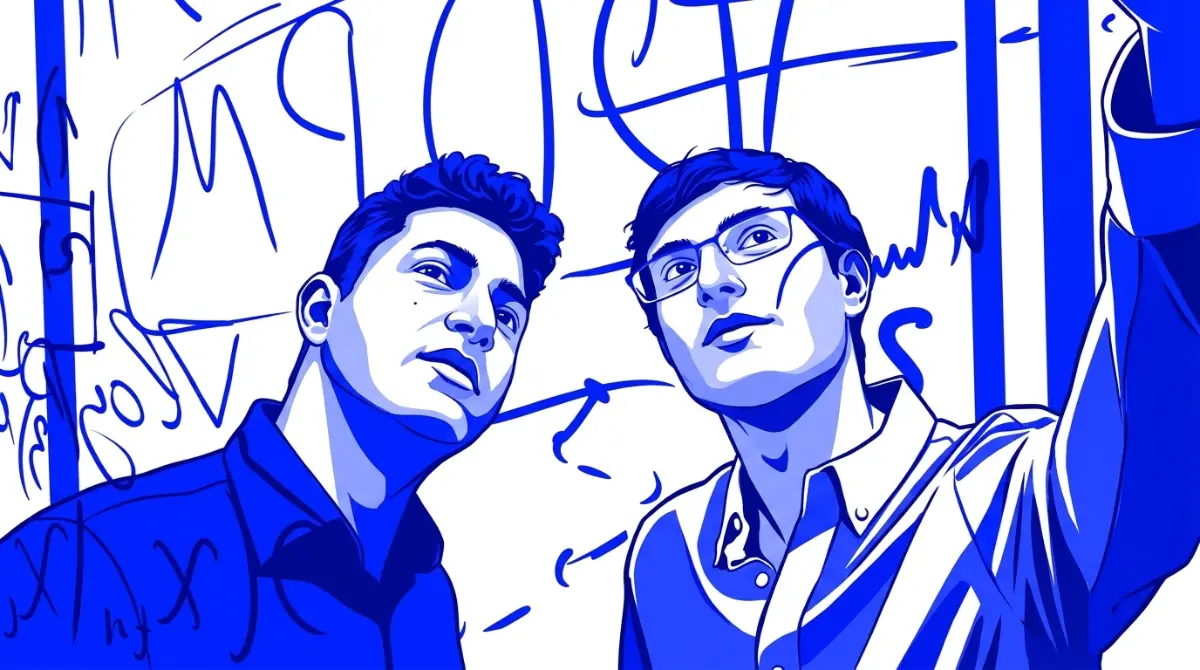
Enterprise customer service startup Sierra raised $1.75B in Series F funding at a $30B valuation led by Greenoaks and Lightspeed, doubling its private price tag in six months as annual recurring revenue reaches $400M across major global banks and retailers.
Umar Thariwat | · 8 min read

Public software stocks spent much of November wobbling under fresh bubble fears, yet private venture checks keep climbing to dizzying heights for companies that can show real corporate receipts. On Monday, November 23, 2026, enterprise customer experience startup Sierra announced a $1.75B Series F financing round that doubles its post-money valuation to $30B. Co-founded in 2023 by former Salesforce co-chief executive Bret Taylor and former Google executive Clay Bavor, the San Francisco company reached that $30B mark barely six months after closing a $950M round in May at a $15.8B valuation. Greenoaks and Lightspeed Venture Partners co-led the fresh investment, joined by every earlier lead backer returning to write bigger checks: Benchmark, Sequoia Capital, GV, and Tiger Global. Behind the eye-popping $30B figure sits an equally startling sales climb: Sierra crossed $400M in annual recurring revenue last month, doubling its run-rate sales inside five months and quadrupling from $100M in eleven months.
That financial pace forces a blunt rethink of where automated software is actually paying off in late 2026. While consumer chatbots fight over $20 monthly subscriptions and media studios argue over video clips, corporate customer service desks represent hundreds of billions of dollars in steady annual labor spending. Sierra bypassed tech-bro demos and marched straight into global banks, insurers, telecom carriers, and national retailers. According to the official Sierra Series F blog post, Taylor and Bavor now count nearly half of the Fortune 50 as paying customers. Turning a three-year-old software vendor into a $30B giant on the back of call-center automation puts immediate pressure on legacy software titans like Salesforce and Zendesk while setting a brutal new bar for every enterprise software valuation we examined in the 2026 enterprise AI valuation reckoning.
Why 18th-Century Banks Are Moving Faster Than Silicon Valley
Conventional technology wisdom claims that cautious, heavily regulated corporations adopt new software last. Sierra customer roster turns that assumption upside down. Rather than selling primarily to young software startups, Taylor and Bavor highlighted a client list stretching back to the 1700s and 1800s: BNY (founded 1784), Cigna (1792), JPMorganChase (1799), Pearson (1844), Wells Fargo (1852), Santander (1857), Sutter Health (1858), Guardian (1860), Next (1864), HSBC (1865), ScottsMiracle-Gro (1868), and ADT (1874), joined by modern corporate heavyweights Singtel, Cox Automotive, Sonos, SiriusXM, Wayfair, and Vanguard.
Legacy banks and insurers are signing multi-million-dollar checks because customer support is both a huge cost line and a painful legal risk. Traditional interactive phone menus leave callers trapped shouting "representative" into dead receivers, while offshore call centers suffer high staff turnover and slow training cycles. Sierra sells customized voice and text agents that serve as a company digital front door—answering billing disputes, originating simple loans, processing insurance claims, verifying warranties, and retaining canceling subscribers inside tight compliance rules. To serve European manufacturers, banks, and insurers under strict regional privacy laws, Sierra recently opened a Munich office led by newly appointed DACH regional vice president Florian Speckbacher, as detailed in Trending Topics European expansion coverage.
Outcome-Based Pricing and the Ghostwriter Bet
One big reason chief financial officers approve Sierra contracts quickly is how the company bills for its work. For twenty years, customer support software vendors charged flat monthly fees per human seat, forcing companies to pay whether support tickets got solved or bounced around for three weeks. Meanwhile, raw model providers bill per token, leaving corporate controllers terrified of runaway cloud bills every time a customer asks ten follow-up questions.
Sierra threw out both billing habits in favor of outcome-based pricing. As confirmed in FinSMEs Series F funding coverage, clients pay only when a Sierra agent finishes a verified business outcome—such as resolving a customer inquiry without human escalation, completing a loan application, settling an insurance claim, or keeping a paying subscriber from canceling. If the bot fumbles and hands the chat off to a human employee, the enterprise does not get billed for an automated resolution. That billing model aligns vendor incentives cleanly with corporate profit margins and explains why Sierra doubled annual recurring revenue to $400M in five months.
Underneath that commercial structure sit three technical bets funded by Monday $1.75B cash pile:
- Model Constellation Without Vendor Lock-In: Instead of betting corporate call centers on one single model maker, Sierra orchestrates multiple frontier and lightweight models behind the scenes, swapping providers automatically as speed and accuracy improve without exposing customers to raw token billing.
- Ghostwriter Agent Builder: Introduced earlier in 2026, Ghostwriter lets non-technical enterprise teams state plain business goals and policy limits while software automatically writes, stress-tests, deploys, and audits live customer agents, reviewing past call transcripts to flag fixes.
- Faster Account Authentication: Earlier this month on November 5, Sierra acquired authentication startup Anon, documented in the Sierra Anon acquisition announcement, helping agents verify customer identities securely across complex corporate apps before touching live financial records.
Pairing multi-model routing with automated agent builders mirrors wider moves across enterprise software where fast worker models handle live production tasks cheaply, a development we tracked when Google launched Gemini 4 Hydrogen and when automation startup Rox reached unicorn status.
Writing the Rules for Agent-to-Agent Commerce
Beyond answering inbound support tickets, Sierra is positioning itself as the traffic cop for an upcoming commercial change: personal shopping assistants talking directly to corporate sales desks. In October, Sierra unveiled Personal Agent Protocol 1.0 alongside Meta, Stripe, Shopify, and Walmart. Today, if a consumer asks an assistant on their phone to return a pair of shoes or dispute an airline seat fee, the consumer bot often has to scrape websites clumsily or pretend to type like a human.
Personal Agent Protocol creates shared technical rules so a shopper personal assistant can connect straight to a retailer corporate Sierra agent, check order history, verify identity, process refunds, or buy fresh items cleanly with verified payment tokens. That early standards push puts Sierra right in the path of consumer transaction apps being built by frontier labs, including direct booking plays we covered when OpenAI bought travel startup Odessia and while OpenAI quarterly revenue crossed $10B. Whoever sets the accepted communication rules between consumer phones and Fortune 500 customer databases collects massive long-term distribution power.
A 75x Valuation Multiple Inside a Crowded Field
Paying $30B for a company generating $400M in annual recurring revenue translates to an aggressive 75x revenue multiple—a price tag that leaves zero room for slowing sales or broken enterprise deployments. Sierra also faces a packed field of well-funded specialists and deeply rooted software giants chasing the exact same customer service budgets:
- ElevenLabs ($22B Valuation): Dominating natural voice generation and real-time conversational audio infrastructure used across global media and call centers.
- Wonderful ($5B Valuation): Scaling automated customer operations rapidly across international markets and enterprise support queues.
- Decagon ($4.5B Valuation): Sierra sharpest direct Silicon Valley rival in automated customer support workflows for fast-moving consumer and enterprise brands.
- Parloa ($3B Valuation): Berlin-based voice agent specialist backed by a $350M round in January, competing directly with Sierra new Munich office for European banks and insurers.
- Salesforce and Zendesk: Legacy customer-relationship incumbents fighting fiercely to defend existing enterprise contracts, with Salesforce recently buying Fin (formerly Intercom) and leaning on balance-sheet scale we analyzed when Salesforce upgraded Wall Street forecasts.
Sierra plans to spend a heavy slice of its $1.75B Series F hiring enterprise account executives and deployment engineers to lock down multi-year Fortune 500 contracts faster than Decagon, Parloa, or Salesforce can pitch counter-offers. Having Bret Taylor—who previously ran Salesforce alongside Marc Benioff and chairs OpenAI board—gives Sierra rare instant access to Fortune 500 chief executives that younger startup founders spend years struggling to reach.
The Uncomfortable Contact Center Labor Question
Every $30B customer service valuation carries an unavoidable human question: what happens to the millions of workers currently answering customer service phones and chat queues? Speaking onstage at the HumanX conference in Amsterdam back in September, co-founder Clay Bavor pushed back against predictions of mass contact-center layoffs, asserting that most Sierra corporate clients are reassigning existing staff into higher-touch roles rather than firing them outright.
That explanation holds up during early pilot phases when companies still need veteran agents to handle angry escalations, train automated scripts, and audit tricky claims. Over a five-year horizon, the corporate spreadsheet math tells a tougher story. Banks and wireless carriers do not pay hundreds of millions of dollars for automated resolution software simply to keep total call-center payrolls flat forever; even without sudden mass layoffs, natural employee attrition combined with hiring freezes shrinks entry-level support headcount steadily every quarter. At the same time, buyers remain alert to automated support tools going off script—a risk highlighted when corporate executives warned about impersonal bots in our piece on automated outreach hurting human trust.
Sierra $1.75B Series F proves that enterprise software buyers are gladly writing huge checks when automation ties straight to completed tasks instead of vague software promises. Now Taylor and Bavor carry the weight of a $30B valuation on their shoulders: to justify 75 times annual revenue, Sierra cannot stay a breakout call-center winner—it has to prove its digital front door can run customer operations across the global economy without breaking trust at the exact moment a real human customer needs help.
Read More on TechRobust:
Umar Thariwat
Umar Thariwat
Expertise:Tech News Reporting, Tech Business Analysis, Economic Foundations, Market Trends, Digital Economy
Award:Rising Voice of the Year 2025
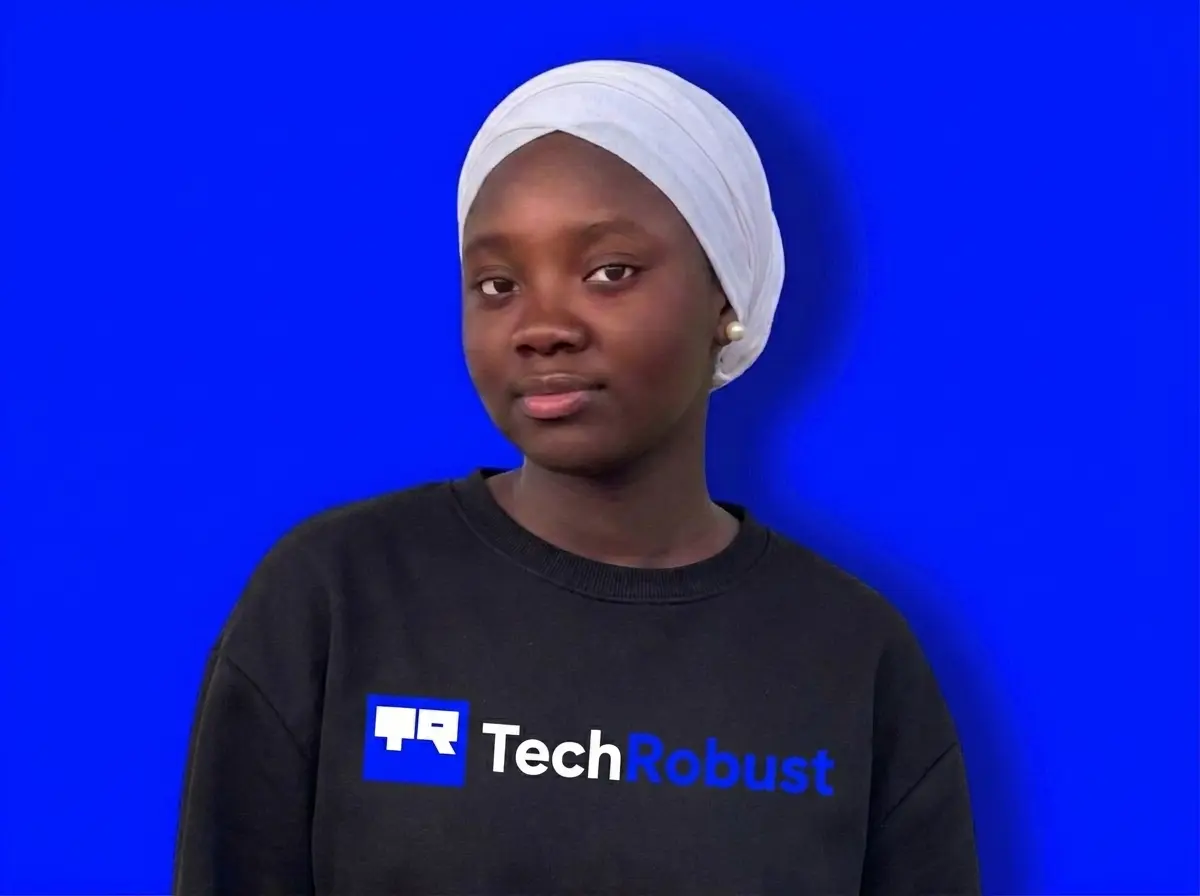
Thariwat is a Staff Writer and Reporter covering tech news and enterprise trends at TechRobust. Blending daily reporting with her ongoing academic background in economics, she analyzes earnings, digital market, and the commercial strategies powering the global tech sector.
Related Stories
Amazon Buys Decart AI Optimization Tech for $7.5B Intuit Agrees to Sell Mailchimp for $3.68B in AI Reset
 US Startup Sues Apple in India Over NameDrop Patent